Glendale, Arizona

Gum Disease Treatment in Glendale, AZ

Periodontal disease is the leading cause of tooth loss in adults -- and most patients don't realize they have it until significant damage has occurred. SmileScience Dental Spa's licensed dental hygienists catch and treat gum disease at every stage, from reversible gingivitis to advanced periodontitis.

Early Stage Gum Disease Is Reversible
SRP Deep Cleaning by Licensed Hygienists
400+ 5-Star Patient Reviews
Written by Richard Dawson, DMD ICOI Fellow Reviewed by John Turke, DMD DMD Updated April 2026
400+ Five-Star Reviews Google & Yelp combined
Comprehensive Periodontal Care Gingivitis, SRP, and maintenance programs
Licensed Dental Hygienists Specialized in periodontal therapy and prevention
Same-Day SRP Available Start treatment at your first appointment

What Is Gum Disease?

Gum disease (periodontal disease) is a bacterial infection of the structures that support your teeth -- the gums, ligaments, and bone. It begins when plaque, a sticky film of bacteria, is not removed consistently and builds up along and below the gumline. Over time, the bacteria trigger an inflammatory response that destroys the tissue and bone holding your teeth in place.

The Silent Nature of the Disease

Periodontal disease is often painless until it reaches advanced stages. Many patients have significant bone loss before they notice any symptoms. This is why routine periodontal charting at every cleaning visit is essential -- it detects changes before they become irreversible.

How Common Is It?

According to the CDC, nearly half of adults over 30 have some form of periodontal disease. Among adults over 65, the prevalence rises to over 70%. It is one of the most common chronic diseases affecting adults -- and one of the most preventable with consistent care and early treatment.

The #1 Cause of Adult Tooth Loss

Periodontal disease -- not cavities -- is the primary reason adults lose teeth. Untreated periodontitis dissolves the bone that anchors your teeth. Once enough bone is lost, teeth become loose and eventually fail. Treating gum disease is one of the most important things you can do to keep your natural teeth for life.

Gingivitis vs. Periodontitis: Know the Difference

Gum disease progresses in stages. The key distinction is whether bone loss has occurred -- because bone loss is permanent. Early intervention is critical.

Stage 1

Gingivitis

Fully Reversible

Gingivitis is inflammation of the gum tissue only -- the bone is still intact. It is caused by plaque buildup along the gumline and is entirely reversible with professional cleaning and improved home care.

  • Gums that bleed when you brush or floss
  • Red, swollen, or tender gum tissue
  • No bone loss present
  • Treated with a thorough professional cleaning
Stage 2

Mild Periodontitis

Bone Loss Begins

When gingivitis is untreated, infection spreads below the gumline and begins destroying the bone and ligaments around teeth. Pocket depths of 4 -- 5 mm indicate early periodontitis. Bone loss at this stage is permanent but progression can be stopped.

  • Persistent bad breath despite brushing
  • Pockets measuring 4 -- 5 mm on charting
  • Treated with scaling and root planing (SRP)
  • Moves to 3 -- 4 month periodontal maintenance
Stage 3 -- 4

Moderate to Severe Periodontitis

Significant Bone Loss

Advanced disease involves deep pockets (6 mm or more), visible gum recession, tooth mobility, and substantial bone loss on X-rays. At this stage, aggressive non-surgical treatment or referral to a periodontist may be indicated.

  • Gum recession and exposed root surfaces
  • Teeth feel loose or have shifted position
  • Pus or chronic infection around teeth
  • Surgical treatment or specialist co-management

Warning Signs of Gum Disease

Many of these signs are easy to dismiss or normalize. Don't. Any one of them warrants a periodontal evaluation.

Bleeding Gums

Gums bleed when you brush or floss. Healthy gums don't bleed -- this is inflammation, not normal sensitivity.

Persistent Bad Breath

Chronic halitosis that doesn't resolve with brushing is often caused by bacterial colonies in deep gum pockets.

Red or Swollen Gums

Healthy gum tissue is firm and pink. Puffy, red, or tender gums indicate active infection and inflammation.

Gum Recession

Your teeth look longer, or a dark line is visible at the gumline. Recession exposes root surfaces and is a sign of bone loss beneath.

Loose or Shifting Teeth

As bone loss advances, teeth lose their support and may feel mobile or look like they have shifted in position.

Pain When Chewing

Discomfort when biting or chewing can indicate infected gum tissue or a tooth with compromised bone support.

Schedule a Periodontal Evaluation

Your Gum Care Is Led by Licensed Dental Hygienists

At SmileScience, all periodontal screenings, deep cleanings, and maintenance therapy are performed by our licensed dental hygienists -- independent clinicians with specialized training in gum disease assessment and non-surgical periodontal treatment.

Our hygienists are not dental assistants. They hold independent state licenses, maintain continuing education requirements, and are trained specifically in the clinical assessment and treatment of periodontal disease. They perform comprehensive periodontal charting at every visit -- measuring pocket depths at six sites per tooth to track disease activity, stability, and response to treatment over time.

When gum disease is present, your hygienist develops a periodontal treatment plan in collaboration with Dr. Dawson or Dr. Turke. For patients with gingivitis, a thorough prophylaxis and improved home care protocol is often enough to reverse the condition. For patients with early to moderate periodontitis, your hygienist performs scaling and root planing (SRP) -- a non-surgical deep cleaning procedure that removes bacterial deposits from below the gumline and smooths root surfaces to promote tissue reattachment.

After active treatment, patients with a history of periodontal disease transition to a periodontal maintenance schedule -- typically every three to four months. Your hygienist monitors pocket depths, removes new deposits before disease reactivates, and adjusts your plan based on how your tissues respond. Consistency at these maintenance visits is what prevents disease from returning.

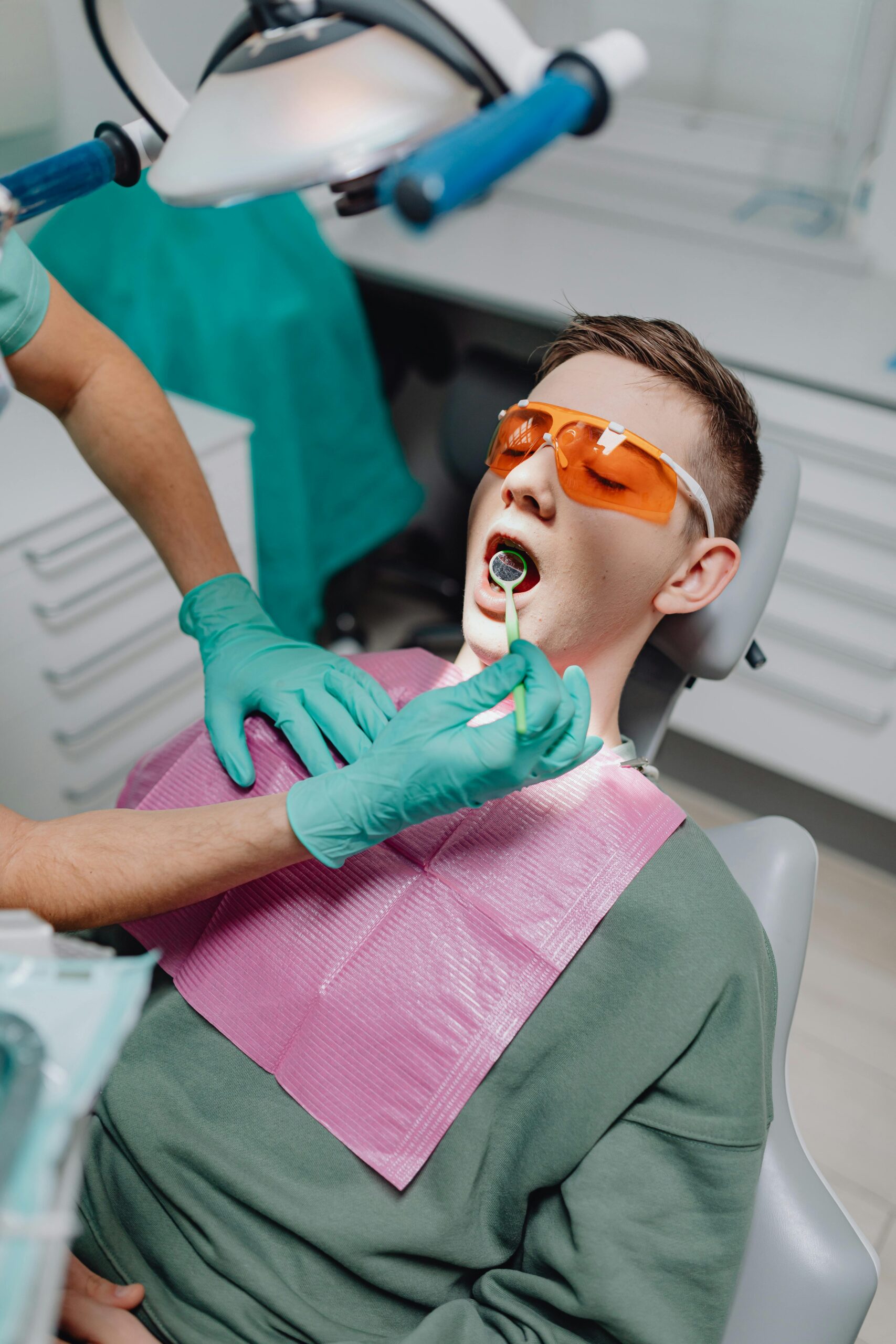
Licensed dental hygienist performing periodontal assessment at SmileScience Dental Spa in Glendale

How We Treat Gum Disease at SmileScience

Treatment depends on the stage of disease. Your hygienist determines the appropriate protocol based on your periodontal charting, X-rays, and clinical findings. Here is how the process works from evaluation to ongoing care.

  1. Your hygienist records pocket depths at six sites per tooth, notes bleeding on probing, recession, furcation involvement, and mobility. Digital X-rays show bone levels at the roots. This data forms your periodontal baseline and determines which level of care you need.

    Comprehensive Periodontal Exam

  2. Treatment Plan Review

    We walk through your findings and explain exactly what we found and what we recommend. For gingivitis, a thorough prophylaxis plus improved home care is often enough. For periodontitis, we outline the SRP protocol -- how many quadrants, whether anesthesia is needed, and the timeline.

  3. SRP is the gold-standard non-surgical treatment for active periodontitis. Your hygienist removes calculus, biofilm, and bacterial toxins from below the gumline and smooths root surfaces so gum tissue can reattach. Performed by quadrant under local anesthesia.

    Scaling and Root Planing (When Indicated)

  4. Healing and Re-Evaluation

    Four to eight weeks after completing SRP, we re-evaluate pocket depths to measure your tissue response. In many patients, pockets reduce by 1 to 2 mm and inflammation resolves significantly. This guides whether additional treatment is needed.

  5. Patients who have completed SRP move to periodontal maintenance -- typically every three to four months rather than six. These visits monitor pocket depth trends and remove new deposits before disease reactivates. Consistency at these visits is what keeps the disease in remission.

    Periodontal Maintenance Program

Gum Disease and Your Overall Health

Research has established associations between chronic periodontal disease and several serious systemic conditions. The mouth is not separate from the rest of your body -- and untreated infection in your gums can have effects beyond your teeth.

Cardiovascular Disease

Clinical studies have found associations between periodontitis and elevated cardiovascular disease risk. Chronic oral inflammation may contribute to systemic inflammatory pathways linked to heart disease.

Diabetes

The relationship between gum disease and diabetes is bidirectional. Diabetes increases susceptibility to periodontal infection, and active periodontitis has been linked to poorer glycemic control. Treating gum disease may improve blood sugar management.

Pregnancy

Periodontal disease has been associated with preterm birth and low birth weight. Pregnant patients with gum disease are encouraged to seek treatment, as non-surgical periodontal therapy is considered safe during pregnancy.

Respiratory Health

Oral bacteria from infected periodontal pockets can be aspirated into the lungs. Studies have linked periodontal disease with increased risk of pneumonia and exacerbation of chronic obstructive pulmonary disease in susceptible patients.

The associations above are based on published clinical research. Periodontal treatment addresses oral infection -- SmileScience does not diagnose or treat systemic conditions. If you have any of the conditions described, please discuss your periodontal health with your physician.

Risk Factors for Periodontal Disease

Some patients are more susceptible to gum disease regardless of how carefully they brush. Knowing your risk factors helps you and your hygienist decide how often you need to be seen and how aggressive your preventive protocol should be.

If any of the risk factors below apply to you, tell your hygienist at your next visit. It directly affects the monitoring schedule we recommend.

  • Tobacco use -- smoking suppresses immune response and masks bleeding symptoms
  • Diabetes -- impaired healing and greater susceptibility to infection
  • Certain medications -- blood pressure drugs, antidepressants, and immunosuppressants can affect gum tissue
  • Genetics -- a family history of tooth loss or gum disease increases susceptibility significantly
  • Chronic stress -- elevated cortisol impairs the immune system's ability to fight periodontal bacteria
  • Dry mouth -- saliva is a natural antibacterial agent; reduced flow accelerates plaque formation

What Does Gum Disease Treatment Cost?

Costs depend on the stage of disease and the extent of treatment needed. The figures below are general market ranges for Glendale, AZ. You will receive a written treatment plan with specific fees before any procedure begins.

Gingivitis Treatment

Included

A standard prophylaxis cleaning. Covered at 100% twice yearly by most PPO dental plans.

Scaling and Root Planing

$200 -- $400

Per quadrant. Most plans cover SRP at 50 -- 80% after deductible.

Periodontal Maintenance

$150 -- $250

Per visit. Many plans cover 3 -- 4 maintenance visits annually for patients with periodontal history.

Insurance and Financing

We verify your dental benefits before your appointment and provide a detailed cost estimate so there are no surprises. For out-of-pocket balances, we offer flexible payment plans through CareCredit, Cherry, and Sunbit. Our SmileScience membership plan also covers preventive care including periodontal maintenance at a fixed monthly rate -- ask us about it at your visit.

Learn About Our Membership Plan

Interactive gum disease assessment

How healthy are your gums?

Walk through the same questions a dentist asks during a periodontal exam — bleeding, recession, mobility, bone loss on X-ray, risk factors. We’ll compare your answers to the five AAP stages of gum disease and tell you when to be seen.

  • 9questions
  • ~2minutes
  • 5AAP stages
  • In-househygienist

Created by Dr. Richard Dawson, DMD · Reviewed by Dr. John Turke, DMD · AAP 2018 staging criteria · No login

Not a diagnosis. Only a dentist can stage gum disease using probing depths, bone levels on X-ray, and a clinical exam. If you have pain, pus, loose teeth, or facial swelling, call (480) 530-3663 now.

Reference

The five AAP stages of gum disease

The 2018 AAP classification replaces "mild/moderate/severe" with four numbered stages plus gingivitis. Each stage is defined by clinical attachment loss, bone levels on X-ray, and tooth mobility. The stage-defining signs are on the left; the description and standard treatment are on the right.

Stage-defining signs

  • Gums bleed occasionally when brushing or flossing
  • Gums look red, puffy, or tender
  • No bone loss on X-ray
  • No measurable attachment loss

Gingivitis

Inflammation limited to the gum tissue with no damage to the underlying bone. Fully reversible with a professional cleaning and improved home care. The most common form of gum disease.

Treated with Professional cleaning and improved home care →

Stage-defining signs

  • Bleeding on brushing or flossing most of the time
  • Up to 2 mm of gum recession from the gumline
  • Early bone loss visible on X-ray
  • No loose teeth

Stage I — Mild Periodontitis

Mild but measurable bone loss (1 to 2 mm attachment loss). Not reversible, but highly controllable with scaling and root planing followed by regular maintenance.

Treated with Scaling and root planing →

Stage-defining signs

  • Consistent bleeding on brushing or flossing
  • 3 to 4 mm of gum recession
  • Moderate bone loss on X-ray
  • No tooth mobility yet

Stage II — Moderate Periodontitis

Moderate bone and attachment loss (3 to 4 mm). Requires deeper cleaning (scaling and root planing) and close monitoring. Without treatment, progression to Stage III is likely.

Treated with Deep cleaning and periodontal maintenance →

Stage-defining signs

  • Significant gum recession (5 mm or more)
  • One or more loose teeth
  • Significant bone loss on X-ray
  • Pus, pain, or abscess around a tooth

Stage III — Severe Periodontitis

Severe bone loss (5 mm or more) with tooth mobility and potential tooth loss. Requires active periodontal therapy — often including surgical intervention. Tooth preservation is the goal, but some teeth may not be salvageable.

Treated with Periodontal surgery and osseous therapy →

Stage-defining signs

  • Multiple loose or shifting teeth
  • Changes in how your bite fits together
  • Teeth have drifted, flared, or spread apart
  • History of multiple tooth loss from gum disease

Stage IV — Very Severe Periodontitis

The most advanced stage: extensive bone loss with masticatory dysfunction (difficulty chewing). Full-mouth rehabilitation combining periodontal surgery, implants, and prosthetic reconstruction is often required.

Treated with Full-mouth periodontal rehabilitation →

Gum Disease FAQs

Gingivitis -- the earliest stage -- is fully reversible with professional cleaning and improved home care. Once periodontitis has caused bone loss, that bone does not regenerate on its own, so the disease cannot be "cured" in the sense of restoring what was lost. However, it can be arrested. With consistent treatment and maintenance, most patients with periodontitis can stop the progression entirely and keep their teeth for life. The goal is control and stability, not reversal.

Scaling and root planing is performed with local anesthesia, so the procedure itself should not be painful. Some patients experience mild soreness or sensitivity for a day or two after treatment, which typically resolves quickly. Ibuprofen is usually sufficient for post-treatment discomfort. If you experience pain that is not improving, contact our office.

Each quadrant of SRP takes approximately 45 -- 60 minutes. Most patients complete treatment in two appointments (two quadrants per visit), though mild cases may be treated in a single visit. We discuss the timeline with you during treatment planning so you can schedule accordingly.

After completing SRP, we re-evaluate your pocket depths at a 4 -- 8 week follow-up appointment. Most patients with periodontitis then move to a periodontal maintenance schedule -- typically every 3 months for the first year, then quarterly or every 4 months long-term depending on how your tissues respond. Every 6 months is not adequate for patients with a periodontal history.

Most PPO dental plans cover scaling and root planing as a periodontal treatment, typically at 50 -- 80% of the fee after your annual deductible. Coverage details vary by plan. We verify your specific benefits before treatment and provide a written estimate. We will not start treatment without your approval of the cost.

Brush twice daily with a soft-bristle brush, reaching just below the gumline at a 45-degree angle. Floss or use an interdental cleaner once daily -- this is the step most people skip, and it is the most critical one for gum health. An electric toothbrush is more effective than a manual brush for most patients. Avoid tobacco in all forms. If you have diabetes or take medications that affect your gums, maintain consistent appointments so we can monitor your periodontal health closely.

The bacteria that cause gum disease can be transmitted through saliva -- primarily through close contact like kissing or sharing utensils. However, transmission does not mean that the recipient will develop disease; susceptibility depends on immune response, genetics, oral hygiene, and other individual factors. If one partner in a household has been treated for periodontal disease, it is reasonable for the other to be screened as well.

Don't Wait Until It Hurts

Gum disease is painless until it has caused serious damage. A periodontal exam at SmileScience takes less than thirty minutes and tells you exactly where you stand. Our licensed dental hygienists are ready to assess, diagnose, and treat -- at whatever stage you're at.