

Understanding Dental Filling Costs
Dental filling costs vary because every cavity and tooth is different. The size of decay, tooth location, number of surfaces, and material all affect the time and supplies needed. When people ask what dental fillings cost, the answer depends on procedure complexity and any added steps, like numbing or replacing an old restoration. Insurance benefits and timing also influence your out-of-pocket total.
Example: A tiny pit caught early often needs less time than a deep multi-surface repair. Larger or harder-to-reach cavities take longer to isolate and restore, which can increase appointment time. Material choice matters too; different materials use distinct techniques and instruments, and some are more technique-sensitive. If you want a deeper dive into materials and uses, you can compare common filling materials.
- Decay size and depth: More surfaces and deeper lesions take more time.
- Tooth location: Molars are harder to access than front teeth.
- Material type: Each material has unique steps and equipment.
- Replacement vs new: Removing an old filling adds work before restoring.
- Comfort options: Numbing, isolation devices, or sedation may add steps.
- Urgency: Emergency visits can change scheduling and workflow.
Because costs reflect time, materials, and clinical complexity, catching decay early often means a smaller, simpler visit. Ask for a written estimate that outlines the planned procedure and any alternatives your dentist is considering. If you need to plan around work or school, view our current hours to find a convenient time. Early care preserves tooth strength and comfort.
Factors Influencing Tooth Filling Price
Several clinical details shape the price of a tooth filling. Preparation complexity, the steps needed to control moisture and bacteria, and the technique for shaping and polishing all affect time and supplies. Imaging, shade matching for front teeth, and any protective layers placed inside deeper cavities can also change the appointment plan.
Before treatment, your dentist may take focused X‑rays or photos to gauge how far decay extends and to plan the safest approach. These images are used only when they change care decisions; you can see why dental X‑rays are used. Anesthesia, tooth isolation, and careful cleaning of softened dentin come next. A cavity near the gumline needs extra drying and shaping.
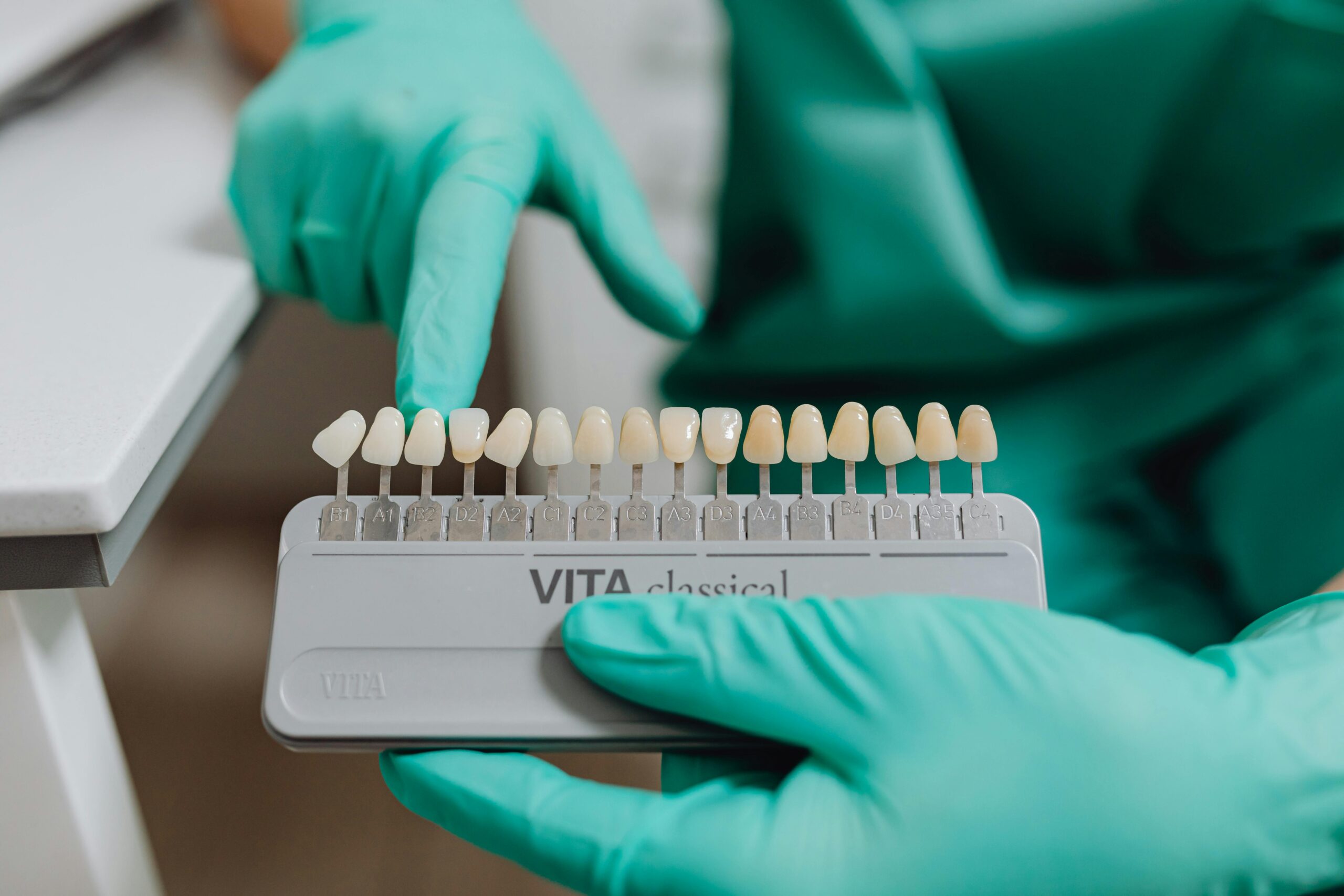
Technique matters. For tooth‑colored fillings, creating a tight contact with the neighbor tooth often requires specialized bands and wedges, which take precision and time. Front teeth typically need shade selection and layering to blend with your smile. If decay is close to the nerve, a protective liner or base may be added before the filling, and that adds steps. Final polishing and adjusting your bite ensure comfort and reduce future wear.
Planning also influences dental fillings cost. Treating several teeth in one visit can be more efficient than multiple separate appointments. Biting patterns, grinding, or chipped edges may require extra contouring so the new filling holds up. Some cases benefit from a brief follow‑up for bite fine‑tuning. Insurance rules, such as material allowances or replacement timing, can change your portion; your written estimate should reflect these specifics. Understanding these factors helps you compare options and choose what fits your goals. When treated early, smaller restorations help preserve tooth strength.
Average Cavity Filling Price Overview
There is no single “average” price for a cavity filling because fees reflect the tooth being treated, the repair required, and local market rates. Most public averages describe a simple, single-surface filling without added procedures. Your total typically mirrors appointment time, materials, and any extra steps your tooth needs, so averages are only a rough guide.
What shapes the number you see on an estimate is how involved the restoration will be and how long it will take. Practices also consider regional operating costs, clinician time, and the technology or isolation methods used during the visit. For instance, a small cavity between molars may need careful isolation and longer chair time. If a cavity is larger than expected after cleaning out decay, the plan can shift to a different type of restoration, which changes the estimate. Very large structural loss may require a crown instead of a filling; you can compare when a crown is used.
Because of this, “average” numbers you see online rarely match an individual mouth. The most accurate way to understand dental fillings cost is to get a tooth-specific evaluation that includes X‑ray review, a documented treatment plan, and a written estimate that lists any optional steps. Bring any insurance details so your estimate reflects plan rules like deductibles or replacement timelines. If you are considering timing or sequencing of care, ask how staging treatments might affect visit length or material choices. Coordinated planning often leads to smoother visits and durable results.
Comparing Composite Filling Cost
Composite fillings are usually priced by how many tooth surfaces are restored and how complex the placement is. Compared with metal fillings, composites can include added steps for adhesion and shade blending, which may influence the fee. Over time, total cost also depends on how long the restoration lasts and whether repairs are needed.
You chipped a back tooth on a popcorn kernel. Composites bond to tooth structure and allow a tooth-colored repair, which can be helpful for front and back teeth. When comparing dental fillings cost, consider not just the appointment but the expected service life. Evidence comparing posterior composite with amalgam shows uncertain differences in failure and secondary decay, so material choice alone does not guarantee longer survival [1]. Because of this, careful diagnosis, moisture control, and bite forces often matter as much as the material itself.
Location and purpose also shape value. Small anterior repairs often focus on esthetics and blending, while larger posterior restorations prioritize strength and contact with neighboring teeth. If a tooth has had a root canal and significant structure is missing, a full-coverage crown is commonly recommended because it improves long-term tooth survival compared with a direct filling [2]. Thinking in terms of lifetime costs, a restoration that better protects a weakened tooth can reduce the risk of early replacement. For small cosmetic edge repairs, our overview of dental bonding explains where a simple fix may be appropriate.
To compare options fairly, ask for a tooth-specific plan that estimates today’s visit and outlines what future maintenance might look like. Discuss habits like clenching, diet, or dry mouth that could affect durability, and ask how those factors influence material and design choices. Clear planning helps you weigh upfront steps against long-term performance. Prompt evaluation supports lasting tooth comfort and function.
Review material choices and a step-by-step plan for your tooth.
Restore strength and a natural look.
Dental Insurance for Fillings Explained
Most dental insurance covers part of the fee for medically necessary fillings, but your portion depends on your plan’s deductible, coinsurance, and annual maximum. Plans also set rules about which materials are covered and how often a filling can be replaced. Because benefits vary by employer and insurer, your estimate reflects your plan’s specific allowances.
You see “posterior composite downgrades” on your benefits summary and wonder what that means. Many plans pay a percentage after you meet a deductible, until you reach an annual cap. In-network offices follow contracted fees, which can lower your share; out-of-network benefits may be different. Some policies apply an alternate benefit, covering a tooth‑colored filling at the level of a metal filling, and you pay the difference if you select the upgraded material. A pre‑treatment estimate can preview how costs split, but the final claim may adjust slightly once the insurer reviews the procedure details.
Timing matters. New plans can have waiting periods before filling coverage starts. Replacement limitations are common, so a recently restored tooth may not be eligible again for a set period unless there is documented failure. Insurers often require supporting X‑rays or photos to confirm the size and location of decay; these images are used to demonstrate medical necessity. If several teeth need care, sequencing can affect how much of your annual maximum you use this year versus next. Preventive services often follow different benefit rules; see why routine checkups matter.
To understand how dental fillings cost will be shared under your plan, bring your insurance card and ask for a benefits‑based, tooth‑specific estimate. Confirm details like deductible status, coinsurance rate, annual maximum remaining, waiting periods, and any alternate benefit clauses. Knowing these terms helps you choose timing and materials that fit your goals and your coverage. Clear information leads to fewer surprises at checkout.
Affordable Fillings: Finding Your Options
Affordable fillings come from matching the treatment to the tooth, then planning the steps efficiently. Ask for a tooth‑by‑tooth estimate that lists choices, from interim care to definitive restorations. When you compare dental fillings cost, include how long each option is expected to last and whether repairs are feasible.
You are weighing two small cavities during a busy month. A practical approach is triage and timing. Treat the higher‑risk tooth first, then group nearby work in one visit to limit extra appointments. Combining needed images with treatment, instead of separate trips, can also streamline care. Clear scheduling reduces lost time and repeat numbing.
Material and method affect value. In areas that stay dry and carry heavy bite forces, a bonded tooth‑colored filling may be preferred. Where moisture control is difficult, a glass ionomer or an interim therapeutic restoration can stabilize the tooth until a long‑term repair is placed. In select cases, a medicament that arrests decay may buy time for children, seniors, or those managing medical issues. Very early pits or grooves that have not broken through can sometimes be sealed; see how sealants work. Ask whether a worn filling can be repaired instead of fully replaced, especially for small edge chips.
Insurance and community resources matter too. A pre‑treatment estimate clarifies your portion and any alternate benefits. Dental schools and public clinics can be good options if your schedule allows longer teaching appointments. If several teeth need care, sequence treatment across the year to fit your benefits and cash flow. Discuss diet, dry mouth, or grinding, since controlling these factors helps fillings last longer and avoids repeated work.
Affordable does not mean cutting corners; it means choosing the right repair, at the right time, with a clear plan. Coordinated care often leads to clearer visits and lasting results.
What to Expect During Your Filling Appointment
At a filling visit, your dentist numbs the area, removes the decay, and places a new restoration that fits your bite. The tooth is shaped and polished, then your bite is checked so chewing feels natural. Before you leave, you get simple care instructions for the next day or two.
You feel a small chip while eating a granola bar. After a brief review of your X‑ray or photo, the area is made comfortable with local anesthetic. The tooth is isolated to keep it dry, then softened decay is removed and the surface is cleaned. If the cavity is deep, a thin protective layer may be placed inside before the filling. Tooth‑colored materials are bonded in steps and light‑hardened; the dentist then sculpts the shape, makes a tight contact with the neighbor tooth, and smooths the surface.
Next, your bite is checked with colored paper. Small adjustments help prevent sore spots and early wear. You can usually eat once the numbness fades; avoid chewing your cheek or tongue while you are numb. Mild temperature sensitivity can occur for a short time and often settles as the tooth recovers. If your jaw feels uneven, or sensitivity lingers beyond a few days, call for a quick bite check. For anxious patients, you can learn about sedation levels that may be appropriate for dental care.
If several teeth need fillings, your dentist may group them by area to minimize extra visits. Visit length and materials used are part of how dental fillings cost is determined, so planning your sequence can help with time and budget. Good home care and regular checkups support the life of your new restoration and reduce the chance of future repairs. Thoughtful planning leads to a smoother visit and a comfortable bite.
Tips for Managing Dental Filling Costs
You can manage filling costs by acting early, planning care, and focusing on prevention. Regular exams catch small problems before they need larger repairs. Ask for a clear, tooth‑specific estimate and discuss reasonable alternatives that match your goals and risk level.
A small cavity is found during a routine checkup. Early treatment usually takes less time than waiting until the tooth breaks or hurts. Good daily care reduces the chance of needing new fillings on other teeth. If you want a refresher on effective routines, see our guide to practical hygiene habits. Simple steps like limiting frequent sugary snacks, using fluoride toothpaste, and sipping water between meals support enamel and help avoid future procedures.
During planning, ask whether a worn or chipped filling can be repaired instead of completely replaced. In areas that are hard to keep dry, talk about materials that tolerate moisture so you are less likely to need a redo. If decay is very early or your schedule is tight, an interim protective treatment can stabilize the spot until you are ready for a definitive filling. For people who clench or grind, a night guard can protect new restorations from chipping, which helps you avoid repeat visits.
Clarify how visits will be sequenced so time in the chair and numbing are used efficiently. Confirm what is included in the visit, such as bite checks or a short follow‑up if sensitivity lasts. If you use an HSA or FSA, plan contributions and timing so eligible expenses are reimbursed smoothly. Bring your insurance details to your exam, then choose a timeline that respects both your health and your benefits. Small, timely steps protect your smile and your budget.
Frequently Asked Questions
Here are quick answers to common questions people have about Dental Filling Costs Explained in Glendale, AZ.
- What factors affect the price of a dental filling?
The price of a dental filling is influenced by several factors, including the size and depth of the decay, the tooth’s location, and the type of material chosen. Larger fillings or those in difficult-to-reach areas, like molars, often require more time and resources. Additionally, different materials have various installation processes, which can affect costs. Procedures that involve replacing an old filling or using extra comfort options, like numbing, can also increase the overall expense.
- How does dental insurance typically cover fillings?
Most dental insurance plans cover parts of the filling costs, but the exact coverage depends on your plan. Plans usually have a deductible and a maximum coverage limit per year. The coverage may also vary based on whether the dentist is in-network or out-of-network. Certain materials might not be covered fully, with plans sometimes applying a downgrade policy, covering only the equivalent cost of a cheaper material. Check your plan details to understand your cost.
- Can early detection influence the cost of dental fillings?
Yes, early detection of cavities can significantly reduce the cost of dental fillings. Smaller cavities often require less time and resources to fill, making them less expensive to treat. By catching decay in its initial stages, you avoid the possibility of more complex and costly procedures required for larger, deeper cavities. Regular dental checkups and good oral hygiene practices are essential in spotting issues early and managing costs.
- What should I expect during a filling appointment?
During a filling appointment, the dentist will numb the area to keep you comfortable, remove decay from the tooth, and place the filling material. The process involves cleaning the cavity, shaping the material to fit your tooth, and polishing it for a natural feel. Finally, the dentist checks your bite to ensure the filling feels right. It’s a routine procedure designed to restore tooth function and prevent future decay.
- Are there ways to make dental fillings more affordable?
Making dental fillings more affordable involves planning and prevention. Treat cavities early to avoid extensive work. Group multiple fillings into one visit to save on extra appointments and anesthesia. Choose materials wisely, considering both cost and durability, and discuss alternative treatment plans with your dentist. Using dental insurance effectively also helps manage out-of-pocket costs. Regular checkups help in addressing cavities early and maintaining overall oral health.
- Why does tooth location impact filling cost?
The location of a tooth can significantly impact the cost of a filling. Molars, which are located at the back of the mouth, are more difficult to access and often require more time and precision to treat. This increased complexity can result in a higher cost compared to fillings for front teeth, which are generally easier to reach and handle. Understanding this can help you plan for potential costs associated with molar fillings.
- How can planning visits help manage dental filling costs?
Planning visits efficiently helps manage dental filling costs by reducing redundancy in appointments and anesthesia use. If you have multiple cavities, addressing them in one session can save time and money. Scheduling visits according to your peak insurance benefits or dental plan can also help maximize your coverage while minimizing out-of-pocket expenses. Thoughtful scheduling and treatment sequencing can lead to fewer visits and better financial management.
References
- [1] Direct composite resin fillings versus amalgam fillings for permanent posterior teeth. (2021) — PubMed:34387873 / DOI: 10.1002/14651858.CD005620.pub3
- [2] Single crowns versus conventional fillings for the restoration of root-filled teeth. (2015) — PubMed:26403154 / DOI: 10.1002/14651858.CD009109.pub3