
Understanding the Dental Checkup
A dental checkup is a routine visit where your dentist and hygienist assess your mouth, prevent problems, and plan care. It typically includes a health update, a full mouth examination, gum evaluation, and screening for early signs of oral cancer. X‑rays are taken only when clinically needed. Most visits also include a professional cleaning to remove plaque and tartar.
Because every mouth is different, your appointment steps may vary slightly. If you are planning your visit, you can confirm our current hours. Here is the usual flow:
- Medical and dental history review, including medications and concerns
- Gum health check with gentle measurements around each tooth
- Tooth-by-tooth exam for decay, cracks, and existing restorations
- Screening of cheeks, tongue, palate, and throat for oral cancer
- Bite and jaw function assessment, noting wear or clenching signs
- X‑rays or photos if indicated to see areas not visible clinically
- Professional cleaning to remove tartar and polish teeth
You sit down, and the hygienist reviews your health changes. Sharing updates like new medications, dry mouth, pregnancy, or dental sensitivity helps tailor your care. Expect practical guidance on brushing, flossing, and home tools that fit your needs. If you are curious about the cleaning portion, see what a professional cleaning involves. Follow-up plans may include fluoride, sealants for deep grooves, or monitoring specific teeth. X‑rays are scheduled based on your cavity and gum risk rather than a fixed timetable. Clear communication during the visit helps prevent small issues from becoming bigger ones. Joint care between dental and medical teams helps sustain long-term wellness.
The Importance of Regular Checkups
Regular dental checkups help catch small problems early, protect your gums, and keep teeth functioning well. These visits also personalize your care to your current risk, so you get the right help at the right time. Over months, things can change in your mouth; steady monitoring keeps you on track.
Cavities and gum disease often start quietly. A small cavity is found before it hurts. Plaque can harden into tartar, irritate the gums, and lead to bone loss if it is not removed professionally. Checkups interrupt this cycle and track changes, like new wear from clenching or a cracked filling that needs attention. Because of this, steady visits reduce surprises and help you avoid more complex treatment later.
Medical shifts can raise your risk, including dry mouth from medications, diabetes, pregnancy, or tobacco use. Regular exams adjust your home-care plan and in-office care when those risks appear. They also include an oral cancer screening and a quick look at your bite and jaw comfort, which can reveal early issues long before pain shows up. If bleeding or tenderness is showing up at home, it is a sign to tighten the visit interval. For context, learn more about how gum disease progresses.
Everyone’s recall schedule is different. Some people do well on twice-yearly visits; others benefit from three or four cleanings per year, especially during orthodontic treatment, after gum therapy, or when dry mouth is present. Consistent checkups keep your smile stable and make daily care simpler. Coordinated care often leads to clearer days and calmer nights.
What Happens During a Dental Exam
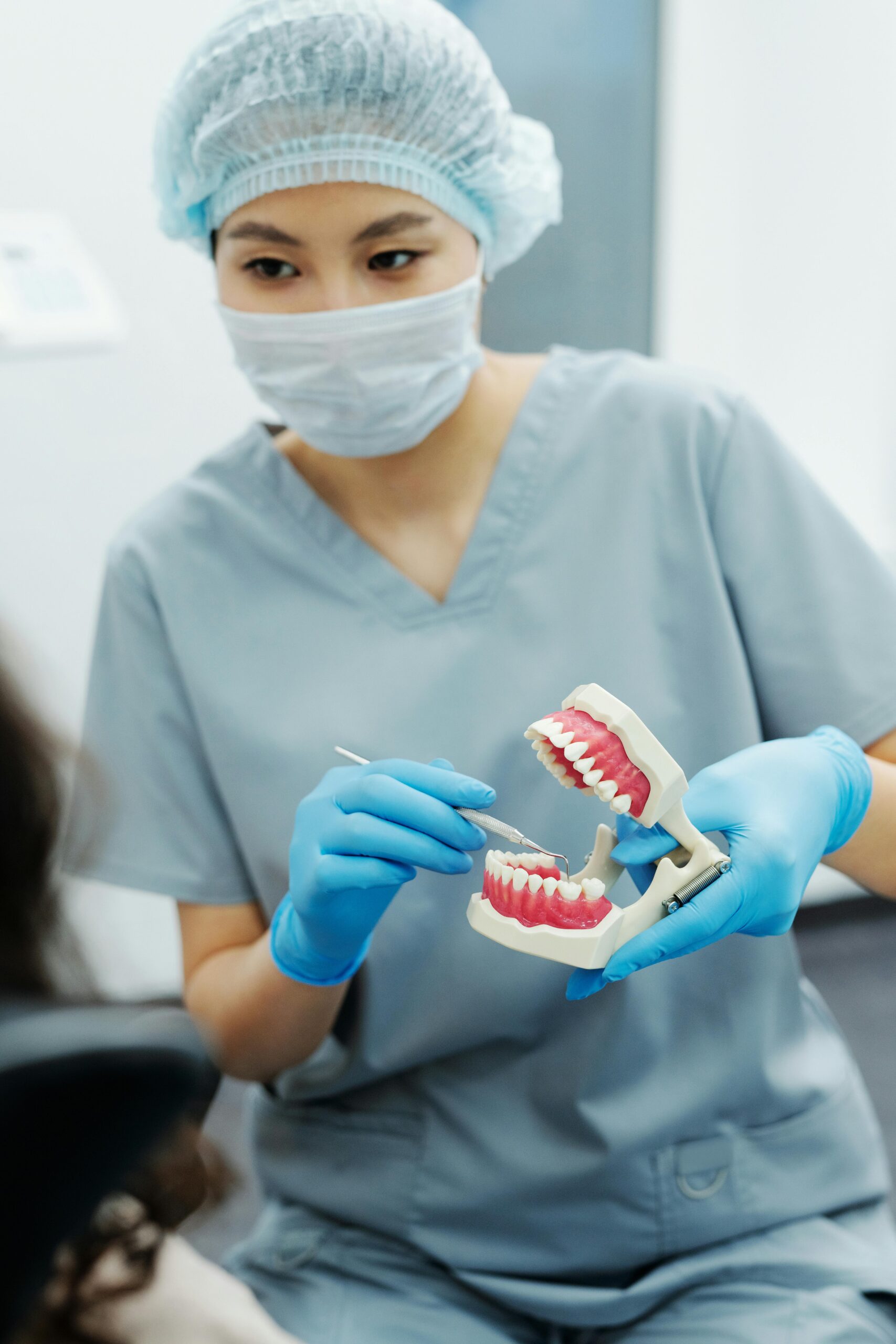
A dental exam is a focused check of your teeth, gums, soft tissues, bite, and jaw joints. The hygienist gathers measurements and photos as needed, and the dentist evaluates each area to spot early changes. Together, they explain findings and outline next steps that fit your needs.
You mention cold sensitivity on a molar today. The hygienist starts by charting your gum health with a small measuring probe and noting any bleeding or plaque-heavy spots. Next, the dentist inspects each tooth surface for soft areas, worn edges, or hairline cracks, and checks older fillings and crowns for loosened margins. Your bite is assessed with colored paper to see how teeth meet and whether clenching or grinding is leaving patterns of wear. Jaw joints are gently palpated while you open and close to note clicks or tenderness.
Soft-tissue screening is systematic. The lips, cheeks, tongue, floor of mouth, and palate are viewed and lightly palpated. The sides and underside of the tongue are dried with gauze for a clearer look. The neck is checked for enlarged nodes. This brief exam is designed to catch changes early; if you want more background, see how to recognize common oral cancer signs.
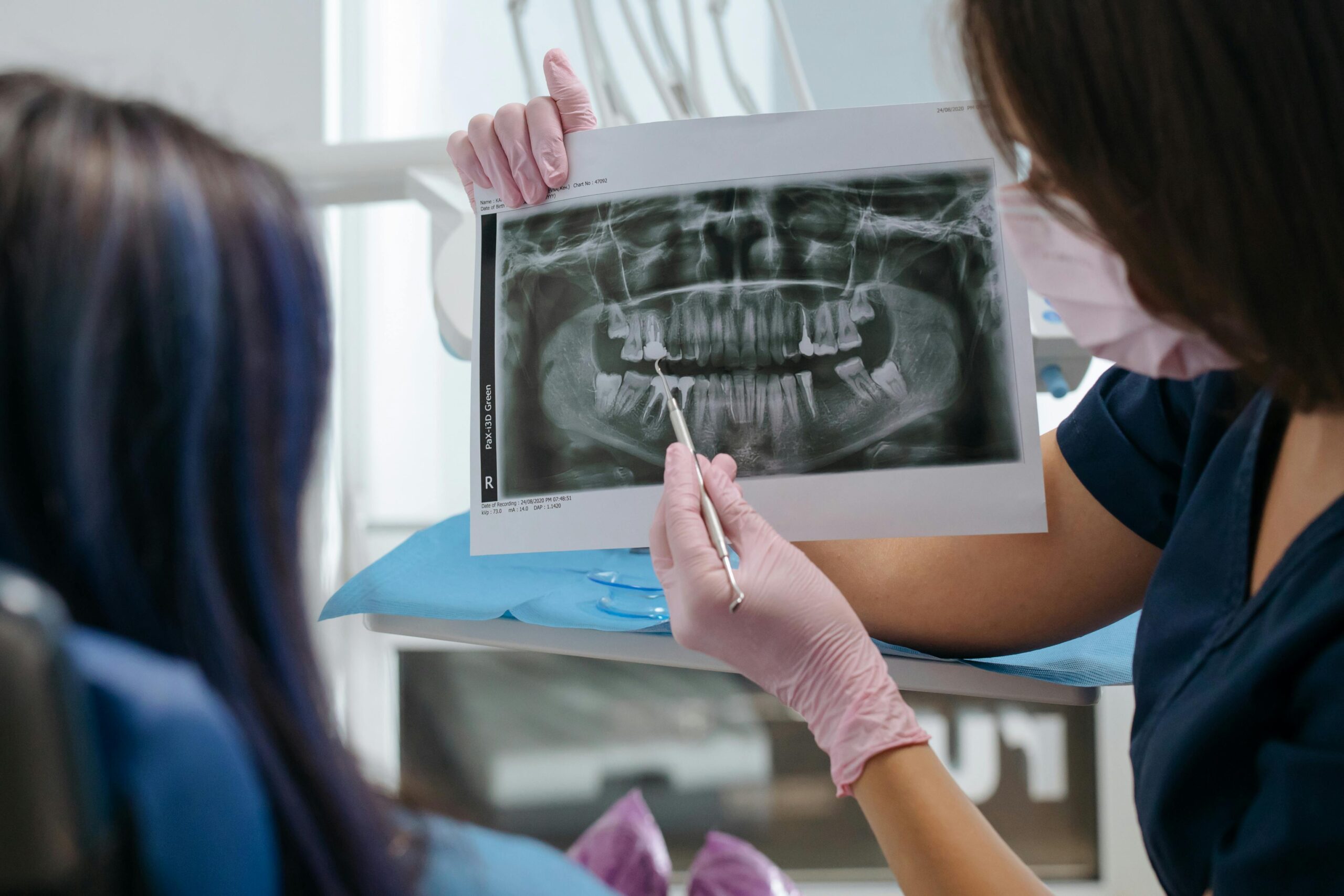
Images support what the eyes cannot see. Bitewing X-rays can reveal cavities between teeth and tartar under the gums. Periapical images show roots and bone around one tooth, while panoramic or 3D scans are reserved for specific concerns. Intraoral photos help you understand cracks, wear, and inflamed areas in real time. Medical updates also guide care, since dry mouth, reflux, pregnancy, or new medicines can change your risk and your home routine.
The visit ends with a clear summary, home-care coaching, and a plan for cleaning or treatment if needed. A dental checkup like this keeps small issues manageable and your next steps simple. Prompt evaluation supports lasting oral health.
How Often Should You Schedule Checkups?
Most people do well with a dental checkup and cleaning about every six months. If you have higher risk for cavities or gum disease, visits every three to four months can help. Your ideal schedule depends on your current oral health, daily habits, and medical factors.
Risk can change over time. A history of recent cavities, gum inflammation, or heavy tartar usually points to shorter intervals. Orthodontic aligners or braces, many fillings or crowns, and partial dentures also raise plaque retention. You started a reflux medication and notice a dry mouth. Dry mouth from medicines, diabetes, pregnancy, and tobacco or vaping increases decay risk, so closer monitoring makes sense. Between visits, consistent home care matters; see our guide to practical hygiene routines for support.
If you have treated gum disease, supportive periodontal care is typically scheduled more often at first, then adjusted as bleeding and pocket depths improve. People who clench or grind may benefit from shorter intervals while a night guard or habit coaching is getting traction. Kids and teens may need tighter recall during orthodontics or growth spurts, especially if new molars or snacks increase cavity risk. Athletes using sports drinks, or anyone sipping acidic beverages often, may also benefit from extra check-ins.
There is no single rule that fits everyone. At each visit, we reassess your cavity risk, gum health, and lifestyle changes, then set the next recall accordingly. Tell us about new medications, stress, or diet shifts, and we will tailor the cadence so small issues stay small. Prompt evaluation supports healthy teeth and gums.
The 6 Month Checkup Routine
A six‑month checkup keeps small issues from growing and helps your home care stay effective. In this visit, we review changes, clean away buildup, and track trends in your gums and teeth. If risks shift, we adjust your plan. It is a simple rhythm that supports lasting oral health.
You finish lunch and notice floss catching between two molars. At the appointment, we start with updates on medications, comfort, and habits. Then we remove plaque and tartar, polish stains, and note any areas that bleed or trap food. We compare today’s measurements with prior visits to spot patterns, like early gum inflammation or new wear from clenching. If sensitivity is creeping in, we may apply a desensitizer or recommend small changes to your routine.
Between visits, the focus is consistency. Brushing technique, flossing, and the tools you use can make the next cleaning easier. If you want a quick refresher, see our overview of how and why flossing matters. We also review acidity and snacking habits, since frequent sugars or sports drinks can tip the balance toward decay. For children and teens, we check permanent molars for deep grooves and discuss sealants when appropriate.
Imaging is taken only when indicated, so timing is personalized rather than fixed. Night guards or retainers are checked for fit and wear, and simple bite adjustments can be made if a high spot appears after a recent filling. We confirm that any home rinses, pastes, or fluoride use match your current risk. If your risk rises, the six‑month pattern can shift to a shorter interval until things stabilize.
Think of this visit as maintenance that keeps treatment minimal. A routine dental checkup helps you catch changes early, stay comfortable, and keep daily care on track. When found early, small issues stay simple to fix.
What to Expect During a Preventive Visit
A preventive visit focuses on keeping your mouth healthy, not just fixing problems. We review your health and habits, check your risk for cavities and gum disease, and clean away buildup you cannot remove at home. When helpful, we apply protective treatments and tailor your home routine so it fits your needs. You leave with a simple, personal plan.
Your child’s new molars have deep grooves and a sweet snack habit. In visits like this, we look at saliva flow, diet patterns, and areas that trap plaque. Risk guides care. For example, fluoride varnish helps strengthen enamel when acid exposure or dry mouth is present. Sealants flow into the tiny pits on chewing surfaces to block bacteria and food from settling there. If you clench or grind, we note wear patterns and suggest steps that reduce stress on teeth.
Comfort matters. We scale away tartar carefully, then polish to smooth the tooth surface so plaque reattaches more slowly. You will hear what we see in plain language, with quick demonstrations for brushing and cleaning between teeth. If sensitivity or bleeding shows up, we address it during the visit and map out what to change at home. Small adjustments, like switching brush technique or spacing snacks, can make a noticeable difference by the next appointment.
Imaging is done only when it adds value for your current risk, so timing is personalized. We also review mouth dryness, medications, and reflux or snoring history because these affect cavity and gum risk. When grooves are especially deep, we may recommend reading more about how dental sealants work. Before you go, we confirm your recall interval and note any focus areas to watch.
A preventive visit keeps your routine clear and your smile steady between appointments. When prevention leads, fewer surprises follow.
Difference Between Recall Exam and Comprehensive Exam
A recall exam is a periodic visit to monitor and maintain your oral health. A comprehensive exam is a longer, first-time or after-a-gap evaluation that documents your entire mouth and creates a full treatment plan. Both check teeth, gums, and soft tissues, but the scope, records, and time involved differ.
You moved, and it has been years since your last visit. A recall exam, often paired with a cleaning, reviews changes since your last dental checkup, updates your medical history, and looks for early signs of decay or gum inflammation. Imaging is limited to what is needed that day, such as bitewing X-rays to check between teeth. The goal is maintenance and early detection so small issues stay small.
A comprehensive exam builds a complete baseline. We chart every tooth and restoration, measure gum health around each tooth, and record your bite and jaw function. Photos are taken to document wear, cracks, and tissue changes. When indicated, a full-mouth X-ray series or a panoramic image is used to assess roots and bone. If jaw clicking, soreness, or morning headaches are present, we take a closer look at your joints and muscles; for background, see our overview of TMJ disorder causes and care. These records help us explain findings clearly and set a stepwise plan.
Which exam do you need today? If you are new to our office, have not seen a dentist in several years, or have multiple concerns, a comprehensive exam gives us the full picture and a clear roadmap. If you visit regularly and things are stable, a recall exam keeps you on track and adjusts care as risks change. Choosing the right exam means your time is well spent, and your plan fits your needs. When small changes are tracked early, treatment stays simpler.
Benefits of a Thorough Dental Checkup
A thorough dental checkup delivers more than a quick look. It provides a clear picture of your teeth, gums, bite, and soft tissues so small changes are found early and care is tailored. This level of detail helps prevent emergencies, preserve tooth structure, and keep future treatment simpler.
You feel fine, yet a silent gum pocket deepened since last year. Trend tracking is a major benefit. Comparing today’s measurements and photos to prior visits reveals patterns you cannot feel, like early gum inflammation, enamel erosion from acid, or a filling edge starting to leak. Targeted X‑rays, taken only when useful, can uncover between‑tooth decay or root changes before pain starts. Early insight means smaller fixes, fewer surprises, and shorter appointments.
Checkups also reduce risk by personalizing prevention. Dry mouth, new medications, or frequent snacking shift cavity risk; your plan is adjusted so home care and in‑office steps match your current needs. If gums bleed, we address the cause and map out practical steps, and you can explore more on why gums bleed and how to calm it. Screening of the lips, tongue, and cheeks adds another layer of safety by flagging unusual spots early for prompt follow‑up. Across visits, documentation builds a baseline that guides timely care.
Function matters too. Assessing how your teeth meet can reveal clenching or early fracture lines, allowing protective steps that help prevent cracked teeth and jaw soreness. Sensitivity, food trapping, or edge wear are easier to solve when seen at the first sign. In short, a complete exam turns today’s findings into a clear, stepwise plan that keeps your mouth comfortable and stable.
Seen this way, a detailed checkup is preventive, practical, and personal. When treated early, small problems stay simple.
Frequently Asked Questions
Here are quick answers to common questions people have about Dental Checkups: Why They Matter in Glendale, AZ.
- What should I do if I experience sensitivity after a checkup?
If you experience tooth sensitivity after a dental checkup, it’s often due to the cleaning process, which can temporarily expose sensitive layers of your teeth. Sensitivity should fade within a few days. To help manage it, use toothpaste for sensitive teeth, avoid very hot or cold foods and drinks, and continue gentle brushing and flossing. If sensitivity persists or worsens, contact your dentist for advice.
- Why don’t I feel any pain if I have a cavity?
Cavities start small and often don’t cause pain until they become larger and affect deeper layers of your tooth. Regular dental checkups catch these early stages before you feel discomfort. If a dentist spots a cavity, treating it promptly with a filling can prevent further decay and pain. Keeping routine visits and practicing good oral hygiene helps you avoid painful surprises.
- Can children get regular dental checkups too?
Yes, children should have regular dental checkups. These visits help monitor the development of their teeth and provide professional cleaning to prevent cavities. Dentists can also apply sealants and fluoride treatments to protect young teeth. Starting early helps kids learn the importance of dental health and keeps their smiles healthy as they grow.
- Are dental X-rays safe?
Dental X-rays use very low levels of radiation and are considered safe. They are only taken when needed to view areas of your teeth and gums that cannot be seen during a clinical exam. Your dentist will always weigh the benefits of taking an X-ray against any minimal risk, ensuring your safety and the best care possible.
- What is the role of professional cleaning during a checkup?
Professional cleaning removes plaque and tartar that regular brushing and flossing may miss. This helps prevent cavities and gum disease, and keeps your smile bright. During the process, your hygienist will polish your teeth, making it harder for plaque to stick. They also provide personalized advice on how to maintain oral hygiene at home.
- How do dental checkups help with overall health?
Dental checkups contribute to overall health by catching early signs of oral diseases, which can impact the rest of your body. Regular visits allow for the early detection of conditions like oral cancer, and managing gum disease can reduce risks for other health issues such as heart disease. Coordination between dental and medical care ensures comprehensive health management.
- What is gum evaluation during a checkup?
Gum evaluation during a dental checkup involves measuring the space between your teeth and gums, checking for bleeding, and assessing gum health. These steps help identify early signs of gum disease, allowing for timely treatment. Keeping gums healthy reduces the risk of tooth loss and supports a stable, healthy mouth.
- Why is updating medical history important at dental visits?
Updating your medical history lets the dental team understand any health changes that might affect your oral health. Conditions like diabetes or medications causing dry mouth can increase your risk of cavities or gum disease, so tailoring your care is essential. This information ensures you receive preventive advice and treatments that suit your current needs.