

Understanding the Cavity Filling Procedure
A filling restores a tooth after decay is removed. Your dentist cleans out the cavity, disinfects the area, and places a durable material to rebuild the tooth’s shape and function. This cavity filling procedure helps stop decay from spreading and can ease sensitivity.
You feel a quick zing when sipping cold water.
Here is what typically happens during a visit:
- Assessment: The tooth is examined, and an X‑ray may be taken to gauge cavity depth.
- Numbing: Local anesthetic is used so you stay comfortable.
- Isolation: The tooth is kept dry with cotton, suction, or a rubber dam.
- Decay removal: Soft, decayed tooth structure is gently removed and the area is shaped.
- Tooth preparation: The surface is cleaned; a liner or base may be added for deep spots.
- Placement: Tooth-colored composite, or another appropriate material, is placed in layers.
- Curing and shaping: Each layer is light‑hardened, then the tooth is shaped and polished.
- Bite check: Paper marks high spots so your bite can be adjusted for comfort.
Because teeth are unique, your dentist chooses techniques and materials that fit the cavity’s size and location. Adhesive steps help the filling bond to enamel and dentin. A careful bite adjustment reduces pressure points that can cause lingering tenderness. If floss snags or your bite feels off later, a simple touch‑up visit usually solves it.
After the appointment, avoid chewing until the numbness fades to prevent biting your cheek or tongue. Mild sensitivity to cold or pressure can be normal for several days and should steadily improve. Larger cavities sometimes need additional support, such as an inlay, onlay, or crown; your dentist will explain why if that applies. For a deeper dive into materials and uses, see our guide to compare common filling materials. For logistics like weekend or evening availability, check our current hours.
Prompt treatment helps preserve tooth strength and comfort.
The Cavity Filling Process Overview
A filling restores the tooth after decay is carefully cleared away. The dentist keeps the area dry, bonds a restorative material to the tooth, hardens it with light, then shapes it for a natural feel. In short, the cavity filling procedure rebuilds strength, seals out bacteria, and supports comfortable chewing.
You notice a small spot that traps food at dinner. To treat it, the tooth is isolated so moisture does not weaken the bond. Enamel is conditioned to create tiny pores, and a primer helps the material attach to dentin. The filling is placed in small portions and light-cured, which helps control shrinkage and improves the fit. Finally, surfaces are smoothed so plaque is less likely to collect, and the dentist confirms your teeth meet evenly for a balanced bite.
Depth matters. If decay is close to the nerve, a protective layer may be placed first to calm the tooth and support healing. Sometimes a temporary material is used, then replaced after the tooth settles, which helps avoid unnecessary root canal therapy. Comfort is a priority, and local anesthetic can be tailored with techniques like topical gel or buffering to make numbing more pleasant. Before treatment begins, imaging helps map the size and location of decay; see why this step matters in our overview of dental X-rays and safety.
After a well-fitted filling, the tooth should feel smooth, and floss should glide without fraying. If you notice a sharp edge or your bite feels uneven later, a quick adjustment visit typically restores comfort. When treated early, small fillings protect tooth strength and comfort.
Steps Involved in Drilling and Filling
The dentist numbs the tooth, removes decayed tissue, cleans the area, and rebuilds it with a bonded material. The surface is shaped and polished so it feels natural and seals well. In short, the cavity is cleared, the tooth is restored, and comfort and function are brought back. This is the core of the cavity filling procedure.
You hear the handpiece and feel gentle pressure, not pain. First, the dentist gains access with a water‑cooled bur to prevent heat. Decay is identified by texture and color, sometimes confirmed with a dye, then removed while preserving healthy enamel and dentin. If the cavity is deep, a protective liner may be placed over dentin near the nerve to soothe the tooth and support future comfort.
Keeping the field dry is critical, so cotton rolls, suction, or a rubber dam control moisture. When a side wall is involved, a thin matrix band and a small wedge help create proper contact with the neighboring tooth. The tooth surface is then conditioned so adhesive can penetrate and bond. The restorative material is adapted into the prepared area and light‑hardened for strength. Edges are finished to a smooth margin to reduce plaque retention and staining. Finally, your bite is verified so closing feels even without a “high spot.”
Right after polishing, the restoration should feel smooth and easy to floss. Brief cold sensitivity can happen, especially with larger cavities, and usually eases as the tooth settles. If dental anxiety makes treatment difficult, you can understand sedation levels and discuss options at your next visit. Well‑sequenced steps help the filling last and your tooth feel normal again.
Numbing for Filling: What to Expect
Most fillings are done with local anesthesia so the tooth and nearby tissue feel numb and comfortable. You may feel pressure or vibration during the cavity filling procedure, but you should not feel sharp pain. Numbness usually spreads within minutes and fades over the next few hours. You feel your lip swell slightly, but the tooth stays quiet.
What you feel depends on where the tooth is. Upper teeth are often numbed with small injections near the tooth, so numbness stays local. Lower back teeth may need a nerve block, which can make half the lip and part of the tongue numb. A brief “heart race” or shaky feeling can happen if a vasoconstrictor is used; it passes quickly. Tell your dentist if you have sensitivities, thyroid concerns, or heart conditions so they can adjust the plan.
Numbness builds gradually, and your dentist will test the area before starting. If anything feels sharp, say so; more anesthetic or a different technique can be used. Inflammation, active infection, or anxiety can slow numbing, so extra time and tailored methods help. If comfort is a worry, you can also learn how comfortable care works and discuss options before treatment.
While numb, protect your cheek and tongue by moving them away from your teeth, and take small sips to avoid drooling. Choose cool or room‑temperature drinks to prevent accidental burns. Help children avoid biting their lip until feeling returns. If numbness lasts much longer than expected or you notice unusual tingling, contact the office for guidance. When care feels predictable and calm, follow‑through is easier and outcomes improve.
Review material choices and a step-by-step plan for your tooth.
Restore strength and a natural look.
Choosing the Right Composite Filling
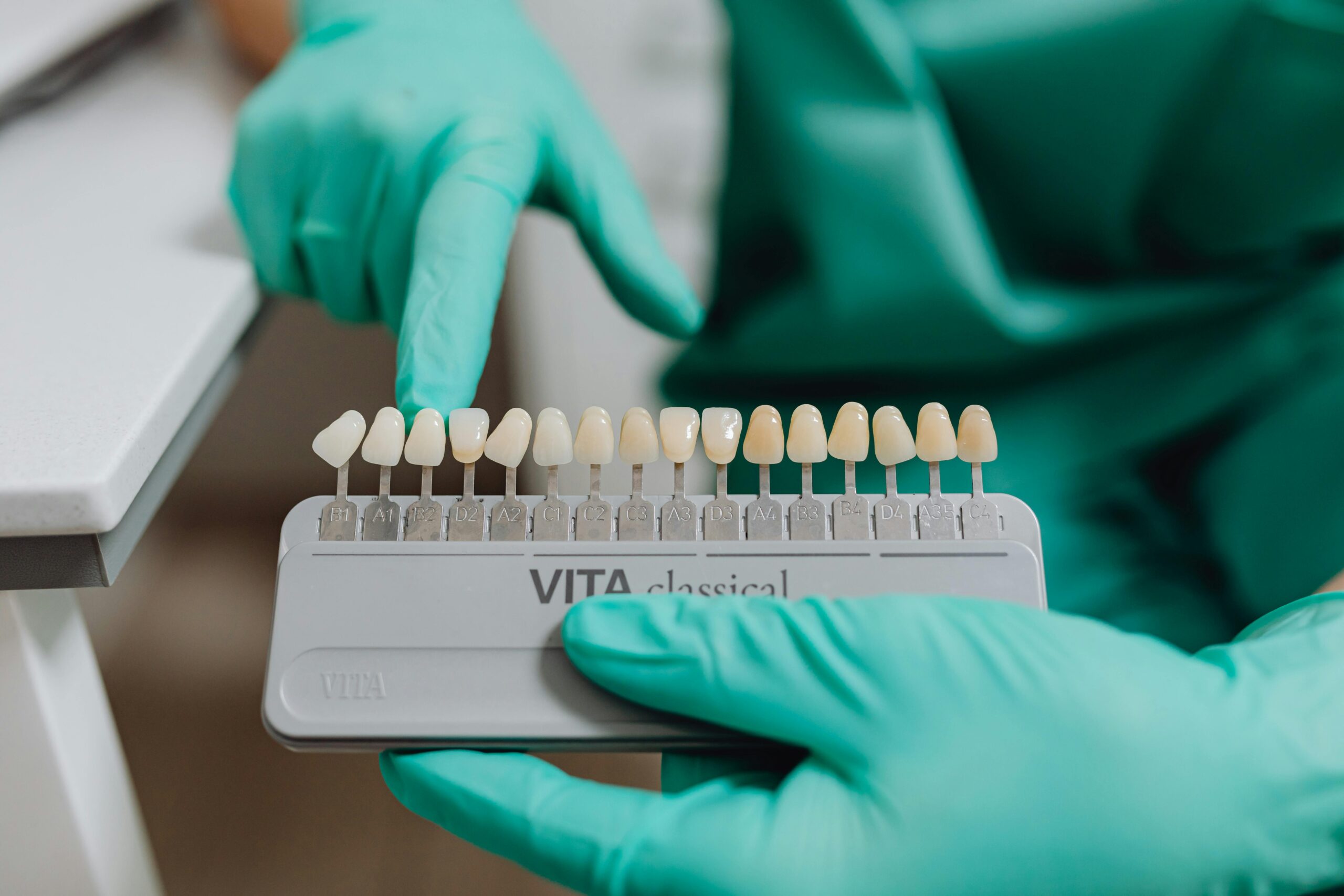
The best composite filling is chosen based on where the cavity is, how big it is, how your teeth bite together, and how the tooth should look. Your dentist selects the viscosity, filler blend, and shade to balance strength, wear resistance, and a natural match. The goal is a sealed, durable restoration that blends with your smile and functions comfortably.
You grind at night and have a small molar cavity. For front teeth, a polishable composite that mimics translucency helps the repair disappear in photos. In back teeth, materials that resist wear and hold shape under chewing forces are prioritized. Along edges you can see, an enamel bevel can hide the junction, while in areas near the gums, a flexible, low-shrink choice helps reduce gap formation. Because every tooth and bite is different, the material formula and placement technique are tailored to the clinical details.
Handling matters too. Flowable composites adapt well into tiny grooves, then a stronger layer can be placed on top where you chew. In medium or larger cavities, layering controls shrinkage, while certain “bulk-fill” options allow thicker placement when appropriate during the cavity filling procedure. Shade selection considers your baseline tooth color and how light passes through your enamel. Radiopaque materials are usually preferred so future X-rays can clearly distinguish filling from tooth.
Your habits and health also guide choices. Frequent snacking or dry mouth raises future decay risk, so smooth margins and easy-to-clean contours are essential. If you clench or grind, reinforcing contacts and considering a night guard can protect the restoration. After polishing, regular brushing and flossing, plus routine checkups, help the filling stay stain-resistant and comfortable. If budget planning is part of your decision, you can understand filling cost factors before your visit.
With a clear plan and materials matched to the tooth, composite fillings can look natural and feel reliable day to day.
Detailed Composite Filling Steps
A composite filling is placed with a careful sequence so it bonds well and looks natural. The dentist first prepares and cleans the tooth, then uses a bonding system so the material sticks to enamel and dentin. Composite is added in shaped layers, light-cured for strength, and polished for a smooth, easy-to-clean surface. These steps make the cavity filling procedure durable and comfortable.
You notice a small shadow near the gumline. Before placement, the dentist selects a shade in natural light to blend with your tooth. Enamel edges may be gently beveled so the transition disappears after polishing. Many clinicians use “selective etching,” which treats enamel for a short time with gel, then applies a primer and adhesive to the dentin. This approach helps create a strong seal while keeping the deeper tooth layers comfortable.
Next, the adhesive is light-cured from several angles so it fully sets. Composite is then adapted in small portions, shaping anatomy as it builds. Short curing cycles follow each layer to support a tight fit and reduce internal stress. For front teeth, thin clear strips guide the contour so the edge looks crisp. For back teeth, careful shaping recreates the grooves that help food move when you chew. A brief surface cure through a glycerin gel can remove the sticky oxygen-inhibited layer before final finishing.
Finishing tools refine the shape, then fine discs, cups, and paste bring the surface to a high polish. Smooth margins help the filling resist stain and allow floss to glide without fraying. After the light marks your bite, any “high spot” is adjusted so closing feels even. Mild cold sensitivity can occur for a few days and should fade. To protect your new work and reduce future decay risk, see our guide to proven cavity prevention. Thoughtful technique supports a smooth result you can trust daily.
Aftercare: Post Filling Care Tips
Care after a filling focuses on comfort, clean edges, and a balanced bite. Start gentle brushing and flossing the same day to keep the new margin free of plaque. If your bite feels high or one tooth taps first after numbness fades, call for a quick adjustment. These steps help you settle in smoothly after the cavity filling procedure.
That evening, a seed feels stuck near the new filling. Floss carefully; slide in, hug the tooth, and pull the floss out through the side rather than snapping up. If floss shreds or catches repeatedly, the contact may need polishing. A warm saltwater rinse can soothe any tender gum where a clamp or wedge pressed during treatment. For brief sensitivity, a desensitizing toothpaste used twice daily can help; you can also rub a pea-sized amount on the area before bed and spit, do not rinse.
Protect the restoration while it settles. Skip very sticky candies and avoid cracking hard foods on that tooth for the first day. Test your bite by gently tapping teeth together; even contact is the goal. Soreness often responds to over‑the‑counter anti‑inflammatory medicine as directed by your physician; do not place aspirin on the gum. If you clench or grind, new fillings can wear early or feel tender, so discuss a protective appliance; see how a custom option works in our overview of night guards for grinding.
Know when to check back. Pain on chewing, a sharp edge that irritates the tongue, or cold sensitivity that lingers more than 30 seconds after the stimulus stops are signs to call. If you received a temporary filling, keep the area clean and return on schedule for the final restoration. Good daily care, plus a comfortable bite, helps the tooth feel normal quickly and supports long‑term success.
Signs You May Need a Filling
Common signs include brief sensitivity to sweets or cold, a visible dark spot or small hole, and food that keeps getting stuck in the same place. You might feel a rough edge with your tongue or notice floss that frays between two teeth. Pain when chewing on one tooth can also signal decay or a failing older restoration.
A soda sip triggers sharp twinges that fade quickly. Short, pinpoint sensitivity often means enamel has thinned and tiny tubules in the tooth are reacting. As decay grows, it can create a crevice that traps food and bacteria, leading to a persistent bad taste or odor. Color changes are clues too. Early areas may look chalky white near the gumline, while deeper spots can appear brown in grooves or along the edges of an old filling. Floss that consistently shreds, a chip you can feel with your tongue, or a surface that seems to “catch” are worth checking.
Pay attention to timing and patterns. Sensitivity that lingers more than half a minute after cold exposure, pain that wakes you at night, or swelling near a tooth suggests irritation beyond a shallow cavity and should be assessed soon. If the same symptom keeps returning in one spot, schedule an exam so the area can be tested and imaged. Early diagnosis keeps treatment smaller and preserves more natural tooth. For context on why routine visits make a difference, see our guide on why regular checkups matter. When indicated, a straightforward cavity filling procedure can restore a smooth surface and protect the tooth’s strength. Addressing early signs helps avoid larger repairs later.
Preparing for Your Cavity Filling Appointment
A little planning helps your visit feel smooth and predictable. Eat a light meal beforehand, then brush and floss so the tooth surface is clean. Bring a current list of medications and supplements, and arrive a few minutes early to review updates to your health history. Plan your day so you can take it easy while the numbness wears off after treatment.
You glance at your calendar and pack a small snack for later. Tell us about allergies, past reactions to numbing, pregnancy, diabetes, or thyroid and heart conditions. Share if you take blood thinners or use inhalers. This information guides anesthetic choice, protective measures, and whether any bite adjustments should be checked more carefully afterward.
Good hygiene before the visit supports clean bonding edges. Gently brush, floss the area that will be treated, and skip very sticky foods right before your appointment. If you wear a night guard or retainer, bring it; it can help us confirm your bite feels normal with the appliance you use at home. Chapped lips can be uncomfortable during open-mouth time, so apply a small amount of lip balm before you sit down.
If you feel anxious, agree on a simple hand signal to pause, and ask about topical gel, buffered anesthetic, or other comfort options. Wear comfortable clothing, and consider headphones with relaxing music or a podcast. After the visit, plan softer foods and cool drinks until sensation returns so you do not irritate the area. A short text or note on your phone can remind you to check your bite once the numbness fades.
Thoughtful preparation reduces stress and helps the cavity filling procedure go to plan. Prompt evaluation supports lasting comfort and tooth strength.
Common Questions About Cavity Fillings
Most fillings are straightforward. The cavity filling procedure removes decay, seals the space, and restores normal chewing. Appointments are typically comfortable with local anesthesia, and you can get back to daily activities soon after.
On a hike, chewing a nut feels tender for a second. How long does a filling take? Many single-tooth restorations finish in 20 to 60 minutes depending on size and location. Do you need antibiotics? Not for routine fillings, since treatment is local. Can you exercise or fly afterward? Yes, as you feel up to it. If a tooth was deep, your dentist may recommend a follow-up check to confirm the bite remains balanced as the tooth settles.
What about eating and drinking? Composite fillings harden before you leave the chair. Hot foods and drinks are best saved until full sensation returns so you do not injure soft tissues. Sensitivity to cold or pressure can occur, especially after larger restorations, and should steadily ease over days. If symptoms spike, wake you at night, or fail to improve week to week, call for an assessment so we can adjust your bite or re-evaluate the tooth.
How long do fillings last? Lifespan varies with cavity size, location, bite forces, home care, and dry mouth risk. Over time, edges can wear or stain, or new decay can form at margins. Small chips or gaps are often repairable; other times full replacement is smarter for strength. Whitening will not change a filling’s color, so shade planning matters if you are considering tooth bleaching later. Concerned about materials? Modern options are designed for biocompatibility; if you prefer certain formulations, tell your dentist so choices can align with your goals.
Are fillings safe with imaging and daily life? Common dental materials are nonmagnetic and are generally compatible with MRI, but always inform the imaging team about dental work. Children can usually return to school after treatment with guidance to protect numb cheeks. Clear answers at the exam help the visit feel predictable and calm.
Frequently Asked Questions
Here are quick answers to common questions people have about Cavity Filling Procedure Explained in Glendale, AZ.
- What materials are used for cavity fillings?
Dental fillings can be made from a variety of materials, including composite resin, amalgam, gold, and porcelain. Composite resins are popular for being tooth-colored and durable, making them blend naturally with your teeth. Amalgam, often referred to as silver fillings, is known for its strength and affordability. Gold and porcelain offer premium options but at a higher cost. The choice depends on factors like cavity size, tooth location, and your personal preferences.
- How long does a cavity filling procedure usually take?
A typical cavity filling procedure lasts between 20 to 60 minutes. The exact time depends on the cavity’s size and location, as well as the material used. Smaller fillings often take less time, while larger cavities or those involving multiple teeth may require a longer appointment. Your dentist will provide more specific timing during your consultation.
- Is the cavity filling procedure painful?
The cavity filling procedure is usually painless because local anesthesia is applied to numb the area. While you might feel some pressure or vibrations during the treatment, sharp pain should not occur. If you experience discomfort, let your dentist know so they can ensure your procedure is as comfortable as possible.
- What should you do to prepare before a cavity filling appointment?
To prepare for your cavity filling, eat a light meal and make sure to brush and floss your teeth thoroughly. Bring a current list of medications and any pertinent health information to your appointment. Arriving a few minutes early allows time to review your dental and health updates with the dentist, ensuring a smooth experience.
- What steps should you follow after getting a cavity filled?
After receiving a cavity filling, avoid eating until the numbness from the anesthesia wears off to prevent accidental biting. Start brushing and flossing gently the same day, especially around the new filling, to keep the area clean. Avoid very hot or cold foods initially, as mild sensitivity is normal and should decrease over time. If any discomfort or issues persist, schedule a follow-up visit with your dentist.
- Can a filled tooth develop a cavity again?
Yes, a filled tooth can develop new decay if proper dental hygiene is not maintained. Decay can form around the edges of the filling or in other parts of the tooth. To minimize risk, maintain a consistent routine of brushing twice a day, flossing daily, and attending regular dental check-ups. Using a fluoride toothpaste and avoiding excessive sugary snacks also help strengthen the enamel.
- Are cavity fillings permanent?
Cavity fillings are not permanent, but they can last for many years with proper care. Their lifespan depends on the material used, the location of the filling, and your oral habits. Composite fillings typically last 5-10 years, whereas amalgam fillings can last 10-15 years or longer. Regular dental visits help monitor the condition of your fillings and ensure they continue to function effectively.
- How can you tell if a filling needs to be replaced?
You might need to replace a filling if you notice signs like sensitivity to hot or cold, pain when chewing, a visible crack or gap in the filling, or if the filling feels loose. Any of these symptoms should prompt a dental visit for evaluation. Ignoring these signs can lead to complications, such as further tooth decay or even the need for a more extensive treatment like a root canal.