
Why Choosing the Best Toothpaste Matters
The toothpaste you use changes how well brushing protects your teeth and gums. Different formulas target cavities, sensitivity, stains, and dry mouth. Matching ingredients to your needs helps you get more from the same two minutes of brushing.
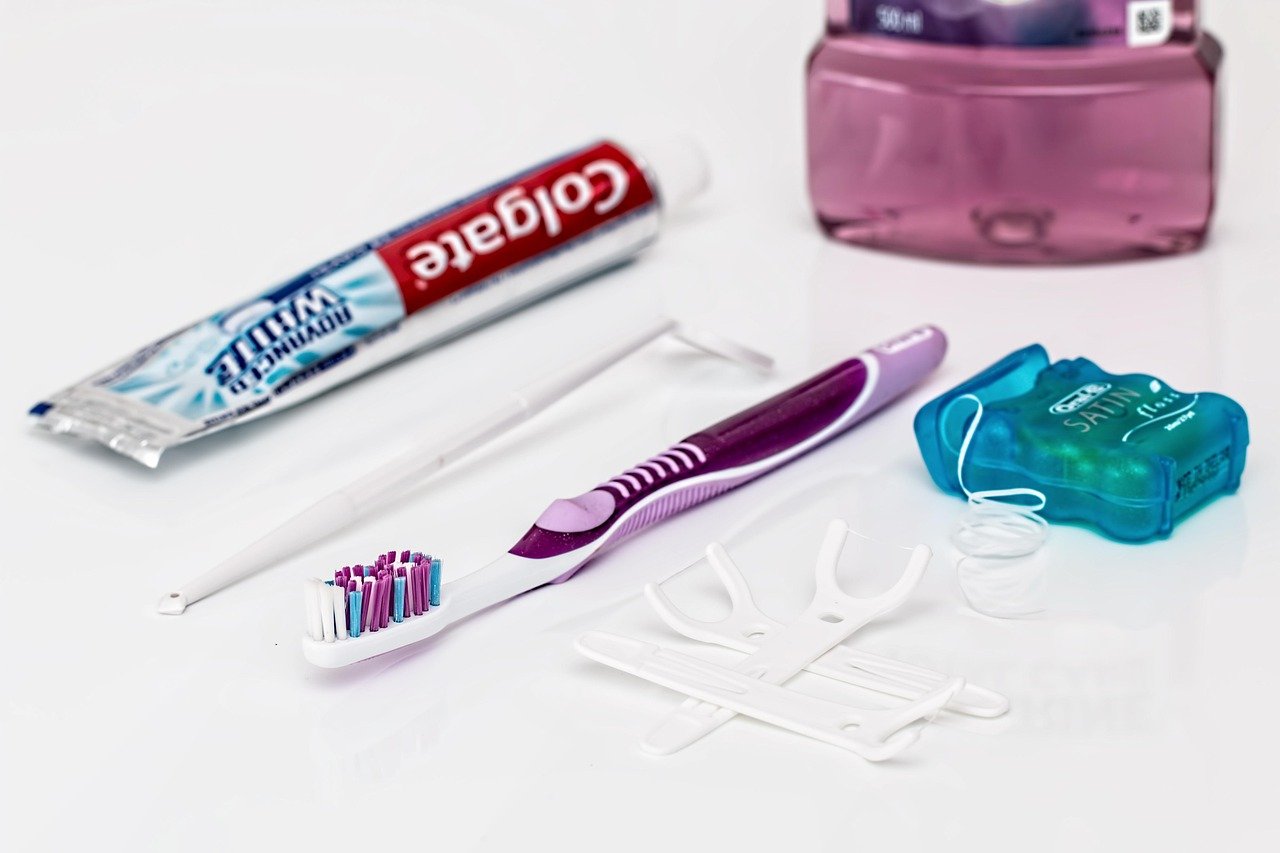
You grab a random tube at the store and hope it works. A smarter choice starts with ingredients. Fluoride supports enamel repair and helps prevent new decay, while certain actives soothe sensitive areas or reduce plaque acids. Because of this, toothpaste works best as part of a routine that also cleans between teeth; see why flossing still matters.
- Anticavity: fluoride strengthens enamel and slows early decay.
- Sensitivity relief: ingredients that calm nerve response in exposed dentin.
- Gum support: formulas that help control plaque and freshen breath.
- Whitening: gentle polishers that lift surface stains.
- Low-abrasion: safer on thin enamel or root surfaces.
- Dry mouth: mild, foaming-free options that feel less irritating.
Abrasiveness matters. Highly abrasive pastes can remove stains, but may also wear enamel and exposed roots over time, especially with hard brushing. If your teeth are sensitive, look for lower-abrasion options and brush with a soft brush. Whitening pastes brighten by lifting surface stains, not by changing tooth color; in-office whitening is different if you want a shade change.
Personal comfort counts too. Some people do better with formulas that avoid strong foaming agents or intense flavors, especially with dry mouth or frequent mouth sores. If you are unsure which features fit you, bring your concerns to your next checkup. We are happy to review choices at your visit and our current hours can help you plan. Picking the best toothpaste for your needs makes daily care simpler and more effective. Joint care between dental and medical teams helps sustain long-term wellness.
Understanding Fluoride Toothpaste Benefits
Fluoride toothpaste helps prevent cavities by making enamel more resistant to acid. It also supports repair of early, microscopic mineral loss before a hole forms. For people with gum recession, it can protect softer root surfaces that decay more easily.
When you brush, fluoride mixes with saliva and plaque fluid, drawing calcium and phosphate back into weakened areas. The rebuilt mineral is more acid tolerant, so future attacks from food and drink have less effect. Fluoride also slows bacterial acid production, reducing how long teeth spend under a damaging pH. These actions happen at the tooth surface, so regular contact matters. You notice a chalky white spot near a molar.
Brushing morning and night, about two minutes each time, increases this contact time. Spit out excess foam, but try not to rinse right away, so helpful minerals stay longer on teeth. After acidic drinks, wait a short period before brushing to avoid scrubbing softened enamel. Children should use only a small amount appropriate for their age; your dental team can guide exact amounts. People at higher risk, such as those with frequent decay or dry mouth, may benefit from discussing a higher-strength fluoride paste at a checkup.
Choosing the best toothpaste is about matching fluoride strength and texture to your mouth, not the label. If you want to add a rinse, see how mouthwash fits in to a daily routine. At your visit, we can review risk factors and make brushing feel more effective. Timely attention to fluoride habits guides stronger enamel and fewer cavities.
Top Best Toothpaste Picks for 2023
For 2023, choose toothpaste by problem, not by label color. Daily cavity protection still starts with fluoride. For sensitivity, look for potassium nitrate or stannous fluoride. If you want stain control, choose a gentle, low‑abrasion polish; for dry mouth, consider SLS‑free, milder flavors that feel less irritating.
Cold air hits a front tooth and you wince for a second. Potassium nitrate can calm the nerve inside exposed dentin, which often reduces that quick zing. Stannous fluoride can help with sensitivity too, and it adds protection for gums by limiting plaque’s effect on tissues. Whitening pastes mainly lift surface stains from coffee or tea; they do not change the natural shade of enamel.
Texture matters when roots are exposed or enamel is thin. A lower‑abrasion paste is kinder to those areas and to dental work like fillings or veneers. If your mouth feels dry, formulas without strong foaming agents often feel smoother, and pastes with humectants can help your mouth feel less sticky. For broader strategies beyond toothpaste, explore dry mouth relief options.
Some people prefer alternatives such as hydroxyapatite for enamel support. Others need a different fluoride strength based on cavity risk. If you are unsure, bring your current tube to your checkup so we can tailor a simple plan. The best toothpaste is the one that matches your needs and keeps you brushing twice a day.
What to Look for in Sensitive Toothpaste
Choose a sensitive toothpaste that calms the nerve and seals tiny tubules in exposed dentin. Look for fluoride for cavity protection, plus a desensitizing active such as potassium nitrate or stannous fluoride. Low abrasivity is helpful so you do not wear thin enamel or roots. For many with sensitivity, the best toothpaste combines fluoride with a gentle, tubule‑blocking formula.
Two ingredient styles help in different ways. Potassium salts soothe the nerve inside the tooth, which can reduce quick, cold-triggered zings. Stannous fluoride, arginine-calcium compounds, bioactive glass, or nano-hydroxyapatite can form plugs in dentin tubules, limiting fluid movement that sparks pain. A sip of ice water triggers a sharp twinge. With regular use, these plugs become more stable, so sensitivity often fades over days to weeks. For targeted relief, you can smear a pea-sized amount over the spot after brushing and briefly avoid rinsing to keep ingredients in contact.
Formula details matter too. Choose a lower Relative Dentin Abrasivity number if enamel is thin or roots are exposed, and a neutral to slightly basic pH if acidic drinks are common. If your mouth is easily irritated, milder detergents and flavors can feel more comfortable. Whitening add-ins may increase sting in some people; focus on comfort first, appearance later. If you clench or grind, microscopic cracks and recession can keep nerves triggered; a protective appliance may help reduce triggers alongside toothpaste changes. Learn how a night guard can support comfort in our overview of grinding protection.
Plan on consistency. Brush gently twice daily with a soft brush, spit out, and try not to rinse right away. Give a new paste at least two to four weeks before judging results. If one tooth aches with chewing, hot pain lingers, or sensitivity worsens, toothpaste alone is not enough. That pattern can signal a cavity, a cracked tooth, or gum problems that need care. Bring your current tube to your visit so we can fine-tune a plan that fits your mouth. Small changes in your paste and routine can quiet nerves and protect enamel.
Exploring Whitening Toothpaste Options
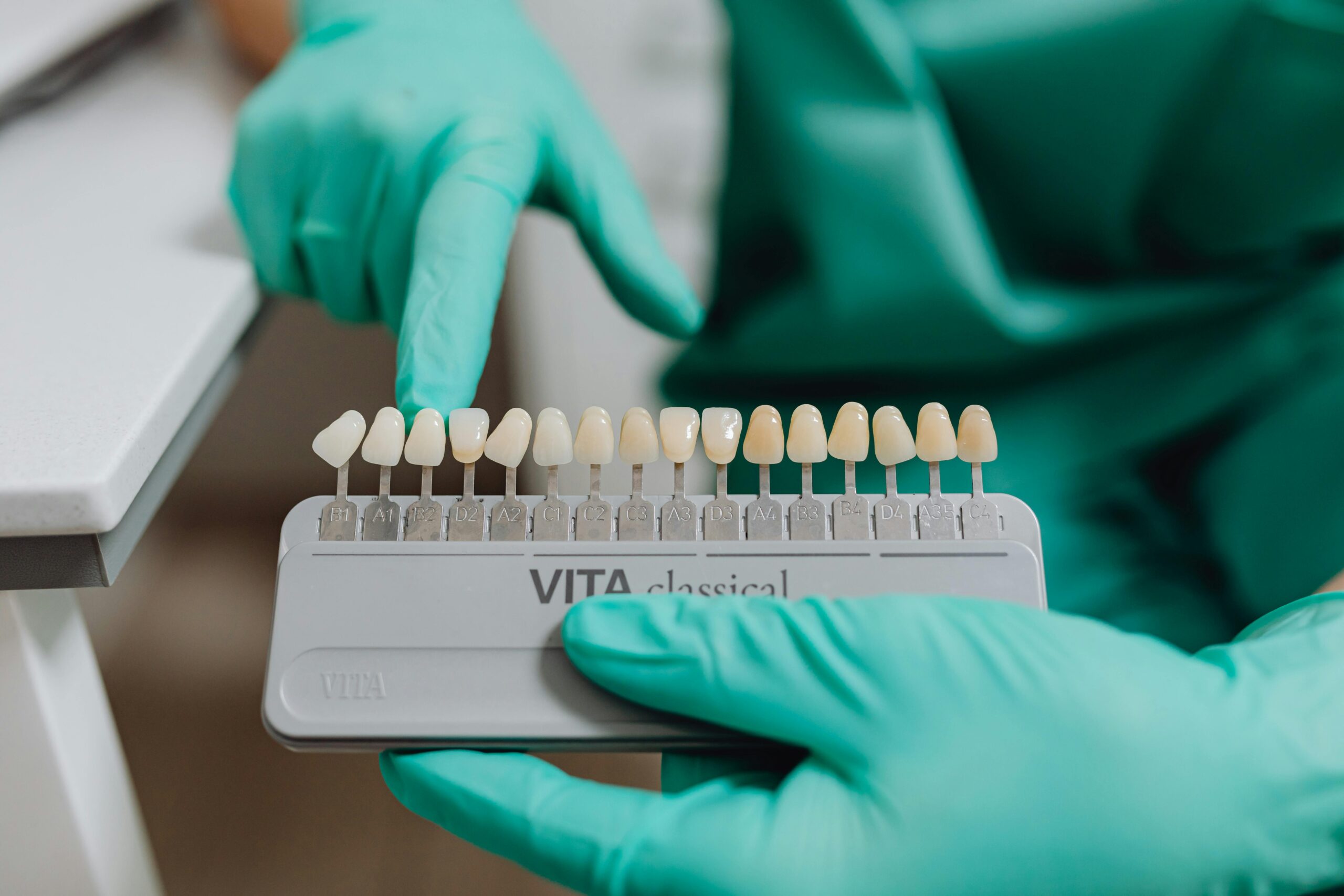
Whitening toothpastes can freshen a smile by loosening and polishing away surface stains. Formulas typically use gentle abrasives, low‑level oxidizers, enzymes, or optical tinting to change how light reflects off teeth. The best toothpaste for whitening depends on your stain type, enamel thickness, and sensitivity.
You sip coffee daily and notice a dull, yellow cast. Abrasive cleaners lift pigment on the outer pellicle, which helps tea and coffee stains release during brushing. Low‑concentration hydrogen peroxide or PAP targets stain molecules through oxidation at the surface. Some pastes add enzymes to break down the protein film that traps pigments. Others use blue covarine to deposit a tiny tint, creating a quick, whiter look by shifting perceived color. Results are modest and build with steady, twice‑daily use.
Match the formula to your mouth. If gums have receded or roots are exposed, favor lower‑abrasion options to protect dentin and cervical fillings. For frequent sensitivity, stannous fluoride or potassium salts within a whitening paste can support comfort while you address stains. If you often drink acidic beverages, brush after a short pause so softened enamel is not scrubbed. Restorations such as crowns, veneers, and bonding will not lighten with toothpaste, so aim your expectations at natural enamel only. For a true shade change across all teeth, compare options in our overview of professional whitening choices.
Think about feel and flavor too. Milder detergents and smoother grits are easier on dry or easily irritated mouths, and a simple mint can make daily use more pleasant. Swap in a stain‑control paste after meals that color the teeth, and rotate to a gentle formula if sensitivity flares. Small, consistent adjustments usually bring the brightest, safest outcome.
Compare in-office and take-home options that fit your smile goals.
Brighter, predictable whitening.
Benefits of ADA Approved Toothpaste
ADA Approved toothpaste has been independently reviewed for safety and effectiveness. It must prove it prevents cavities, does what the label claims, and is gentle enough for daily use. Choosing the best toothpaste is easier when you look for the ADA Seal.
You scan the aisle and spot the ADA Seal. That seal means the paste contains an effective level of fluoride and that the fluoride stays available while you brush. It also means the formula passes abrasivity testing, so the polishing agents clean without excessive wear on enamel or exposed roots. Products that claim sensitivity relief, gum support, or stain removal must show solid clinical data to earn the seal. This takes guesswork out of comparing boxes.
The ADA review looks beyond ingredients. It checks how the toothpaste behaves in real use, including pH, stability over time, and label accuracy. For sensitivity, accepted formulas need evidence they calm the nerve or block dentin tubules. For stain control, claims must reflect measurable changes, not just marketing language. Because testing is standardized, you can compare options by need, then pick flavor and texture you like.
There are practical benefits day to day. A capped abrasivity level helps protect thin enamel and cervical fillings while you brush twice daily. Proven fluoride action supports enamel repair on early weak spots and helps shield root surfaces where decay can start faster. If gum health is a goal, accepted stannous fluoride pastes can reduce plaque effects at the margin, which supports healthier tissues. Toothpaste is only part of prevention, so pair it with regular professional care; see what happens during a routine teeth cleaning.
To use the seal well, match the claim to your goal, then read the back panel for the active ingredient. If two options both carry the ADA Seal, choose the one that feels comfortable so you keep using it every day. Small, consistent choices add up to healthier teeth and gums.
Natural Toothpaste: Is It Right for You?
Natural toothpaste can be a good choice if you want simpler ingredients and milder flavors. It may feel gentler, especially if your mouth is easily irritated. The tradeoff is that many natural formulas skip fluoride, so cavity prevention can be weaker. The best toothpaste for you depends on your decay risk, gum health, and sensitivity.
You prefer plant-based products and want a simpler label. Many “natural” options use botanicals, mineral clays, or baking soda for cleaning, and avoid strong detergents like SLS. That can help if foaming agents or certain flavors trigger mouth sores or dryness. Some products include alternative minerals such as hydroxyapatite to support enamel; others do not add any remineralizing agent. If you choose a fluoride‑free paste and you are prone to cavities, consider pairing it with a fluoride rinse or discussing a strategy at your checkup.
Consider texture and polishing power. Charcoal and clay can feel smooth, but some versions can be gritty on thin enamel or exposed roots. Check the label for lower abrasivity and a neutral pH if you drink acidic beverages. Essential oils can freshen breath, yet cinnamon or strong mint may sting sensitive tissues. If gums bleed or feel puffy, toothpaste alone will not fix the cause; learn more about why gums bleed and how to treat it.
Here is a simple way to decide. If you have few or no cavities and want gentle flavors, a natural paste that still protects enamel can work well. If you have had recent decay, dry mouth, orthodontic appliances, or exposed roots, skipping fluoride is usually not wise without a plan. Bring the tube you are using to your visit, and we can fine‑tune ingredients so your daily brushing gives reliable results. Thoughtful choices today set up easier brushing tomorrow.
How to Match Toothpaste to Your Needs
Start with your main goal, then choose ingredients and texture that support it. If cavities are a concern, prioritize proven remineralizing agents. For sensitivity, pick a formula that soothes nerves or blocks dentin tubules. If gum health, stain control, or dry mouth tops your list, match the active ingredients and feel to that priority.
Think about risk first. Frequent snacking, dry mouth, or a history of decay point toward fluoride-forward pastes and steady twice-daily use. Acidic drinks or reflux increase erosion risk, so a neutral-feel formula and gentle brushing help protect softened enamel. Cold seltzer makes your front teeth twinge. In that case, sensitive formulas that calm the nerve and reduce fluid flow in dentin are a practical start.
Next, consider your gums and daily plaque control. If your gums bleed or feel puffy, look for pastes with anti-plaque benefits and pair them with careful brushing at the gumline. To understand the bigger picture, see our guide to the progression of gum disease. If tartar builds quickly, a tartar-control paste can slow calculus on smooth surfaces, though some people find those formulas slightly drying. Wearing braces or aligners demands consistent fluoride contact and thorough cleaning around brackets or attachments. For dry mouth, mild flavors and low-foaming detergents often feel more comfortable, and xylitol can help with a fresher feel. This is how you zero in on the best toothpaste without relying on box claims.
Finally, match texture to your teeth and dental work. If you have exposed roots, thin enamel, or many fillings, pick a lower-abrasion polish that cleans without scratching. If you want stain help from coffee or tea, rotate in a stain-lift formula, but protect comfort by switching back if sensitivity rises. Crowns, veneers, and bonding do not change color with toothpaste, so focus on maintenance rather than shade change. Bring your current tube to your checkup, and we can fine-tune these choices into a simple, daily plan. Clear choices today make brushing work harder for you.
Common Ingredients in Toothpaste Explained
Most toothpastes combine cleaning agents, stabilizers, and one or more actives that target specific needs. Abrasives polish away plaque film and surface stains, fluoride or other minerals support enamel, and detergents help lift debris. Humectants keep paste moist, thickeners create a smooth texture, and flavors or sweeteners improve taste. Some formulas add agents for tartar control, sensitivity relief, or breath freshness.
Abrasives such as hydrated silica or calcium compounds gently scrub the tooth surface. Their particle size and amount influence how strongly a paste polishes. Lower-abrasion options are kinder to thin enamel and exposed roots, while higher polish can help with stain-prone diets. Because texture affects comfort, choose a feel you can use twice daily.
Fluoride salts, like sodium fluoride or stannous fluoride, supply ions that harden weakened enamel and make it more acid resistant. Hydroxyapatite and related minerals appear in some pastes to support surface repair. Sensitivity-focused formulas may include potassium nitrate to calm nerve signals, or tubule-plugging minerals that reduce fluid movement inside dentin. You scan a label and wonder what “zinc” or “pyrophosphate” does.
Anti-tartar ingredients, commonly pyrophosphates or zinc compounds, slow new calculus on smooth surfaces by interfering with crystal growth. Breath-freshening zinc can also bind sulfur compounds that cause odors. These additions support gumline cleaning, but brushing technique around the margins still matters for results.
Detergents create foam that helps spread paste and suspend loosened debris. If foaming feels strong or tissues are easily irritated, milder-detergent formulas are available. Humectants like glycerin or sorbitol keep paste from drying out, while cellulose gums or similar thickeners give it body so it stays where you place it. Flavor oils and non-cavity sweeteners improve taste; xylitol can leave a pleasant, cool feel.
Putting this together, the best toothpaste balances cleaning power with the right active for your mouth. Start with a texture that feels comfortable, then match add-ons such as fluoride strength, sensitivity relief, or tartar control to your goals. Small, informed choices make daily brushing more effective.
Tips for Effective Toothpaste Use
Make toothpaste work harder by using the right amount, timing, and technique. Adults only need a pea-sized dab, spread across teeth before brushing. Pace your brushing with gentle pressure, and make the last brush of the day the final thing before sleep.
You set your brush’s timer and begin. Start with a relatively dry brush so the paste is not diluted right away. Smear the dab over front and back surfaces, then turn on your power brush or begin short, careful strokes with a manual brush. Glide slowly along the gumline, tilting bristles toward the margin so paste reaches where plaque starts. If your brush has quadrant beeps, move methodically so every surface gets covered.
Sequence helps. Clean between teeth first, then brush so the paste can flow into those spaces. Morning care often works best before breakfast, because acids from juice or coffee can soften enamel. Night care is critical; saliva flow drops while you sleep, so finishing the day with thorough brushing supports enamel and gums. After that final brush, stick to water only until morning.
Match small technique tweaks to your mouth. With braces or attachments, trace the bristles above and below brackets and along the wire. For aligner users, brush before reinserting trays so paste residue does not sit against teeth. If you use an electric brush, let the bristles do the work; press lightly and pause a moment on each tooth surface. For manual brushes, think short strokes, not scrubbing.
Keep the tube effective. Cap it tightly so ingredients stay stable, and store it cool and dry, not in a hot car or shower. Avoid sharing tubes to reduce germ spread. Replace brush heads or manual brushes every three months, or sooner if bristles splay. These small habits make any formula, including the best toothpaste for your goals, perform more reliably.
During checkups, we tailor technique and paste choice so daily care feels simpler and works better. Coordinated care often leads to clearer days and calmer nights.
Frequently Asked Questions
Here are quick answers to common questions people have about Best Toothpaste: Dentist Recommendations in Glendale, AZ.
- What should I consider when choosing toothpaste for sensitive teeth?
When picking toothpaste for sensitive teeth, look for options with fluoride and desensitizing agents like potassium nitrate or stannous fluoride. These ingredients soothe nerves and protect enamel. Choose a lower-abrasion formula to avoid further enamel wear. Sensitive toothpaste often helps block tiny tubules in exposed dentin, reducing the ‘zing’ from hot or cold. Brush gently twice daily and avoid rinsing right away to let the paste work best. Consistent use can help sensitivity improve over time.
- How does fluoride in toothpaste prevent cavities?
Fluoride in toothpaste strengthens enamel by making it more acid-resistant, which helps prevent cavities. When you brush, fluoride helps draw calcium and phosphate back into weakened areas, rebuilding more acid-tolerant mineral. It also slows bacterial acid production, reducing damage from food and drinks. For the best effect, brush twice daily for about two minutes and try to avoid rinsing immediately after brushing, so fluoride stays longer on your teeth.
- Are whitening toothpastes effective for removing stains?
Whitening toothpastes can help remove surface stains and brighten your smile. They use gentle abrasives to lift stains like those from coffee or tea. Some contain low levels of oxidizing agents or enzymes to further break down stain molecules. While whitening toothpastes won’t change the natural color of teeth, consistent use can improve their appearance. For a more dramatic shade change, you might consider professional whitening treatments.
- What are the benefits of using ADA-approved toothpaste?
ADA-approved toothpaste offers reassurance about its safety and effectiveness. The ADA Seal indicates that the paste has adequate fluoride for cavity prevention, meets abrasivity standards to protect enamel, and delivers on label claims. For sensitivity relief or stain removal claims, the paste must show credible clinical support. Using ADA-approved toothpaste helps you make informed choices backed by rigorous testing, allowing you to focus on comfort and effectiveness in your oral care routine.
- Why might someone choose natural toothpaste, and what are the considerations?
Natural toothpaste is appealing for those seeking simpler ingredients and milder flavors. They often exclude strong detergents like SLS, which can be beneficial if you have sensitive or easily irritated oral tissues. However, many lack fluoride, which may weaken cavity prevention. If using a fluoride-free option, consider supplementing with a fluoride rinse or consult your dentist about your dental health needs. If you are interested in exploring natural oral care, ensure the options you choose align with your cavity risk and enamel health.
- How can toothpaste texture affect my dental care routine?
Toothpaste texture plays a significant role in tooth and gum health. Lower-abrasion pastes are crucial for those with thin enamel, exposed roots, or dental work like fillings, as they clean without damaging surfaces. A smooth, mild-textured paste can feel more comfortable, especially if you experience dryness or irritation. Matching the texture to your needs helps ensure effective and enjoyable daily brushing, improving your overall oral care routine.
- How should I use toothpaste for the best results?
For optimal results, use a pea-sized amount of toothpaste spread across your teeth before brushing. Brush gently for about two minutes twice daily. Be sure to follow a consistent brushing pattern to cover all tooth surfaces and the gumline. Brushing before breakfast can protect enamel from being softened by food acids, and ensure that your last brushing session is right before bed. Consistent technique helps make your toothpaste more effective in maintaining oral health.
- What role do abrasives play in toothpaste?
Abrasives in toothpaste help polish away plaque and surface stains, maintaining a smooth tooth surface. Common abrasives include hydrated silica or calcium compounds, which vary in particle size and amount. Lower-abrasion formulas are better suited for sensitive teeth, while higher-abrasion options can help with stubborn stains. The choice of abrasive should match your enamel health and personal comfort to keep your brushing routine both effective and gentle.