

Factors to Consider When Choosing a Dentist
Choosing a dentist comes down to training, scope of care, access, and communication. Look for clear prevention plans, transparent treatment options, and a team you trust. When comparing any Glendale dentist, prioritize fit for your needs today and in the future.
You chipped a tooth the night before a work trip. In moments like this, the right office matters. A practical way to decide is to review a few core areas, then compare practices side by side.
- Credentials and experience: education, continuing education, and the procedures they routinely perform.
- Services available: check whether they manage emergencies, restorative care, and elective options in-house or with referrals.
- Access and responsiveness: same- or next-day urgent visits, clear triage by phone, and realistic timelines for complex care.
- Comfort options: how they handle pain control and whether sedation is available when appropriate.
- Diagnostic approach: comprehensive exams, bite and gum evaluations, and clear explanations with images when needed.
- Prevention focus: customized recall intervals, home-care coaching, and monitoring for changes over time.
Because every smile is different, match the practice’s strengths to your goals. For a stepwise approach to narrowing choices, see our guide to finding a dentist near you. This helps you compare offices using the same criteria, so the decision feels clearer.
Practical details also matter. Confirm location, parking, and whether their current hours align with your schedule. Ask how treatment plans are prioritized, what follow-up looks like, and who to contact if concerns arise between visits. A team that explains options, timelines, and likely outcomes makes care easier to navigate. Joint care between dental and medical teams helps sustain long-term wellness.
Signs You Need a Glendale Dentist
See a dentist when teeth or gums change, hurt, or swell. Ongoing tooth pain, a chipped or loose tooth, bleeding gums, or a sore that lasts more than two weeks are not “normal.” Sensitivity that lingers after hot or cold, bad breath that does not improve with brushing, or jaw pain when chewing are also reasons to schedule with a Glendale dentist.
Your cheek swells overnight before a big meeting. Face or gum swelling, fever, a foul taste, or pain that wakes you at night can signal an infection that needs prompt care. Broken or knocked-out teeth, a crown that pops off, or a deep crack are urgent as well. In these moments, knowing the first steps reduces stress; review our practical guide to what to do in a dental emergency.
Some signs build slowly. Gums that bleed when you brush, puffy or receding gums, or teeth that feel a bit loose point to gum disease. Catching this early helps protect bone and lowers the chance of tooth loss. Sensitivity that lasts more than a few seconds after cold drinks can mean decay or a worn filling. A tooth that hurts when you bite may have a crack that needs evaluation. Frequent morning headaches, jaw clicking, or flattened teeth suggest clenching or grinding. Dry mouth raises cavity risk and can make dentures rub. White or red patches, or a mouth ulcer that has not healed after two weeks, should be checked.
Because small issues can worsen, do not wait for pain to become severe. A timely visit clarifies what is happening, outlines options, and keeps treatment simpler when possible. Coordinated care often leads to clearer days and calmer nights.
Understanding Glendale Family Dentist Services
Family dentist services cover routine care, urgent needs, and long-term planning for every age. A Glendale dentist focused on family care provides cleanings, exams, fillings, gum care, and guidance that fits each person’s health and risk. This approach keeps most visits in one place and helps track changes over time.
Your child chips a tooth during soccer practice. Preventive care starts early and continues through adulthood. Expect regular exams, cleanings, and X‑rays only when indicated. For kids, molar sealants and fluoride can lower cavity risk. Adults benefit from risk-based recall intervals, home-care coaching, and diet tips for enamel protection. To see what a visit includes, review what to expect during a professional teeth cleaning.
When problems arise, family dentists handle common repairs. Small cavities are restored with tooth-colored fillings. Cracked or heavily worn teeth may need crowns to regain strength. If decay reaches the nerve, root canal therapy can relieve pain and save the tooth. For gums that bleed or feel tender, scaling and root planing can reduce inflammation and protect bone.
Care often extends beyond repairs. Clear aligners can straighten crowded teeth and make cleaning easier. Dentists also screen for oral cancer, sleep-breathing signs, and habits like grinding that damage enamel. Night guards can protect teeth from clenching. When wisdom teeth cause pain or crowding, evaluation helps decide if and when removal is best. Sedation options are available in some cases to manage anxiety and complex procedures, tailored to your health and the treatment plan.
A family-focused office coordinates care, explains choices in plain language, and follows up so you know what comes next. This continuity supports healthier mouths and simpler visits over time. Prompt evaluation supports healthy growth and restorative sleep.
Evaluating Glendale Dental Office Options
Start by deciding what you need now and over the next year. Then compare Glendale offices on quality of care, access, and communication. Look for a practice that explains choices clearly, coordinates care when needed, and follows up so you are never guessing.
Clinical approach matters. Ask how the team records gum measurements, checks bite and jaw function, and uses X-rays only when indicated. Photos and simple chairside visuals help you see what they see. If sedation is offered, confirm training, monitoring, and emergency readiness; review our overview of sedation safety standards to understand what to expect. You need a crown before a move next month.
Next, consider logistics. How long are you likely to wait for a new-patient visit or urgent evaluation? Clarify whether common treatments, like root canal therapy or wisdom tooth checks, are handled in-house or referred out. Digital scanners can reduce the need for messy impressions, and coordinated lab timelines help larger cases stay on track. For growing families, ask whether the office welcomes children and seniors, and how they adapt care to different ages.
Communication shapes the experience. Look for clear treatment summaries, written home-care steps, and how to reach the team between visits. Ask how they prioritize multi-step plans so the most important problems are addressed first. A glendale dentist who shares images, sets expectations, and checks your comfort at each step usually makes care feel simpler. Thoughtful comparison today leads to smoother care tomorrow.
What Makes the Best Dentist in Glendale?
The best dentist combines careful diagnosis, prevention-first planning, and respectful communication. Expect clear choices, step-by-step timelines, and follow‑through after each visit. A Glendale dentist should align care with your risk, goals, and overall health so treatment feels manageable and predictable.
Excellence starts with a complete exam that documents teeth, gums, bite, and jaw function, then turns findings into a simple plan. You should see photos or scans that help you understand what is happening and why. Prevention is tailored, not one-size-fits-all, so cleaning intervals, fluoride, and home-care tips match your needs. Your schedule changes weekly and dental visits make you nervous. The right office offers comfort strategies, checks your questions before procedures, and sets realistic expectations for healing and results.
Skill shows up in everyday decisions. Small cavities are repaired conservatively, yet larger structural problems are planned with proper materials and sequence. Crowns, aligners, or tooth replacement should follow a documented order that protects gum health and bite balance. In certain cases, coordinated lab work and digital scans can avoid extra visits and improve fit. Comfort and safety require attention to medical history, medication review, and appropriate monitoring; to learn more, see our overview of levels of sedation in dentistry. Equally important, urgent concerns are triaged quickly, and referrals for complex needs are arranged without leaving you to navigate alone.
Access matters too. Clear scheduling, prompt responses between appointments, and post‑treatment check‑ins prevent small issues from turning into setbacks. A practice that documents well, communicates plainly, and collaborates with your physicians helps you make steady progress with fewer surprises. Joint planning across dental and medical care supports long-term wellness.
Review material choices and a step-by-step plan for your tooth.
Restore strength and a natural look.
Exploring Glendale Cosmetic Dentist Choices
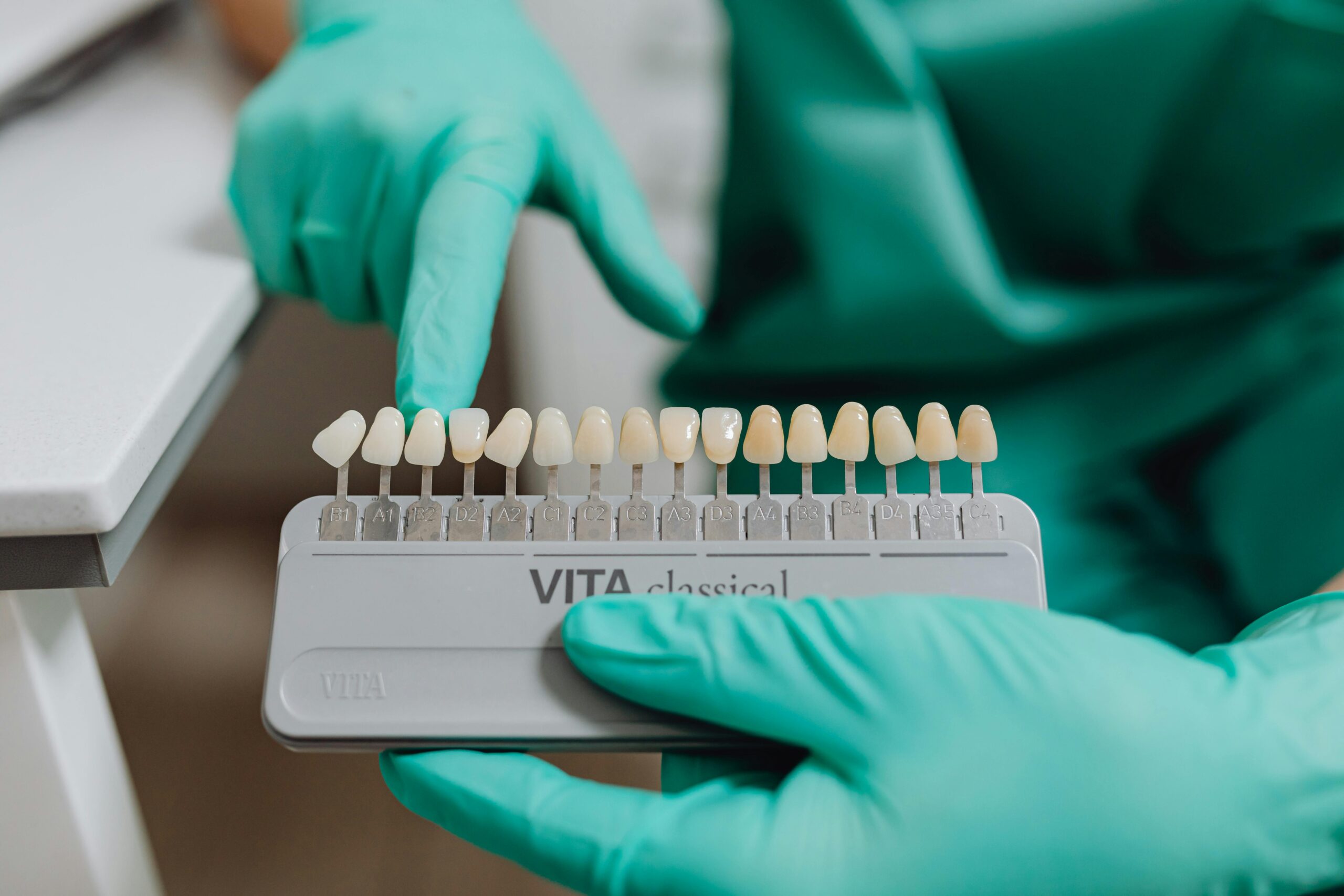
Cosmetic options in Glendale range from teeth whitening and bonding to porcelain veneers, clear aligners, and minor gum contouring. The right choice depends on stain type, enamel thickness, tooth alignment, and your goals and timeline. A thorough consult should include photos, shade evaluation, a bite check, and a clear preview of expected results. From there, your plan can be tailored to your smile.
You chip a front tooth two days before photos. Surface stains from coffee or tea often respond well to whitening, while internal discoloration, fluorosis, or gray tones may need bonding or veneers. For a deeper dive into methods and sensitivities, see our overview of professional whitening. If gums are uneven, small contouring changes can refine symmetry. Transitional bonding can also test a shape change before any porcelain is made.
Composite bonding is conservative and repairable, useful for small chips, gaps, or edge wear. It can stain over time and may chip with heavy biting habits, but it is straightforward to touch up. Porcelain veneers resist stain and can change color, shape, and proportion more predictably; some enamel is typically reshaped, and careful planning protects tooth structure. Clear aligners correct crowding or spacing so teeth reflect and transmit light evenly, which often improves the cosmetic outcome of any later whitening or bonding. Sometimes, a glendale dentist will pair aligners with limited bonding for a balanced, natural look.
Ask how your dentist previews changes. Digital simulations, wax-ups, or a bonded “test drive” let you see proposed lengths and contours in real life. Discuss maintenance, including how to keep edges smooth, protect against grinding with a night guard when needed, and plan routine polishing. Timelines vary, so clarify how many visits you will need and what healing to expect between steps. Results feel more predictable when choices fit your enamel, bite, and timeline.
Importance of Reviews for Dentist Glendale AZ
Reviews help you understand real patient experiences before you schedule. They show how a practice communicates, handles comfort, and follows through after treatment. For a Glendale dentist, reviews can highlight strengths, areas for improvement, and whether the office fits your needs.
You moved to Glendale last week. Read for patterns, not single comments. Recent, detailed reviews often say more than star counts alone. Look for notes about clear explanations, gentle injections, timely scheduling, and helpful follow-up. An office that responds respectfully to feedback shows a culture of listening, which usually translates to better visits.
Context matters. A handful of very high or very low ratings may reflect unusual days, so weigh the middle as well. Consistency across months, and across platforms, suggests reliability. Mentions of how the team manages unexpected issues, like a cracked filling or a sore spot after a crown, can tell you how the practice supports you between visits. When reviews describe hygienists, assistants, and dentists working in sync, that often means smoother care and fewer surprises.
Use reviews alongside other signals. Verify training, scope of services, and how the office explains options and timelines. Smile photos or case summaries can help you see the quality of work, while comments about front-desk communication and billing clarity set expectations for the administrative side. If you need specific services, search review text for those terms to gauge fit. Taken together, these details help you choose with more confidence.
Reviews are one piece of the picture, but used thoughtfully, they make your next step easier. Thoughtful use of reviews leads to steadier care decisions.
How to Prepare for Your First Visit
Bring a photo ID, your insurance details if you have them, and a current list of medications with doses. Share your medical history, allergies, and any dental goals or concerns you want addressed first. If you have recent X‑rays from another office, ask them to send or email them before your appointment.
Your six-year-old’s first appointment is tomorrow morning. Plan to arrive a little early to complete or review forms. Tell us if you are pregnant, use blood thinners, have a heart condition or joint replacement, or carry an inhaler. If you wear a night guard, retainer, or dentures, bring them so we can check the fit and wear. For anxious visits or if sedation is being considered, we will provide specific instructions ahead of time, including whether you need a driver.
Before you come, brush and floss as usual, but skip aggressive scrubbing that could irritate your gums. Eat normally unless we advise otherwise. Note any tooth sensitivity, jaw clicking, morning headaches, or sleep concerns so you can mention them during the exam. A Glendale dentist can use these details to tailor X‑rays, gum measurements, and bite checks to your needs. If you want a quick refresher on technique, see our guide to flossing basics.
Parents can set kids up for success by describing the visit in simple, positive terms and scheduling when they are most alert. Adults who manage dry mouth can bring water and any rinses they use so we can review habits. Fragrance-free, comfortable clothing helps if we take photos or use digital scanners. Most importantly, bring your questions. Knowing what matters to you helps us set a clear, stepwise plan and prioritize the first steps.
Good preparation sets the stage for clear decisions and steady progress.
Assessing Insurance and Payment Options
Start by confirming whether the office is in-network with your plan and what your plan actually covers. Ask the team to verify benefits before treatment, including deductibles, annual maximums, and any waiting periods. If you do not have insurance, request a written estimate and ask about payment arrangements that fit your timeline.
You need a crown and wonder what insurance will cover. Coverage often varies by category: preventive care is typically covered at a higher percentage than fillings or crowns, and major services may have waiting periods. Frequency limits can apply to cleanings, X‑rays, and certain restorations, so it helps to check dates of prior care. In-network fees are negotiated by your plan, which can lower your portion; out-of-network care may be covered, but at a different rate. A pre-determination is not a guarantee of payment, yet it can clarify expected benefits so you can plan.
Next, look at out-of-pocket details. The deductible is the amount you pay first each benefit year, after which coinsurance applies until you reach the annual maximum. If your plan has a maximum, phasing care across benefit years can reduce your per-visit burden. Health Savings Accounts and Flexible Spending Accounts can be used for qualified dental expenses; ask your benefits administrator about documentation you may need. If timing matters, schedule preventive visits earlier, since they often reset your risk and help avoid urgent costs later.
For larger treatment plans, break the discussion into steps: what must be done now to protect health, what can wait, and what supports long-term function and appearance. A Glendale dentist can prioritize visits, coordinate pre-estimates, and outline a payment timeline that matches your goals. If you are comparing tooth replacement options, our overview of dental implant costs and financing explains common budgeting approaches for bigger cases. Clear planning today prevents surprises tomorrow.
Common Services Offered by Glendale Dentists
Most Glendale dentists provide preventive checkups and cleanings, fillings and crowns for damaged teeth, and gum care to manage inflammation. Many also offer root canals to relieve pain, extractions when a tooth cannot be saved, clear aligners, and cosmetic options like whitening or bonding. Tooth replacement choices, such as bridges or dentures, are common too. Sedation may be available for anxious patients or longer visits.
Prevention is the foundation. Routine exams, professional cleanings, and X-rays only when indicated help catch problems early. Fluoride and sealants strengthen enamel in the right cases. Hygienists remove hardened plaque that brushing cannot reach, then coach you on home care so improvements stick. For gums that bleed or feel tender, scaling and root planing reduce bacterial load and allow tissues to heal.
A filling falls out over lunch. Restorative care fixes structure and function quickly and conservatively when possible. Tooth-colored fillings repair small cavities. When a tooth is cracked or heavily worn, a crown restores strength and coverage. If decay or trauma affects the nerve, root canal therapy removes inflamed tissue, disinfects the space, and preserves the tooth’s biting role. When a tooth cannot be restored, your dentist can plan an extraction and protect the site for future replacement.
Alignment and appearance are addressed as needed. Clear aligners guide teeth into healthier positions, which can make cleaning easier and improve bite comfort. Cosmetic bonding repairs chips or closes small gaps with minimal enamel change, while whitening targets surface stains for a brighter shade. For missing teeth, bridges or removable partial dentures restore chewing and stabilize neighboring teeth. Night guards can protect against clenching and grinding that wear enamel.
Care is tailored to your health, goals, and timeline. A Glendale dentist will explain options, outline steps, and coordinate referrals when specialized treatment is needed. This clarity helps you choose the next right step with confidence.
Questions to Ask Your Dentist in Glendale
Good questions lead to a clearer plan and fewer surprises. Ask your dentist to explain what is happening, why it developed, and the most important next step. Then discuss alternatives, expected timelines, and how you will maintain results. This keeps care focused on your goals and health.
Your molar zings with cold the week before a trip. Start with diagnosis and cause: what is the exact problem, and what factors led to it, such as decay, bite stress, or gum disease? Clarify urgency versus monitoring, and what changes would trigger prompt treatment. Your glendale dentist should also outline what happens if you wait, so you can balance risk with timing.
Next, cover how the team will confirm findings. Ask which images or measurements are needed and why, including how radiation exposure is minimized. Request to see photos or scans so you can visualize cracks, wear, or cavities. If gums bleed or feel tender, ask how pocket depths and bone levels will be tracked over time. For bite or jaw symptoms, learn how they assess contact points and muscle strain, and how that affects treatment choices.
Discuss options and durability. Ask which materials fit your chewing forces and enamel thickness, and what maintenance they require. If a tooth is cracked or deeply decayed, compare conservative repairs, crowns, and, when relevant, root canal therapy, including recovery steps. Review comfort planning, from local anesthesia to whether sedation is appropriate based on your health and the procedure. Share medications and medical conditions, and ask how they influence anesthesia, bleeding, and healing.
Finish with prevention and follow‑up. Ask for a personalized home plan, including fluoride level, interdental tools, and bite protection if you clench. Clarify warning signs to watch for, when to check in, and how to reach the team after hours. These conversations help you compare offices and choose a plan that fits your timeline and comfort level. Clear questions now lead to smoother visits later.
Frequently Asked Questions
Here are quick answers to common questions people have about Best Dentist in Glendale, AZ in Glendale, AZ.
- How do I know if a Glendale dentist is suitable for my family?
Finding the right dentist involves considering services for all ages, from children to seniors. Ensure the Glendale dentist provides preventive exams, cleanings, and restorative care tailored to each age. Ask about their approach to children’s care, including fluoride and sealants, and whether they offer services like clear aligners for teens and adults. Comfort options, such as sedation and night guards for grinding, can also make visits more enjoyable.
- What should I do if I have a dental emergency in Glendale?
In a dental emergency, like a knocked-out tooth or severe pain, contact a Glendale dentist as soon as possible. They can provide guidance over the phone and determine if you need to be seen immediately. Common emergencies include severe toothache, chipped or broken teeth, and lost fillings or crowns. Acting quickly can prevent further damage and improve the chance of a successful treatment outcome.
- How can reviews help me choose a Glendale dentist?
Patient reviews offer insights into a Glendale dentist’s communication style, treatment quality, and patient comfort. Look for patterns in the reviews, such as consistent praise for clear explanations or after-care follow-up. While star ratings provide a quick glance, focusing on detailed experiences helps you understand the dentist’s approach and how they handle typical concerns. Reviews that mention timely scheduling and gentle treatment can guide your decision.
- What cosmetic dental services are available in Glendale?
Cosmetic dental services in Glendale include teeth whitening, bonding, veneers, clear aligners, and gum contouring. These services can address various concerns, from discolored or uneven teeth to alignment issues. A professional consult can help tailor treatments to your goals, offering previews and advice on maintenance. Each option has distinct timelines and outcomes, so understanding your choices ensures a result that meets your expectations.
- Why is prevention important for dental health in Glendale?
Prevention is the cornerstone of dental health, focusing on avoiding disease before it starts. Regular checkups, cleanings, and X-rays help catch problems like cavities and gum disease early. Fluoride treatments and sealants can build enamel resistance, further reducing decay risk. Glendale dentists also offer home-care guidance, emphasizing correct brushing and flossing techniques to support ongoing health between visits, keeping your natural teeth healthier longer.
- How can a Glendale dentist help with sensitive teeth?
If you experience tooth sensitivity, a Glendale dentist can identify the underlying cause. Common triggers include worn enamel, gum recession, or tooth decay. Dentists may recommend desensitizing toothpaste, fluoride treatments, or addressing grinding habits with a night guard. For severe cases, more specific treatments may be necessary, such as dental bonding or a custom care plan to reduce sensitivity effectively over time.
- What should I expect during my first visit to a Glendale dentist?
Your first visit typically includes a comprehensive exam, covering teeth, gums, and bite function. The dentist will review your medical history, discuss any concerns or goals, and develop a customized care plan. Expect images or X-rays only when needed, and receive clear explanations of findings and recommended steps. Sharing your questions and priorities helps the dental team provide personalized care from the start.