

Glendale, Arizona
Bruxism Treatment in Glendale, AZ
Services provided by an Arizona licensed general dentist.
Bruxism -- habitual teeth grinding and jaw clenching -- silently erodes enamel, fractures restorations, and strains your jaw joints. SmileScience Dental Spa identifies and treats bruxism at every stage, protecting both your teeth and your quality of life.
What Is Bruxism?
Bruxism is the medical term for habitual teeth grinding or jaw clenching. It affects an estimated 10 to 15 percent of adults and is most often unconscious -- occurring during sleep (sleep bruxism) or during waking hours without awareness (awake bruxism).
Sleep bruxism is classified as a sleep-related movement disorder. Because it occurs during sleep, most patients learn about it from a partner, or from the visible wear patterns we observe during a dental exam. Left unaddressed, the forces generated by grinding -- which can exceed 250 pounds per square inch -- gradually destroy enamel and strain the temporomandibular joints (TMJ).
Awake bruxism tends to involve more clenching than grinding and is closely tied to stress, anxiety, and concentrated focus. Both forms require evaluation and treatment to prevent progressive damage.
Common Signs and Symptoms
Because grinding often happens at night, symptoms can seem unconnected. If you recognize several of the following, schedule a bruxism evaluation.
Worn, Flat, or Chipped Teeth
Enamel appears shorter, translucent at the edges, or has flat facets visible on examination -- the most reliable clinical indicator of active grinding.
Morning Headaches
Temporal headaches or a diffuse "head pressure" upon waking result from sustained contraction of the masseter and temporalis muscles overnight.
Jaw Pain or Fatigue
Soreness or aching in the jaw muscles, especially on waking or after eating, indicates overuse of the masticatory muscles during sleep.
Increased Tooth Sensitivity
Enamel erosion from grinding exposes the sensitive inner dentin layer, causing sharp responses to temperature changes and sweet foods.
Broken or Loose Restorations
Crowns, veneers, and fillings that repeatedly crack or loosen without obvious cause suggest excessive occlusal force from bruxism.
Ear Pain or Fullness
TMJ inflammation from chronic grinding can radiate to the ear, mimicking an ear infection when no infection is present.
What Causes Bruxism?
Bruxism is rarely caused by a single factor. The most common contributors are listed below. Identifying your triggers allows us to tailor treatment more effectively.
Stress and Anxiety
The most frequently identified trigger. Psychological and emotional stress activates the jaw muscles unconsciously, both during sleep and waking hours. Managing stress often reduces bruxism intensity.
Sleep Apnea and Sleep Disorders
Sleep bruxism is significantly more common in patients with obstructive sleep apnea (OSA). The arousal micro-events that accompany apnea episodes appear to trigger jaw muscle activation. Treating sleep apnea often reduces nocturnal grinding.
Bite Misalignment (Malocclusion)
When upper and lower teeth do not come together evenly, the jaw may compensate by grinding to "find" a comfortable position. Bite equilibration or orthodontic correction can address this component.
Medications and Stimulants
Certain antidepressants (SSRIs), stimulant medications, and high caffeine intake are associated with increased bruxism. If medication is suspected, we coordinate with your prescribing physician.
Neurological Factors
Dopamine pathway irregularities, Parkinson's disease, and some other neurological conditions are associated with elevated bruxism rates. Dental management focuses on protecting teeth while medical management addresses the underlying condition.
Genetics
Bruxism runs in families. If a first-degree relative grinds, your risk is elevated. We recommend early screening at routine exams for patients with a family history.
Why Early Treatment Matters
Untreated Bruxism Is Progressive
Unlike cavities, which can be caught and reversed early, enamel loss from grinding is permanent. Each year of untreated bruxism removes irreplaceable tooth structure that cannot be re-grown. The cascade of consequences accelerates over time.
- ▶ Progressive enamel loss -- shorter, sensitive teeth
- ▶ Cracked teeth requiring crowns or extraction
- ▶ Repeated failure of dental restorations
- ▶ Development or worsening of TMJ dysfunction
- ▶ Chronic facial pain and headaches
A custom night guard, worn consistently, interrupts this cycle with minimal effort and cost compared to the restorative work required to repair unprotected grinding damage.
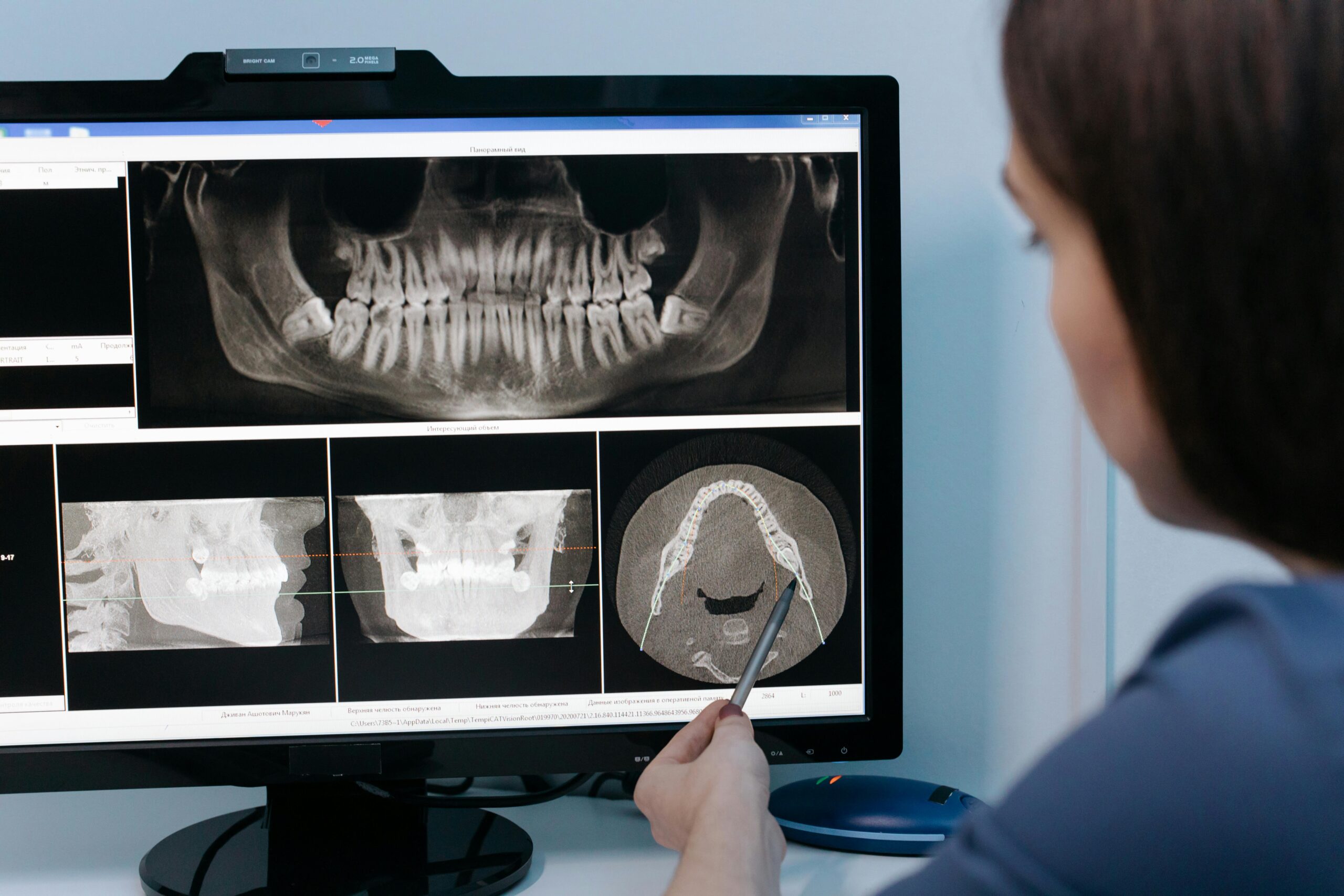
Bruxism Treatment at SmileScience
No single treatment works for every patient. We evaluate the severity of wear, the status of your bite and jaw joints, and your contributing factors before recommending a treatment plan.
Custom Night Guard
The most widely prescribed first-line treatment. A lab-fabricated guard creates a protective barrier between your upper and lower teeth, absorbing grinding forces and preventing further enamel damage. Available in hard acrylic, soft, or dual-laminate designs based on your grinding severity.
Occlusal Equilibration
When bite misalignment is contributing to grinding, selectively reshaping high contact points can reduce the jaw's searching behavior. This minor, irreversible procedure is recommended only when there is clear clinical evidence of a bite-driven component.
Neuromodulator Injections
For patients with severe masseter hypertrophy (enlarged jaw muscles from clenching) or those who find guards intolerable, neuromodulator injections into the masseter muscle can significantly reduce grinding force and relieve jaw fatigue. Effects last 3 to 6 months.
Restorative Repair
Worn or fractured teeth resulting from years of grinding may require crowns, bonding, or in severe cases full-mouth rehabilitation to restore proper function and appearance. Dr. Turke provides restorative care after bruxism is under control.
Sleep Apnea Screening
Because bruxism and sleep apnea are frequently co-occurring, patients with significant sleep bruxism are screened for OSA. Treating underlying sleep apnea with an oral appliance or CPAP often reduces nocturnal grinding substantially.
Behavioral Strategies
Stress management, daytime awareness exercises (keeping lips together, teeth apart), and limiting caffeine and alcohol before bed can reduce bruxism intensity alongside dental treatment. We discuss these strategies as part of every bruxism consultation.
Stop Grinding Before It Gets Worse
Bruxism damage is cumulative and irreversible. The sooner it is identified and protected against, the less restorative work you will need down the road. Schedule your bruxism evaluation at SmileScience Dental Spa in Glendale today.
Bruxism FAQs
They are related but distinct. Bruxism is the behavior (grinding or clenching), while TMJ disorder refers to dysfunction of the temporomandibular joint itself. Bruxism is a leading cause of TMJ dysfunction, and the two frequently coexist -- which is why we evaluate both simultaneously. Treatment for one often improves the other.
Bruxism is managed rather than cured in most cases. Addressing root causes -- stress, sleep apnea, bite issues -- can significantly reduce its severity or frequency, and some patients find that it resolves once their sleep apnea is treated. For most, ongoing use of a night guard remains the most reliable long-term protection strategy.
If the tooth is already significantly cracked or weakened, a crown may be necessary regardless. However, starting a night guard now prevents further cracking of adjacent teeth and protects any crown placed from the same grinding forces that damaged the original tooth. A crown without a night guard is at elevated risk of fracture in an active bruxer.
Yes. Bruxism is actually more common in children than many parents realize, particularly during the transition between primary and permanent teeth. Most children outgrow it without intervention, but severe cases can warrant a guard. If you notice your child grinding at night or complaining of morning jaw pain, schedule an evaluation.
Coverage varies by plan. Many dental insurance plans partially cover night guards when bruxism is documented clinically. Some medical plans cover neuromodulator injections for bruxism when it is diagnosed as a medical condition. We verify your benefits before any treatment and provide a clear estimate.
Key indicators of progression include increased morning headaches, new tooth sensitivity, visible changes in tooth length or shape, and recurring breakage of dental work. At your cleanings, we track wear patterns over time and flag any meaningful changes. Patients with active bruxism are typically seen on a closer recall schedule.
4.9 (437 reviews)
I recently had the pleasure of visiting Smile Science Dental Spa, and I couldn't be more impressed with the level of care and service provided by the entire team. Dr. Dawson and Dr. Turke are both incredibly skilled and made me feel completely at ease throughout my procedures. Their professionalism, combined with their gentle approach, made me feel comfortable and well-informed every step of the way. I was especially impressed that I was able to get a same-day crown(apparently their first ever!), which exceeded my expectations. I couldn’t believe how quick and seamless the process was. It really saved me time and made the experience even more convenient. Cindiray and Angeles, the dental assistants, were equally wonderful. They were not only friendly and attentive but also thorough in explaining everything and made sure I was relaxed during each phase of my visit. Lastly, a big thank you to Litzy at the front desk, who greeted me with a smile and helped with scheduling and any questions I had. She made the entire check-in process a breeze. From start to finish, my experience at Smile Science Dental Spa was exceptional. I'll be returning for sure. I highly, highly, highly recommend them for anyone looking for high-quality dental care.
View Full Review on GoogleDusty

Honestly I’ve never been so happy to go to the dentist. I came in (late due to Lyft) and was still taken care of and treated with care. Even without insurance (kicking in within the next month) prices for an extraction on my infected tooth were more than reasonable. I was able to get more than expected done in the same visit. Dr. Dawson and his team made me feel so comfortable and taken care of. Won’t go anywhere else.
View Full Review on GoogleCherish B

I recently started as a patient after leaving our long-time family Dentist and couldn’t be happier! Marcela is AMAZING and a FANTASTIC hygienist!!!! 😃 Dr Dawson is great too! Every time I visit, they make me feel like family.
View Full Review on GoogleTJ Winzeler

Myself and my family had previously gone to Dr. Turk at another dental office that he worked at. He had relocated and we did not know where he had gone to until this week. Today I got in with Dr. Turk and he took the time to look at my x-rays carefully . I was having pain from a tooth and some other issues. The previous Dentist I went to that I saw just a few days earlier, he did not find any issues with my tooth which I had pain in. Dr. Turk identified infection and referred me to an endodontist. He is very gentle as a wonderful disposition and my self and my family are thrilled to be able to get back with him. The office is lovely, relaxing music, heat and massage chair.I have always been very nervous and some anxiety going to dentist as I have had bad reactions with the anesthesia. I am confident that Dr. Kirk will help me get through my next appointment just fine. “The staff are very kind and attentive. I am looking forward as I have quite a bit of work to be done, and I know I’m in good hands with Dr. Turk and his staff. Five stars!⭐️ Sherry
View Full Review on GoogleSherry Redmond

I recently moved to Arizona and had an issue with a tooth repair from 15 years back. Not knowing anyone here in my new home, I searched dentists close to me. I chose Smile Science much like pinning the tail on the donkey and my selection couldn't have been better! What a terrific staff! Dr. Turke was concerned the tooth would need to be extracted, but said he wanted to take a shot at saving it..and that's just what he did! After setting a temporary crown, I was on my way with an appointment to install the permanent crown in the following two weeks. That evening I received a call I've never received from a dentist. Dr. Turke had taken the time to follow up with me to make sure I wasn't in any discomfort..I was completely caught off guard by this kind of attention to detail and caring for my well being. The permanent crown is now in place, it fits and feels fantastic, the job and treatment are first class! Thank you, Dr. Turke and staff for taking in this stray and giving me a home dentist! I'd like to say that I'm just good at selecting blindly, but the truth is I am very lucky..and I'll take lucky over being good any day of the week! Thank you, again and Happiest of New Year's in 2026, Science Smile!!
View Full Review on GoogleEddy
