
Glendale, Arizona
Custom Oral Sleep Appliances in Glendale, AZ
Services provided by an Arizona licensed general dentist.
A custom oral sleep appliance is the most comfortable, portable, and often the most practical treatment for snoring and mild to moderate obstructive sleep apnea. At SmileScience Dental Spa, we design, fit, and titrate precision devices that work from the first night.
The Device
What Is an Oral Sleep Appliance?
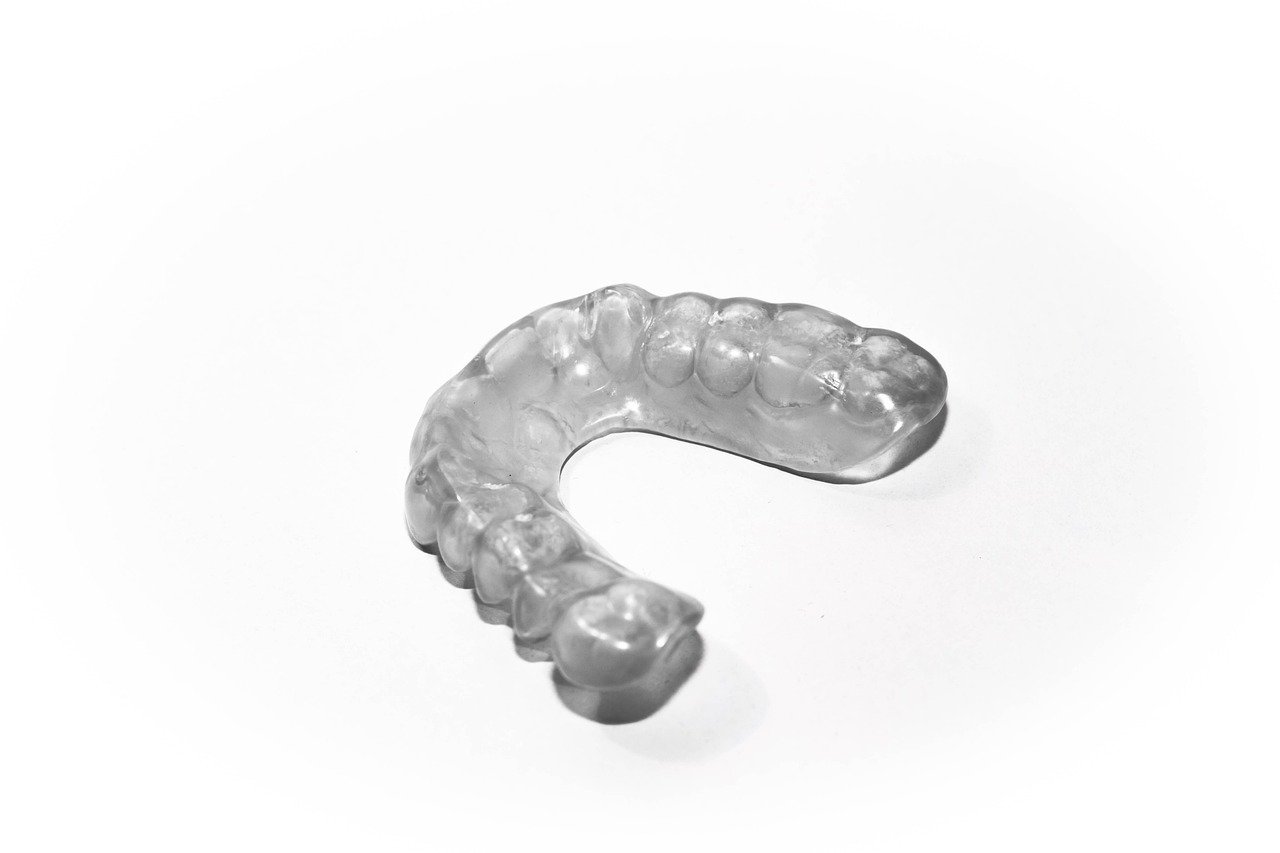
An oral sleep appliance (also called a mandibular advancement device, or MAD) is a custom-fit, FDA-cleared prescription medical device worn in the mouth during sleep. It resembles a sports mouthguard in appearance, but its engineering is fundamentally different -- it is designed to precisely reposition the lower jaw forward and hold it there throughout the night.
This forward jaw position tightens the muscles and soft tissues at the back of the throat, keeps the tongue from collapsing backward into the airway, and increases the cross-sectional diameter of the upper airway -- preventing the collapse that causes obstructive sleep apnea and snoring.
Unlike over-the-counter snoring aids, a custom appliance is fabricated from detailed impressions of your exact dental anatomy. The degree of mandibular advancement is precisely adjustable -- typically in 0.25 mm increments -- allowing titration to your optimal jaw position for both airway effectiveness and jaw joint comfort.
How It Works
The device advances the lower jaw a few millimeters forward from its natural resting position. This stretches and tightens the pharyngeal muscles, preventing airway collapse.
As the jaw moves forward, the tongue base moves with it -- away from the posterior airway wall. This eliminates one of the primary causes of obstructive apnea events.
Even a few millimeters of mandibular advancement significantly increases the cross-sectional area of the oropharynx -- the critical zone where obstruction occurs in most OSA patients.
Available Devices
The Full Spectrum of Oral Sleep Appliances
Multiple FDA-cleared device designs are available. The right choice depends on your anatomy, severity, jaw mobility, and existing dental work.
We evaluate your specific anatomy, dental health, jaw mobility, and severity of OSA before recommending a device design. There is no single appliance that works best for every patient.
The Process
The Custom Fitting Process at SmileScience
We review your sleep study and OSA diagnosis, examine your teeth and jaw, and assess jaw range of motion. Digital impressions of your upper and lower teeth are taken along with a bite registration that records your natural jaw relationship. We also photograph the airway and review your medical and dental history for contraindications.
We select the appliance design best suited to your anatomy, severity, jaw mobility, and lifestyle. The records are sent to a specialized dental laboratory. Fabrication typically takes 2 to 3 weeks. Custom laboratory-made devices are built to precise tolerances from durable, biocompatible materials -- far exceeding what any OTC product can provide.
At the delivery appointment, we seat the appliance, verify that it fits precisely without pressure points, and set the initial mandibular advancement position. We review cleaning instructions, demonstrate the morning repositioning exercises, and answer all questions. You leave with the appliance and wear it that night.
Over 4 to 8 weeks we progressively advance the appliance in small increments, monitoring jaw comfort and reported sleep quality at each visit. The titration process finds the minimum effective advancement position -- enough to control the airway without causing jaw joint discomfort. Partners often report improvement in snoring from the very first night, even before optimal titration is reached.
A home sleep test while wearing the appliance at your final titration confirms that the AHI has been adequately controlled. We share results with your prescribing physician. Annual check-ups monitor the appliance for wear, check for any bite changes, and verify ongoing effectiveness.
What to Expect
The Adjustment Period
Most patients adapt fully to an oral sleep appliance within 2 to 4 weeks. Understanding what is normal during this period helps patients persist through early discomfort to reach long-term benefit.
Temporary Jaw Soreness
Morning jaw stiffness and mild soreness are very common during the first few weeks. The masticatory muscles are adapting to holding an unfamiliar position for hours. Morning repositioning exercises -- demonstrated at your delivery appointment -- significantly reduce this discomfort and restore normal jaw position.
Increased Salivation
The presence of a foreign object in the mouth triggers salivary flow. This resolves on its own within 1 to 2 weeks as the nervous system habituates to the device. Some patients experience dry mouth instead -- particularly mouth breathers -- which we address with appropriate humidification recommendations.
Transient Bite Awareness
Some patients notice a brief feeling that their bite feels different on waking in the morning. This is caused by the jaw being held forward overnight and is temporary -- normal bite feel returns within 30 to 60 minutes in most patients. Morning repositioning exercises accelerate this process.
When to Contact Us
Contact us promptly if: jaw soreness does not improve within 3 weeks; pain is severe rather than mild; you notice significant tooth looseness or sensitivity; or the appliance no longer seats correctly. Most adjustment issues are resolved at a single short appointment.
Device Care
Caring for Your Oral Sleep Appliance
Daily Care Routine
- 1.Rinse under cool running water immediately after removing each morning
- 2.Brush gently with a soft toothbrush and mild liquid dish soap -- never toothpaste (abrasive and will scratch the surface)
- 3.Rinse thoroughly under cool water
- 4.Allow to air dry completely in the provided vented case before storing
- 5.Perform morning repositioning exercises before eating breakfast
Weekly and Ongoing Care
- --Soak weekly in a denture or retainer cleaning tablet solution for 15 to 20 minutes
- --Never use hot water -- heat warps the acrylic permanently
- --Keep away from pets -- the scent is attractive to dogs
- --Bring to every dental appointment for professional inspection
- --Check monthly for visible cracks, worn attachments, or loose components
Morning Repositioning Exercises
After removing the appliance each morning, your jaw may feel slightly forward. Repositioning exercises restore normal jaw position and prevent long-term bite adaptation. A typical protocol:
- Bring your back teeth together and hold for 5 seconds. Repeat 5 times.
- Move the jaw side to side 5 times in each direction.
- Eat a soft food (yogurt, soft fruit) as your first meal to encourage normal jaw movement before anything that requires hard chewing.
Longevity and Lifestyle
Appliance Lifespan and Travel Advantage
How Long Does It Last?
A well-maintained custom oral sleep appliance typically lasts 3 to 5 years. Factors that shorten lifespan include severe bruxism (which gradually degrades the acrylic and mechanical components), inadequate cleaning, and exposure to heat.
Most insurance plans provide replacement coverage every 3 to 5 years. As your anatomy or body weight changes, the optimal jaw advancement position may also shift -- re-titration at a follow-up visit is often all that is needed to restore effectiveness before full replacement is necessary.
We inspect your appliance at every annual dental visit for signs of wear, stress fractures in the acrylic, and degraded retention. Catching these early prevents sudden loss of effectiveness.
The Travel Advantage Over CPAP
CPAP therapy requires the machine, humidifier, tubing, mask, and power supply. Traveling with CPAP involves checked luggage or oversized carry-on bags, distilled water for the humidifier, international power adapters, and navigating airline pressurized cabin CPAP protocols.
An oral sleep appliance stores in a small hard case about the size of a glasses case. It requires no power, no water, no mask maintenance, and no special protocols for air travel. Patients who travel frequently -- for business or leisure -- often find OAT significantly easier to maintain consistently, which directly improves treatment outcomes.
For patients who use CPAP at home but travel frequently, an oral appliance as a travel-only device is a recognized and practical approach that your sleep physician can authorize.
Knowing the Limits
When an Oral Appliance May Not Be Enough
Oral appliance therapy is highly effective for the right candidates, but it is not the correct solution for every patient with sleep disordered breathing. Transparency about limitations is central to responsible care.
Severe OSA
For severe OSA (AHI 30+), CPAP remains the gold standard and first-line treatment. Oral appliances can reduce AHI significantly even in severe cases, but may not achieve the full reduction that adequately manages cardiovascular risk for the most severe patients. CPAP intolerance is the main indication for OAT in severe cases.
Central Sleep Apnea
Oral appliances work by preventing physical airway obstruction. Central sleep apnea -- where the brain fails to signal the breathing muscles correctly -- is not a structural problem and does not respond to mandibular advancement therapy. Medical management by a sleep physician is required.
Active TMJ Disorder
Mandibular advancement places mechanical load on the temporomandibular joint. Active TMJ pathology that would be worsened by this loading requires TMD treatment first -- or a device design that minimizes joint stress. We assess TMJ health before proceeding with OAT.
Poor Dental Retention
MADs rely on the teeth for retention. Patients with very few remaining teeth, severe periodontal disease, or unstable dentition cannot adequately retain a MAD. Tongue-retaining devices or implant-supported solutions may still be options -- we evaluate this at consultation.
Honest Information
Side Effects -- What to Know
Oral appliances are safe and well-tolerated for the vast majority of patients, but like any medical device, they carry potential side effects. Understanding these helps patients make informed decisions and identify issues early.
Temporary Jaw Soreness (Very Common)
Morning jaw stiffness is very common in the first few weeks and resolves with morning repositioning exercises. Persistent or worsening jaw pain after 3 weeks of use warrants a call to our office -- advancement may need to be reduced.
Transient Bite Changes (Common)
Minor day-to-day bite changes are common and typically resolve within 30 to 60 minutes of removing the device. Permanent bite change over months of use is a known risk and monitored at every follow-up visit. Repositioning exercises significantly reduce this risk.
Minor Tooth Movement (Uncommon with Proper Fit)
An improperly fitting device can create forces that move teeth over time. This is one of the key reasons a custom laboratory-fabricated appliance with clinical monitoring is safer than any OTC alternative. We monitor for tooth movement at every annual check-up and adjust the appliance design or advancement if movement is detected.
Increased Salivation or Dry Mouth (Temporary)
Excess salivation in the first 1 to 2 weeks is a normal adaptation response and resolves on its own. Dry mouth occurs in some patients, particularly mouth breathers. We may recommend a chin strap to encourage nasal breathing or a humidifier. This symptom is manageable and does not typically require discontinuing the appliance.
What Our Patients Say
4.9 (437 reviews)
I recently had the pleasure of visiting Smile Science Dental Spa, and I couldn't be more impressed with the level of care and service provided by the entire team. Dr. Dawson and Dr. Turke are both incredibly skilled and made me feel completely at ease throughout my procedures. Their professionalism, combined with their gentle approach, made me feel comfortable and well-informed every step of the way. I was especially impressed that I was able to get a same-day crown(apparently their first ever!), which exceeded my expectations. I couldn’t believe how quick and seamless the process was. It really saved me time and made the experience even more convenient. Cindiray and Angeles, the dental assistants, were equally wonderful. They were not only friendly and attentive but also thorough in explaining everything and made sure I was relaxed during each phase of my visit. Lastly, a big thank you to Litzy at the front desk, who greeted me with a smile and helped with scheduling and any questions I had. She made the entire check-in process a breeze. From start to finish, my experience at Smile Science Dental Spa was exceptional. I'll be returning for sure. I highly, highly, highly recommend them for anyone looking for high-quality dental care.
View Full Review on GoogleDusty

Honestly I’ve never been so happy to go to the dentist. I came in (late due to Lyft) and was still taken care of and treated with care. Even without insurance (kicking in within the next month) prices for an extraction on my infected tooth were more than reasonable. I was able to get more than expected done in the same visit. Dr. Dawson and his team made me feel so comfortable and taken care of. Won’t go anywhere else.
View Full Review on GoogleCherish B

I recently started as a patient after leaving our long-time family Dentist and couldn’t be happier! Marcela is AMAZING and a FANTASTIC hygienist!!!! 😃 Dr Dawson is great too! Every time I visit, they make me feel like family.
View Full Review on GoogleTJ Winzeler

Myself and my family had previously gone to Dr. Turk at another dental office that he worked at. He had relocated and we did not know where he had gone to until this week. Today I got in with Dr. Turk and he took the time to look at my x-rays carefully . I was having pain from a tooth and some other issues. The previous Dentist I went to that I saw just a few days earlier, he did not find any issues with my tooth which I had pain in. Dr. Turk identified infection and referred me to an endodontist. He is very gentle as a wonderful disposition and my self and my family are thrilled to be able to get back with him. The office is lovely, relaxing music, heat and massage chair.I have always been very nervous and some anxiety going to dentist as I have had bad reactions with the anesthesia. I am confident that Dr. Kirk will help me get through my next appointment just fine. “The staff are very kind and attentive. I am looking forward as I have quite a bit of work to be done, and I know I’m in good hands with Dr. Turk and his staff. Five stars!⭐️ Sherry
View Full Review on GoogleSherry Redmond

I recently moved to Arizona and had an issue with a tooth repair from 15 years back. Not knowing anyone here in my new home, I searched dentists close to me. I chose Smile Science much like pinning the tail on the donkey and my selection couldn't have been better! What a terrific staff! Dr. Turke was concerned the tooth would need to be extracted, but said he wanted to take a shot at saving it..and that's just what he did! After setting a temporary crown, I was on my way with an appointment to install the permanent crown in the following two weeks. That evening I received a call I've never received from a dentist. Dr. Turke had taken the time to follow up with me to make sure I wasn't in any discomfort..I was completely caught off guard by this kind of attention to detail and caring for my well being. The permanent crown is now in place, it fits and feels fantastic, the job and treatment are first class! Thank you, Dr. Turke and staff for taking in this stray and giving me a home dentist! I'd like to say that I'm just good at selecting blindly, but the truth is I am very lucky..and I'll take lucky over being good any day of the week! Thank you, again and Happiest of New Year's in 2026, Science Smile!!
View Full Review on GoogleEddy

Oral Sleep Appliance FAQ
Mild morning jaw stiffness is very common in the first few weeks. The masticatory muscles are adapting to a new rest position. It typically resolves with the morning repositioning exercises we demonstrate at your delivery appointment. Significant pain means the advancement needs to be reduced -- contact us promptly if pain is more than mild.
In most cases, yes. The appliance is custom-designed around your existing dental work. We evaluate your crowns, bridges, and implants at the consultation to confirm they can adequately support retention without risk of loosening or damage. Missing teeth in certain locations may affect the appliance design choice.
This is most often a titration issue -- the advancement setting needs to be increased. Weight gain, changes in sleeping position, or gradual adaptation can reduce effectiveness over time. Call us and we can usually resolve this at a single short adjustment appointment. If the appliance is worn out or damaged, replacement is covered by most insurance plans with appropriate documentation.
Custom oral appliances are covered by most medical insurance plans and Medicare Part B with a qualifying diagnosis -- out-of-pocket costs depend on your plan's deductible and coinsurance. The device itself typically ranges from $1,500 to $3,000 out-of-pocket before insurance. Many patients with insurance pay far less. CPAP equipment has ongoing supply costs (mask, tubing, filters) that accumulate over time.
Yes. Oral appliances dramatically reduce snoring in most patients, including those who snore without OSA. Partners typically notice improvement from the first night. If snoring is your primary concern, we still recommend a sleep study first -- snoring is the most common presenting symptom of undiagnosed OSA, and treating snoring without ruling out apnea misses an important health risk.
A properly maintained appliance typically lasts 3 to 5 years. Patients with severe bruxism may wear through devices faster -- every 2 to 3 years. Most insurance plans provide replacement coverage every 3 to 5 years. We inspect your appliance at every annual visit and advise you when replacement is approaching so you can plan accordingly.
Yes. Plain water is fine while wearing the appliance. Avoid consuming sugary beverages, coffee, or acidic drinks while wearing it -- liquids pool around the teeth and against the appliance, increasing decay risk. The appliance is intended for sleep use only -- remove it before eating or drinking anything other than plain water.
4.9 (437 reviews)
I recently had the pleasure of visiting Smile Science Dental Spa, and I couldn't be more impressed with the level of care and service provided by the entire team. Dr. Dawson and Dr. Turke are both incredibly skilled and made me feel completely at ease throughout my procedures. Their professionalism, combined with their gentle approach, made me feel comfortable and well-informed every step of the way. I was especially impressed that I was able to get a same-day crown(apparently their first ever!), which exceeded my expectations. I couldn’t believe how quick and seamless the process was. It really saved me time and made the experience even more convenient. Cindiray and Angeles, the dental assistants, were equally wonderful. They were not only friendly and attentive but also thorough in explaining everything and made sure I was relaxed during each phase of my visit. Lastly, a big thank you to Litzy at the front desk, who greeted me with a smile and helped with scheduling and any questions I had. She made the entire check-in process a breeze. From start to finish, my experience at Smile Science Dental Spa was exceptional. I'll be returning for sure. I highly, highly, highly recommend them for anyone looking for high-quality dental care.
View Full Review on GoogleDusty
Honestly I’ve never been so happy to go to the dentist. I came in (late due to Lyft) and was still taken care of and treated with care. Even without insurance (kicking in within the next month) prices for an extraction on my infected tooth were more than reasonable. I was able to get more than expected done in the same visit. Dr. Dawson and his team made me feel so comfortable and taken care of. Won’t go anywhere else.
View Full Review on GoogleCherish B
I recently started as a patient after leaving our long-time family Dentist and couldn’t be happier! Marcela is AMAZING and a FANTASTIC hygienist!!!! 😃 Dr Dawson is great too! Every time I visit, they make me feel like family.
View Full Review on GoogleTJ Winzeler
Myself and my family had previously gone to Dr. Turk at another dental office that he worked at. He had relocated and we did not know where he had gone to until this week. Today I got in with Dr. Turk and he took the time to look at my x-rays carefully . I was having pain from a tooth and some other issues. The previous Dentist I went to that I saw just a few days earlier, he did not find any issues with my tooth which I had pain in. Dr. Turk identified infection and referred me to an endodontist. He is very gentle as a wonderful disposition and my self and my family are thrilled to be able to get back with him. The office is lovely, relaxing music, heat and massage chair.I have always been very nervous and some anxiety going to dentist as I have had bad reactions with the anesthesia. I am confident that Dr. Kirk will help me get through my next appointment just fine. “The staff are very kind and attentive. I am looking forward as I have quite a bit of work to be done, and I know I’m in good hands with Dr. Turk and his staff. Five stars!⭐️ Sherry
View Full Review on GoogleSherry Redmond
I recently moved to Arizona and had an issue with a tooth repair from 15 years back. Not knowing anyone here in my new home, I searched dentists close to me. I chose Smile Science much like pinning the tail on the donkey and my selection couldn't have been better! What a terrific staff! Dr. Turke was concerned the tooth would need to be extracted, but said he wanted to take a shot at saving it..and that's just what he did! After setting a temporary crown, I was on my way with an appointment to install the permanent crown in the following two weeks. That evening I received a call I've never received from a dentist. Dr. Turke had taken the time to follow up with me to make sure I wasn't in any discomfort..I was completely caught off guard by this kind of attention to detail and caring for my well being. The permanent crown is now in place, it fits and feels fantastic, the job and treatment are first class! Thank you, Dr. Turke and staff for taking in this stray and giving me a home dentist! I'd like to say that I'm just good at selecting blindly, but the truth is I am very lucky..and I'll take lucky over being good any day of the week! Thank you, again and Happiest of New Year's in 2026, Science Smile!!
View Full Review on GoogleEddy
Ready to Sleep Better?
Custom oral sleep appliances from SmileScience Dental Spa. Glendale, AZ. FDA-cleared devices, physician coordination, and coverage through most medical insurance plans. Call or book online to start.