
Understanding Jaw Pain Causes
Jaw pain can start in the joints, muscles, teeth, or nearby nerves. Common triggers include clenching or grinding, dental infections, joint inflammation, and even sinus pressure. Because structures in the face and neck are connected, more than one source can contribute at the same time. Understanding likely jaw pain causes helps guide the right next step.
You wake with a sore jaw and a headache after a stressful week.
The temporomandibular joints (TMJs) and their supporting muscles are frequent pain sources. These problems, grouped as temporomandibular disorders, are multifactorial and can be influenced by stress, muscle overuse, joint inflammation, and bite loading patterns [1]. Dental causes also matter. A cracked tooth, deep cavity, or gum infection can refer pain to the jaw and ear. Because of this overlap, a careful exam looks at joints, muscles, teeth, nerves, and sinuses together.
- Muscle overuse from clenching or nighttime grinding
- TMJ irritation, arthritis, or disc strain within the joint
- Dental issues such as cracked teeth, pulpitis, or abscess
- Wisdom tooth pressure or eruption problems
- Sinus congestion that refers pain to upper jaw and teeth
- Prior injury, including whiplash, or jaw overextension
Neck and jaw function are linked, so pain in one region can change muscle activity in the other, sometimes sustaining symptoms [2]. In certain cases, neck trauma like whiplash is followed by a higher prevalence of TMJ-related symptoms, underscoring how injuries outside the mouth can drive jaw discomfort [3].
Noticing patterns can help. Pain with chewing tough foods points toward joints or muscles. A sharp, lingering tooth ache with hot or cold often suggests a dental nerve issue. Morning soreness and worn edges hint at grinding. For TMJ-focused learning, see our overview of TMJ disorder causes and treatments. Joint care between dental and medical teams helps sustain long-term wellness.
Common Symptoms of TMJ Disorders
TMJ disorders often present as pain in front of the ear, jaw stiffness, or fatigue during chewing. Many people notice clicking or popping sounds, limited mouth opening, brief locking, or the jaw shifting to one side while opening. Ear fullness, temple-area headaches that worsen with jaw use, and tenderness in the cheeks are also common. These patterns frequently overlap with jaw pain causes rooted in the joints and chewing muscles.
Your jaw clicks when you yawn on a busy morning. A single, soft click that occurs with opening and closing can reflect the joint disc slipping and recentering. Locking or a sudden drop in how wide you can open points toward the disc not moving normally. Muscle overuse creates a dull, tight ache and jaw fatigue; trigger points in these muscles can refer pain to the temple or teeth. When a temple headache is provoked by chewing or clenching, TMJ involvement is more likely [4].
During an exam, clinicians look for tenderness over the TMJ and the chewing muscles, limited or painful opening, deviation of the jaw on opening, and joint noises that occur consistently with movement. These observable features, paired with your symptom history, help identify whether the primary issue is muscle-related, joint-related, or a mix of both, which guides next steps [5].
Tracking what makes symptoms better or worse is helpful. For example, note if pain increases with wide yawns, tough foods, long conversations, or stress, and whether rest, gentle jaw range-of-motion, or a softer diet calms things down. Nighttime grinding can amplify joint clicking, morning stiffness, and muscle soreness; see our guide to teeth grinding for context. If symptoms persist beyond a couple of weeks, recur, or disrupt sleep or eating, an evaluation can clarify the source and plan. Coordinated care often leads to clearer days and calmer nights.
What is Jaw Joint Pain?
Jaw joint pain is discomfort felt in one or both temporomandibular joints, the small hinges just in front of your ears. It arises from tissues inside the joint, such as the cartilage disc, joint lining, ligaments, or the bony surfaces. This is different from muscle soreness in the cheeks or temples. Knowing jaw pain causes helps separate joint problems from muscle or dental sources.
Inside the joint, a smooth disc cushions movement between the condyle and the socket. If the joint lining becomes inflamed, called synovitis, or the capsule is irritated, called capsulitis, pain often increases with chewing or biting firmly. A displaced disc can click or briefly catch, which may strain surrounding ligaments. Degenerative changes can roughen the joint surfaces, leading to stiffness and aching that can worsen after heavy use. Imaging research shows that joint fluid, or effusion, on MRI is associated with painful TMJs, supporting an inflammatory mechanism [6].
You feel a sharp twinge in front of your ear while chewing. Joint pain is commonly triggered by overloading from wide yawning, prolonged clenching, a jaw bump, or forms of arthritis. Sleep disruption and sleep-related grinding can heighten orofacial pain sensitivity, so improving sleep may help calm flares [7]. Because joint and muscle issues often overlap, a focused exam distinguishes intra-articular pain from muscle sources by assessing loading responses, motion quality, and localized joint tenderness, then directing care toward the primary driver.
Understanding what “joint pain” means helps you notice patterns that matter. Pain that sharpens with firm biting or feels centered right in front of the ear points toward the TMJ rather than the chewing muscles or teeth. When needed, protective strategies that reduce joint load, gentle range-of-motion practice, and targeted therapies can settle irritated tissues. For appliance options that limit overnight clenching forces, explore our guide to night guards. Early care can shorten flares and protect the joint.
How Clenching Jaw Affects You
Clenching loads your jaw muscles, joints, and teeth. It can cause soreness near the cheeks or temples, a tired jaw on waking, and headaches that follow heavy use. Teeth may chip, crack, or wear flat, and they can become sensitive to cold. With time, joint compression may irritate the TMJ tissues and limit comfortable opening.
Among jaw pain causes, clenching is common but often overlooked. Awake clenching usually relates to stress or focus, while sleep bruxism is involuntary and can be stronger. You catch yourself pressing your teeth during emails. Repeated overuse keeps the masseter and temporalis muscles switched on, which increases tenderness and fatigue. Compressive forces inside the joint can strain the disc and ligaments, so a wide yawn or firm bite may sting more after a clenching spell.
Teeth tell the story. Look for shiny wear facets where enamel has polished flat, craze lines that look like hairline cracks, or a corner chip after biting something soft. Temperature zings after sipping iced water can follow exposed dentin from wear. If a tooth becomes painful to chew or lingers with cold, it needs a prompt exam to rule out a crack or nerve inflammation. Because awake and sleep patterns often overlap, noticing when your teeth touch helps. Aim for lips together, teeth apart, and let the tongue rest lightly on the palate to create micro-breaks.
Simple steps reduce load while you sort out triggers like stress, caffeine late in the day, or sustained screen posture. Gentle jaw range, a warm compress to the cheeks, and softer foods during a flare can calm tissues. Dental checks help catch wear and small fractures early, before they turn into bigger problems. To compare home and professional strategies, see our overview of bruxism treatments. For visit timing, view our current hours. Addressing clenching early protects teeth and joints.
Recognizing TMJ Symptoms Early
Early TMJ symptoms are often subtle. Look for brief morning stiffness, mild soreness with chewy foods, or a tired jaw after long conversations. You may notice your teeth touching more than they should during the day. A soft, occasional click that was not there before can be another early clue.
You rub your cheeks after a long call. Early irritation often shows up as end‑of‑day fatigue near the temples or in front of the ears, or a new preference to chew on one side. Gentle pressure just ahead of the ear may feel tender, especially after wide yawns or gum chewing. A simple self‑check compares how many fingers fit between your front teeth comfortably; if two to three used to fit and now less does, that change matters. Early TMJ signals can be mistaken for other jaw pain causes, so noticing patterns over time helps.
Transitions in daily habits can also reveal a trend. Pay attention if talking, singing, or prolonged screen time leads to tightness around the jaw hinge, or if you catch yourself clenching during focused tasks. Note when sounds change from rare to frequent, or when stiffness lasts longer than a few minutes. If symptoms recur weekly, disturb sleep, or begin limiting food choices, an exam can clarify whether muscles, the joint, or teeth are driving your discomfort. During routine visits, your hygienist can screen for joint and muscle findings that point to early TMJ involvement; see how that role supports detection in Dental Hygienist Role Explained. Prompt evaluation supports comfortable chewing and calmer joints.
Exploring Dental Causes of Jaw Pain
Dental problems often trigger jaw pain, even when a tooth does not feel obviously sore. Inflamed tooth nerves, cracked enamel, gum infections, or an erupting wisdom tooth can all refer pain into the jaw and ear. Because tooth and jaw nerves share pathways, the ache can feel wide or hard to pinpoint. Understanding these dental jaw pain causes helps focus testing and care.
When the inner tooth tissue, the pulp, becomes inflamed from deep decay or a crack, pain may radiate to the jaw, worsen with hot or cold, and linger after the stimulus. If the tissue dies and infection reaches the tip of the root, biting pressure can feel sharp or throbbing, and the jaw around that tooth may ache. A hairline crack can cause a quick zing on release after chewing, especially on hard or sticky foods. You bite down and feel a sharp zing in a molar.
Gum-related infections also reach the jaw. A periodontal abscess can create a deep, dull ache that increases with chewing and may cause swelling. Around a partially erupted wisdom tooth, trapped plaque and bacteria can inflame the overlying gum, leading to pain that spreads toward the ear or throat and discomfort when opening wide. Even a recent filling that sits slightly “high” can overload a tooth, activating surrounding muscles and creating a sore, tired jaw by day’s end.
During an exam, simple tests help sort the source. Cold testing, gentle tapping, and a focused bite on a small stick can localize the culprit tooth. X‑rays check for decay, cracks, and bone changes; occasionally, 3D imaging is needed to map a complex lesion. New facial swelling, fever, a bad taste, or trouble opening are urgent signs; review early clues and what to do in our guide to tooth abscess signs. Clear diagnosis guides timely treatment, whether that means calming the nerve, cleaning infection, or addressing a wisdom tooth.
If your jaw pain behaves like tooth pain, quick testing can stop a small issue from escalating. Timely dental care prevents escalation and restores comfortable chewing.
Learn what to expect from root canal therapy and recovery.
Save the tooth, relieve the pain.
Effective Jaw Pain Relief Methods
Most jaw pain improves with simple, steady care matched to the source. Start by resting from tough or chewy foods, using a warm compress, and practicing slow, comfortable jaw opening. Over-the-counter pain relievers can help if safe for you. Because jaw pain causes vary, relief works best when the plan fits the true driver.
Focus on habits first. Keep your teeth slightly apart during the day, relax the jaw, and limit wide yawns. Short sets of gentle movement, such as small side-to-side and comfortable opening, reduce stiffness. After a hard bagel, your jaw feels tight. Many people benefit from a short soft-food period while tissues calm, then a gradual return to normal chewing.
Evidence supports conservative care as first-line treatment. Education, self‑management, targeted exercises, short courses of anti‑inflammatory medicine when appropriate, and well‑fitted occlusal appliances can reduce pain and load for temporomandibular disorders [8]. Manual therapy and exercise directed to the jaw and neck may add relief and improve function in orofacial pain conditions [9]. These approaches aim to quiet irritated muscles and joints while you reduce triggers like clenching, long chewing, or sustained mouth opening.
When pain points to a tooth, definitive dental care is needed to treat the source, since home measures alone will not resolve a cracked tooth or infection. Injections inside the TMJ show mixed results and are not first choices for most people with jaw pain [10]. Surgery is typically reserved for select cases that do not improve with quality nonsurgical care, as many patients achieve meaningful pain reduction without an operation [11]. Sleep, stress management, and posture also matter; small improvements in each often lower daytime clenching and evening soreness.
If pain persists beyond a short trial of self‑care, worsens, or limits eating, an evaluation can pinpoint the cause and refine treatment. Consistent habits, not quick fixes, make relief last.
Lifestyle Changes for TMJ Relief
Daily habits can lower strain on your jaw joints and muscles. Small adjustments in posture, chewing, sleep, and stress control often ease soreness and stiffness. These steps help reduce overload, calm irritated tissues, and support healing. They also address common jaw pain causes such as clenching triggers and poor sleep.
Start with a relaxed resting position. Let your lips meet, keep a small space between the teeth, and rest the tongue lightly against the palate. During focused tasks, set gentle reminders to unclench and take brief movement breaks. Sit tall with your ears over your shoulders, and avoid leaning on your chin or cradling a phone. Chew on both sides, cut food into smaller bites, and pause wide yawns by placing the tongue to the roof of the mouth. If nasal congestion leads to mouth breathing, addressing it can lessen jaw tension; learn how airway habits affect comfort in Mouth Breathing & Oral Health.
Short, comfortable motion a few times a day helps maintain ease. Try small side-to-side and gentle opening movements within a pain-free range. Warmth to the cheeks for 10 to 15 minutes can soothe muscles; brief self-massage of the jaw muscles may add relief. During a flare, skip gum, tough breads, and very chewy meats, then reintroduce foods gradually as comfort returns. Hydrate well, and limit late-day caffeine and alcohol, which can increase nighttime clenching for some people.
Sleep setup matters. Choose a pillow height that keeps your neck neutral, and avoid sleeping face down with the jaw pressed into the pillow. A consistent wind-down routine, darker room, and steady sleep schedule can lower next-morning stiffness. If symptoms recur most mornings, a dentist can check for signs of grinding and discuss options to reduce overnight load.
These changes are safe starting points you can control today. If pain persists or limits eating or talking, a focused exam can clarify the next step and rule out tooth or joint disease. Small, steady changes add up to calmer, stronger jaws.
When to Seek Professional Help
See a dentist if jaw pain lasts more than one to two weeks, worsens, or interferes with chewing or sleep. Go sooner for swelling, fever, new difficulty opening wide, or tooth pain that lingers with hot or cold. After an injury, a jaw that will not open normally, feels “off,” or will not close comfortably should be checked promptly. Because jaw pain causes vary, timing your visit around red flags helps prevent complications.
Dental infections can spread into nearby spaces and get serious. Warning signs include facial swelling that is firm or spreading, fever, foul taste or drainage, pain that makes opening difficult, or trouble swallowing. Your cheek swells and you can barely open to brush. If these appear, seek urgent dental care or medical attention; review practical steps in what to do in a dental emergency.
Joint and muscle problems also have tipping points. Persistent locking, a rapid drop in how wide you can open, or a new bite change that does not settle warrants evaluation. Painful, repeated joint clicks paired with limited motion are different from a soft, occasional click and should be assessed. If morning stiffness, headaches, or daytime clenching persist despite careful self-care, an exam can clarify whether the joint, muscles, or a tooth is driving your pain.
Tooth-related alerts include sharp pain on chewing, a crack felt after biting something soft, or sensitivity that lingers after the cold is gone. These signs suggest structural or nerve involvement that home measures cannot fix. For wisdom teeth, increasing pain behind the last molar, swollen gum tissue, bad taste, or pain radiating toward the ear are reasons to schedule soon. Prompt care limits spread, reduces flare length, and protects nearby tissues.
A focused visit sorts dental, joint, and muscle sources, then guides targeted treatment and imaging only when needed. If you are unsure, err on the side of a timely check. Prompt evaluation supports safe, steady recovery.
Importance of TMJ Diagnosis
A precise TMJ diagnosis identifies whether pain comes from the joint, chewing muscles, or another source. This matters because the right label guides the right care, prevents unnecessary treatments, and flags urgent problems early. It also helps set realistic expectations for recovery and follow‑up.
A thorough diagnosis starts with your story. We ask about pain behavior, joint sounds, brief locking, bite changes, morning stiffness, headaches, and sleep quality. Then we examine how wide and smoothly you open, whether the jaw shifts, and which tissues are tender. Gentle loading tests help distinguish joint pain from muscle soreness, and tooth screening rules out dental drivers that can mimic TMJ problems. You report jaw clicks and morning stiffness at your first visit.
When needed, imaging refines the picture, not replaces it. Panoramic X‑rays or cone‑beam CT evaluate bone and joint shape, while MRI can assess the disc and joint lining. These studies are most helpful for trauma, persistent locking, suspected arthritis, or when symptoms do not match exam findings. A precise exam sorts through jaw pain causes, so care can target the primary driver instead of chasing every ache.
Clear diagnosis also guides team care. For muscle‑dominant issues, self‑management coaching and targeted exercises take priority. For joint inflammation, load‑reduction strategies and symptom‑calming measures lead the plan. If a tooth, sinus, ear, or neck condition is involved, timely referrals keep treatment on track. Throughout, we avoid broad, irreversible steps until the source is confirmed and conservative options are tried.
For you, the payoff is focus. With the cause defined, we can choose the few actions most likely to help, avoid extras that will not, and set milestones to measure progress. If patterns change, the diagnosis is revisited so care stays aligned with your symptoms and goals. Clear diagnosis is the fastest path to focused relief.
Frequently Asked Questions
Here are quick answers to common questions people have about Jaw Pain: Causes & Relief in Glendale, AZ.
- What are common causes of jaw pain?
Jaw pain often comes from issues with the jaw’s joints, muscles, or teeth. Common causes include clenching or grinding during sleep, dental infections, joint inflammation, and sinus pressure. Problems such as cracked teeth, gum infections, or wisdom tooth pressure can also trigger jaw discomfort. Because the facial and neck structures are interconnected, jaw pain may have more than one source at a time, making a detailed examination essential for proper diagnosis and treatment.
- How can I know if my jaw pain is related to TMJ disorders?
If you experience pain in front of your ear, jaw stiffness, or difficulty with mouth opening, it may be related to TMJ disorders. Other common signs include clicking or popping sounds, jaw fatigue, headaches near the temples, and ear fullness. These symptoms often overlap with jaw pain causes due to issues in the jaw joints and chewing muscles. Identifying patterns like pain during chewing or jaw movement can help determine if TMJ is involved.
- How does clenching or grinding teeth affect the jaw?
Clenching and grinding, especially at night, put extra pressure on the jaw muscles, joints, and teeth. This can lead to soreness, headaches, chipped or cracked teeth, and increased tooth sensitivity. Over time, these forces may irritate the temporomandibular joints, causing stiffness and limited comfortable opening. Addressing the habit of teeth clenching or grinding can help alleviate jaw pain and prevent further damage to the teeth and joints.
- What signs suggest a dental problem might be causing my jaw pain?
Dental issues often refer pain to the jaw. Signs include a sharp, lingering toothache, pain when chewing, or increased sensitivity to hot or cold stimuli. Cracked or decayed teeth, inflamed gums, or issues with wisdom teeth can contribute to jaw discomfort. If experiencing these symptoms, it’s essential to see a dental professional for assessment and intervention to address these dental causes of jaw pain before they worsen.
- When should I seek professional help for jaw pain?
Consult a dentist if jaw pain persists for more than one to two weeks, worsens, or affects chewing or sleep. Immediate evaluation is necessary if you have swelling, a fever, new difficulty opening your mouth, or tooth pain that persists with hot or cold exposure. Additionally, signs such as facial swelling, firm pain, or difficulty swallowing are urgent indicators to seek dental or medical care promptly.
- What can I do to relieve jaw pain at home?
To ease jaw pain at home, start by resting from tough foods and using a warm compress on the affected area. Practice slow, gentle jaw movements, and focus on keeping your teeth slightly apart. Over-the-counter pain relievers may be beneficial if appropriate for you. These methods help reduce symptoms, but if pain persists, seeking professional evaluation ensures the right cause and treatment are identified.
- How can lifestyle changes help with TMJ relief?
Making small lifestyle adjustments can relieve TMJ-related symptoms. Practice a relaxed mouth position and avoid clenching during focused tasks. Sitting up straight, chewing on both sides, and taking regular breaks can alleviate strain on the jaw. Ensuring a good sleep routine and nasal breathing helps, too. These preventive steps help manage TMJ discomfort by reducing daily triggers and supporting healing.
References
- [1] Management of chronic pain associated with temporomandibular disorders: a clinical practice guideline. (2023) — PubMed:38101929 / DOI: 10.1136/bmj-2023-076227
- [2] The Effect of Experimentally Induced Pain in the Cervical, Shoulder, or Orofacial Regions on Cervical Neuromuscular and Kinematic Features: A Systematic Review and Meta-analysis. (2024) — PubMed:39182536 / DOI: 10.1016/j.jpain.2024.104660
- [3] Prevalence of Temporomandibular Disorder Symptoms After Whiplash Trauma-A Systematic Review and Meta-Analysis. (2025) — PubMed:39921489 / DOI: 10.1002/ejp.4792
- [4] Headaches in dental practice: A narrative review of primary, secondary, and facial presentations. (2025) — PubMed:40908067 / DOI: 10.1016/j.adaj.2025.06.010
- [5] Evidence-based assessment of temporomandibular disorders in complete denture versus partial denture users: a systematic review. (2025) — PubMed:40924033 / DOI: 10.23736/S2724-6329.25.04903-4
- [6] Correlation between MRI-detected effusion and temporomandibular joint pain: A systematic review. (2025) — PubMed:41404864 / DOI: 10.17219/dmp/201444
- [7] The interplay of sleep disorders and orofacial pain: A systematic review. (2025) — PubMed:41459132 / DOI: 10.4317/jced.63216
- [8] Management of chronic pain secondary to temporomandibular disorders: a systematic review and network meta-analysis of randomised trials. (2023) — PubMed:38101924 / DOI: 10.1136/bmj-2023-076226
- [9] Manual therapy and exercise targeted to the neck and orofacial regions for patients with orofacial pain: a systematic review and meta-analysis. (2026) — PubMed:40928393 / DOI: 10.1080/09638288.2025.2539469
- [10] Intra-articular injections in temporomandibular arthralgia: a systematic review. (2025) — PubMed:40965683 / DOI: 10.1007/s10006-025-01448-x
- [11] Pain Relief and Efficacy of Surgical vs Nonsurgical Management of TMJ Disorders: A Systematic Review. (2024) — PubMed:39926951 / DOI: 10.4103/jpbs.jpbs_966_24
You Might Also Like

TMJ Treatment in Phoenix
Discover effective TMJ treatment options in Glendale, AZ, and find relief from discomfort with our expert care at…
Read Article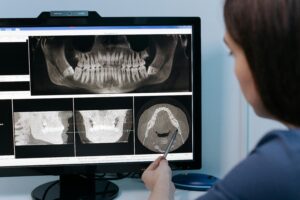
Jaw Pain: Causes & Relief
Discover the causes of jaw pain and effective relief strategies at Smile Science Dental Spa in Glendale, AZ,…
Read Article
TMJ Disorder: Causes & Treatments
Discover the causes, symptoms, and effective treatment options for TMJ disorder to find relief in Glendale, AZ. Take…
Read Article