
What is a Mouth Guard?
A mouth guard is a removable device that covers your teeth to absorb forces and protect oral tissues. Dentists use them for sports, to limit tooth wear from grinding, and for some jaw or airway therapies. They may be stock, boil‑and‑bite, or custom‑made in a dental office.
Common types and uses include:
- Sports mouthguards to reduce dental and lip injuries
- Night guards for clenching and grinding during sleep
- Stabilization splints for certain TMJ muscle symptoms
- Oral appliances prescribed for snoring or sleep apnea
Your child starts hockey next month and you worry about dental injuries. Well‑fitted sports guards help lower the risk of dentofacial trauma in contact and collision sports [1]. For athletes, customized guards are generally rated more comfortable than self‑adapted options, which often improves wear time [2].
Concerns about performance are common, but most studies report little to no negative effect on speed, strength, or agility when a guard fits properly [3]. For jaw muscle pain related to temporomandibular disorders, occlusal splints can be part of a noninvasive care plan and may reduce pain intensity in some patients [4]. To learn how nighttime appliances protect teeth, see our overview of night guards.
Picking the right device depends on age, sport or risk level, bite patterns, and symptoms. A brief exam helps decide thickness, material, and coverage so the guard is protective, breathable, and wearable. If you plan a fitting or adjustment, check our current hours. Joint care between dental and medical teams helps sustain long-term wellness.
Common Mouth Guard Uses
Mouth guards are used to protect teeth and soft tissues during sports, limit damage from clenching or grinding, support some jaw conditions, and help manage certain sleep-breathing issues. Your dentist selects the design and thickness to match the risk, your bite, and the goal of therapy. A well-fitted mouth guard should feel secure, allow easy breathing, and be simple to clean.
In sports, guards are common in contact and collision activities, but they also help in fast-paced noncontact play. You catch an elbow during a weekend basketball game. The guard cushions impact, helping shield teeth, lips, and cheeks, and it can cover braces so brackets and wires do not cut tissues. Coaches often encourage players to wear them consistently during practices and games.
For clenching or grinding during sleep, a guard creates a smooth, durable surface between your teeth. This can limit chip and crack risk, slow down enamel wear, and protect restorations like crowns or veneers. Because bruxism patterns vary, material and coverage are adjusted to spread force without irritating jaw joints. If your grinding has daytime triggers, explore other bruxism care options alongside night protection.
Some jaw disorders benefit from splints that steady the bite to reduce strain on muscles or joints. These appliances are different from sports guards, and they are adjusted during follow-up to match your symptoms. For snoring and certain sleep apnea cases, a mandibular advancement device holds the lower jaw slightly forward to help keep the airway open; medical screening and ongoing dental fit checks keep this therapy on track.
If you are unsure which approach fits your situation, a focused exam clarifies the choice and wear schedule. Coordinated care often leads to clearer days and calmer nights.
Types of Mouth Guards Explained
Mouth guards vary by how they are made and what they are meant to do. Broadly, options include over‑the‑counter stock trays, heat‑molded versions you shape at home, and dentist‑fabricated appliances. Designs also differ by purpose, such as sports protection, nighttime grinding control, jaw stabilization, or airway support.
Sports guards focus on impact absorption and coverage. You play weekend lacrosse and want protection without bulky plastic. Single‑arch guards are common and allow easy breathing; dual‑arch versions protect both arches but feel thicker. Some models attach to a helmet, while orthodontic styles accommodate braces to help prevent lip and cheek injury. Thicker multilayer guards are usually chosen for higher‑contact sports, while lighter versions suit lower‑risk play. A snug fit that stays put with gentle suction is the priority.
Nighttime appliances are built for sustained bite forces rather than hits. Soft liners can feel cushioned, rigid acrylic resists wear, and dual‑laminate designs balance comfort with durability. Your dentist may choose upper or lower arch coverage based on your bite and airway space. Flat‑plane stabilization splints aim to distribute force evenly and calm overactive jaw muscles. Repositioning or anterior bite appliances are more specialized, and they are adjusted carefully to avoid joint strain.
For snoring or certain sleep apnea cases, mandibular advancement devices hold the lower jaw slightly forward to help keep the airway open. Custom, titratable versions allow gradual adjustments and periodic fit checks. Because these appliances relate to breathing and sleep quality, they require medical diagnosis and coordinated follow‑up. To compare options, see our overview of oral appliances versus CPAP.
Material choice, thickness, and coverage should match your activity level, symptoms, and dental anatomy. Discuss whether you need impact damping, wear resistance, or jaw muscle support, then select the build approach that fits those goals. A well‑chosen mouth guard protects effectively and is comfortable enough to wear nightly or every practice. Prompt evaluation supports comfortable wear and restorative sleep.
Sports Mouthguard: Why You Need One
A sports mouthguard shields teeth and lips from impact during practices and games. It spreads and absorbs force so hits are less likely to chip, fracture, or dislodge teeth, and it helps prevent cuts to cheeks and gums. A well-fitted guard also covers braces to reduce soft‑tissue injury.
In simple terms, the guard works like a shock cushion. It fits closely over your teeth, stabilizes the jaw at contact, and directs energy into the material rather than into enamel and bone. Fit matters. A custom or well-molded guard stays put, allows normal breathing, and makes clear speech easier. A stray baseball takes an unexpected hop toward your mouth during practice.
Choose design by sport, level of contact, and age. Higher-contact play often benefits from thicker multilayer guards, while lighter, agile play can use slimmer designs that still cover the biting surfaces and front teeth. Orthodontic treatment changes tooth position, so plan periodic refits. Replace your guard if it feels loose, has tears or bite-through spots, or you have had recent dental work.
Daily care keeps it safe to use. Rinse before and after wear, brush it gently with a soft brush, and let it air-dry in a ventilated case. Avoid hot water, direct sunlight, and dashboard heat, which can warp the fit. Bring it to dental checkups for quick inspection and adjustments, especially before a new season.
If an injury happens, knowing first steps reduces stress. Read our guide on what to do in a dental emergency, then seek prompt care. Quick action can protect teeth and shorten recovery time. Prompt protection helps prevent injuries and keeps you in the game.
Bruxism Guard for Teeth Grinding
A bruxism guard is a custom appliance worn during sleep to shield teeth from clenching and grinding forces. It cushions contacts, spreads load across a smooth surface, and helps protect enamel, fillings, and crowns. It does not “cure” bruxism, but it reduces damage and often eases morning jaw soreness.
How it works is straightforward. The guard creates a stable, even platform so teeth glide instead of collide, which lowers peak bite stress on specific spots. Designs vary. Some are flat with slight front guidance to keep back teeth from heavy locking, while others incorporate canine guidance to steer side movements. Your dentist selects upper or lower coverage based on your bite, crowding, airway space, and any joint symptoms.
Who may benefit? People with chipping edges, cracked restorations, muscle tenderness on waking, or lines on the tongue or cheeks. You wake with jaw ache and chipped edges. Early wear can feel odd, and saliva may increase for a few nights, but most users adapt within one to two weeks. Small refinements to contact points are common to improve comfort and reduce muscle loading. Because bruxism has awake and sleep patterns, some patients also address daytime triggers and learn why grinding happens with our overview of teeth grinding causes and treatments.
Fit and follow-up matter more than thickness alone. A precise guard should feel snug without pressure spots, allow relaxed lip seal, and keep jaw motion smooth. Clean it daily with cool water and a soft brush, then air-dry in a ventilated case. Avoid hot water, which can distort the shape. Bring it to checkups for wear assessment, bite refinements, and replacement planning if you notice grooves or bite-through areas. If you snore loudly, feel unrefreshed, or have witnessed breathing pauses, tell your dentist; bruxism can co-occur with sleep-related breathing issues, and screening guides safe appliance choices.
Protecting teeth at night helps preserve structure and comfort over time. Prompt evaluation supports restorative sleep.
Night Guard vs Mouthguard: Key Differences
A night guard is built to handle grinding forces during sleep, while a sports mouth guard is designed to absorb hits during play. Night guards use smooth biting surfaces to spread load and protect enamel and restorations. Sports guards cushion impacts to teeth and lips, and prioritize breathability and stay-put retention. Because the goals differ, they are not interchangeable.
Materials and shapes reflect purpose. Night guards are usually harder or dual‑laminate so teeth glide instead of collide, reducing peak stress on specific spots. Sports guards are thicker at the front and along biting edges to dampen energy from balls, sticks, or contact. Coverage differs too. Sports styles often extend to shield lips and cheeks, while night guards focus on stable, even contacts across the teeth.
Fit and comfort guide selection. A night guard should feel snug, allow relaxed jaw motion, and keep chewing muscles quiet. A sports mouth guard should stay in place without clenching, let you breathe easily, and permit clear calls on the field. You clench at night but also play weekend soccer. Most people benefit from separate devices, one for sleep and one for sport, so each can do its job well.
Consider symptoms when choosing. If you wake with muscle soreness or joint clicking, your dentist may adjust a night guard to balance contacts and reduce strain; learn more about related jaw joint symptoms and care options. If you are mid-orthodontic treatment, a sports guard can be remade as teeth move. Replace either device if it loosens, cracks, or shows bite‑through areas. Bring guards to checkups for quick inspection and refinements so protection stays reliable.
The right appliance depends on your risks, habits, and bite. Thoughtful selection leads to better protection and calmer jaws.
Choosing a Custom Mouthguard
A custom mouthguard is selected by matching design, thickness, and material to your risks and bite. Your dentist evaluates sport level, grinding patterns, jaw comfort, and dental work, then uses scans or impressions to build a guard that seals, stays put without clenching, and allows easy airflow and clear speech.
You wear braces and play varsity basketball. During the exam, we review prior injuries, current orthodontics, restorations, and how your teeth meet. For higher-contact play, layered ethylene-vinyl acetate is often chosen for energy absorption; lower-risk activity may use slimmer profiles that still protect front teeth and biting edges. For sleep-related wear, more rigid surfaces help teeth glide, spreading load and limiting hot spots on enamel and crowns. Jaw position is kept neutral so chewing muscles can relax.
Fit is intentional. Gentle suction retention, smooth edges that do not irritate lips or tongue, and balanced contact points make the guard comfortable enough to wear every practice or night. Palatal and cheek-side coverage is trimmed to protect tissues while preserving breathing and speech. If you have braces, added space around brackets reduces rubbing, and periodic refits account for tooth movement.
Thickness is tailored to the task. Contact sports benefit from greater anterior thickness to dampen frontal blows, while grinders often need durable occlusal surfaces that resist grooves. Dual-laminate builds combine a firm biting platform with a cushioned liner, improving durability without feeling bulky. Your dentist will also consider airway space, joint symptoms, and any history of morning muscle soreness when selecting arch coverage.
Plan on follow-up. Bring the guard to checkups for wear mapping, edge smoothing, and bite refinements. Replace it if it loosens, warps from heat, or shows bite-through areas. Children and teens outgrow guards as teeth erupt and arches widen, so sizing is revisited each season. If snoring or unrefreshing sleep is part of your history, ask how clinicians screen for sleep-breathing issues; learn the basics in our overview of sleep apnea screening tools.
The right choice protects teeth, supports comfort, and fits your routine. Timely attention to airway habits guides better rest and development.
Understanding Boil and Bite Guards
Boil and bite guards are thermoplastic trays that soften in hot water, then mold to your teeth as they cool. They offer quick, at-home fit for basic protection during sports or as a temporary option for grinding. Because the material adapts to your bite, comfort and retention depend on how well you mold it.
The concept is simple. Heat softens the plastic, you seat it over your teeth, press gently with fingers and tongue, then cool to set the shape. If the water is too hot or the tray stays in too long, the material can thin or warp, which reduces protection and stability. You mold one at home the night before a weekend game. A proper result feels snug without pressure spots and lets you speak and breathe comfortably.
These guards are popular because they are accessible and can be remolded a limited number of times. However, fit can be inconsistent, especially if teeth are crowded, erupting, or covered by braces. Thickness is not always uniform after molding, so high‑impact areas may be less cushioned than intended. For heavy nighttime grinding, they often wear faster than dentist‑made appliances. If edges feel rough, careful trimming can help, but over‑trimming may affect retention.
Think of boil and bite as a starter or backup option. They are useful when you need protection quickly, or while waiting for a custom guard. Replace the guard if it loosens, tears, or after significant dental work that changes your bite. A brief dental check can verify coverage, smooth edges, and confirm that your jaw moves freely without irritation; learn how periodic visits support prevention in our guide on routine checkups. If you have frequent jaw pain, loud snoring, or intense grinding, ask whether a different appliance would better meet your goals. Thoughtful selection keeps protection reliable and comfortable.
Caring for Your Mouth Guard
Clean, dry, and well-fitted are the goals. Rinse your mouth guard after each use, gently brush it, then let it air-dry completely in a ventilated case. Keep it away from heat and harsh chemicals so the fit stays accurate. Bring it to dental visits for quick checks and adjustments.
Right after wear, rinse under cool running water to lift saliva and debris. Use a soft toothbrush with mild liquid soap or a nonabrasive cleanser; regular toothpaste can scratch plastic and invite buildup. Once a week, do a deeper clean with a non-bleach appliance solution or a 1:1 mix of white vinegar and water, then rinse well. Dry fully before storing, since trapped moisture encourages odor and biofilm. You toss your guard in a gym bag after practice. That warm, closed space can warp plastic and contaminate it, so use a ventilated case and avoid car dashboards, dishwashers, and hot water.
Watch for signs it needs attention. A musty smell, cloudy film, or slimy feel suggests biofilm; step up cleaning and drying. Rough edges, cracks, or bite-through spots can irritate cheeks and gums and reduce protection. If it feels loose, rocks on your teeth, or no longer resists a gentle tug, the fit may be compromised. Boil-and-bite styles can sometimes be remolded a limited number of times, but repeated heating thins the material. Do not share guards, and replace them after an illness once cleaned thoroughly. Pets love to chew them, so keep the case out of reach.
Life changes should prompt a recheck. Orthodontic movement, new fillings or crowns, or changes in jaw symptoms can alter how a guard sits and functions. Bring the device to your next appointment for wear mapping, edge smoothing, and bite refinements. If you notice sore spots, clicking joints, or morning muscle fatigue, tell your dentist so the plan can be adjusted. Consistent care keeps your guard clean, safe, and ready.
When to Replace Your Mouth Guard
Replace your mouth guard when the fit loosens, the material cracks or tears, or you can see bite‑through spots. Plan a remake after dental changes such as new fillings, crowns, orthodontic movement, or tooth loss. Children and teens often need more frequent updates because teeth erupt and jaws grow. Persistent odor or staining after thorough cleaning also signals it is time.
Wear changes shape and strength. Impacts compress sports guard material over time, and repeated grinding flattens or grooves night guards. As coverage thins, shock absorption and tooth protection drop. During a scrimmage, you notice a split near your molars. Small defects can harbor biofilm and irritate cheeks or gums, so early replacement keeps use safe and comfortable.
Look closely at high‑stress areas. For sports, watch the front and biting edges for tears, waves, or a shiny, thinned surface. Boil‑and‑bite styles can deform from heat or repeated remolding, which reduces thickness and retention. For nighttime appliances, check for deep tracks, perforations, or a rocking feel when seated. If morning jaw soreness returns, or a tooth chips despite regular wear, the guard may no longer distribute force well.
Timing also depends on age and activity. Young athletes may outgrow a season’s guard as arches widen. Braces require periodic refits as teeth move. Heavy grinders can mark or perforate rigid guards faster than light clenchers, so replacement is based on visible wear rather than a fixed calendar. After dental work that changes your bite, a quick evaluation confirms whether adjustment, remolding, or a new build is best.
Hygiene matters. A musty smell, cloudy film, or rough edges that trap debris are hard to correct once the surface deteriorates. Consistent cleaning helps, but when sanitation or fit remains poor, replacing the guard protects your mouth and supports steady use. If you are unsure, bring the guard to your next visit so we can map wear, verify coverage, and plan the right next step. Small checks now prevent bigger problems later.
Benefits of Using a Mouth Guard
Wearing a mouth guard protects teeth and soft tissues from damage during sport or sleep. It cushions contacts, spreads biting forces, and helps prevent chips, fractures, and lip or cheek injuries. With the right fit, it is comfortable to wear, easy to breathe with, and simple to keep clean.
The main benefit is impact and force control. In sports, a guard absorbs and disperses energy so hits are less likely to harm enamel or cut tissues. For clenching or grinding, a smooth biting surface reduces peak stress on specific teeth and helps shield fillings, crowns, and veneers. Because protection depends on consistent wear, comfort and retention are essential, especially for young athletes and busy adults.
There are day-to-day advantages too. Guards can reduce sore spots from braces by separating wires and brackets from cheeks and lips. By minimizing cracks and wear, they help you keep existing dental work stable longer, which means fewer unplanned visits for repairs. For some jaw muscle symptoms, a stabilization-style appliance can calm overuse by guiding more even contact. For a child in soccer, it can mean finishing a season without a chipped tooth.
Good fit multiplies these benefits. A guard that stays in place without clenching lets you speak clearly and maintain normal breathing, which encourages reliable use through games and entire nights. Material and thickness are matched to your risk level, so high-contact play gets more front cushioning, while heavy grinders benefit from durable biting surfaces that resist grooves. Small adjustments over time keep edges smooth, contacts balanced, and protection steady.
Practical care supports long-term value. Rinsing and brushing after use, letting it air-dry, and storing it in a ventilated case preserve fit and cleanliness. Plan refits as teeth move, and replace the device if it loosens, cracks, or shows bite-through areas so protection does not drop off. If your needs change, such as starting a contact sport or noticing morning jaw fatigue, a quick evaluation ensures your appliance still matches your goals. Thoughtful selection and steady upkeep turn a simple device into dependable protection.
Frequently Asked Questions
Here are quick answers to common questions people have about Mouth Guards Explained in Glendale, AZ.
- What are the different types of mouth guards?
Mouth guards come in three main types: stock, boil-and-bite, and custom-made. Stock guards are ready-to-wear but often bulky. Boil-and-bite guards are shaped at home using hot water for a semi-custom fit. Custom-made guards are crafted by a dentist to fit your mouth precisely, offering the best comfort and protection. The choice depends on your specific needs, such as protection level, comfort, and budget.
- How do I clean my mouth guard properly?
Cleaning your mouth guard helps it last longer and stay hygienic. After each use, rinse it under cool water. Use a soft toothbrush with mild soap, avoiding toothpaste as it can scratch the surface. Let it air-dry completely before storing it in a ventilated case. Once a week, consider a deeper clean using a non-bleach solution or a vinegar-water mix.
- Why should I consider a custom-made mouth guard?
A custom-made mouth guard offers several advantages. It is specifically designed to fit the contours of your mouth, providing optimal comfort and protection. It is less likely to shift or fall out, allowing for easier breathing and speaking. It’s ideal for those involved in high-contact sports or with specific dental needs, such as braces or extensive dental restorations.
- Can a mouth guard help with snoring?
Yes, certain types of mouth guards, known as mandibular advancement devices, can help with snoring. They work by holding the lower jaw slightly forward, keeping the airway open during sleep. These devices often require a medical diagnosis and periodic dental adjustments to ensure effectiveness and comfort.
- What are the signs that I need to replace my mouth guard?
You should replace your mouth guard if it becomes loose, has visible cracks or tears, or shows bite-through spots. Changes in dental work, like new fillings or orthodontic movements, can also require a new guard. Unpleasant odors or staining after cleaning are other signs that a replacement may be necessary.
- How can mouth guards prevent dental injuries in sports?
Mouth guards protect by absorbing and distributing the force of impacts during sports. This reduces the likelihood of chipped or broken teeth, and soft tissue injuries to the lips and cheeks. Their cushioning effect helps minimize the risk of serious dental injuries, making them essential for both contact and non-contact sports.
- Do mouth guards fit well over braces?
Mouth guards for braces are designed to accommodate brackets and wires while protecting teeth and soft tissues. They ensure a snug fit without applying pressure that could interfere with orthodontic treatment. It’s important to get a guard that offers enough room for braces to prevent rubbing and irritation.
- What benefits do mouth guards offer for teeth grinding?
Mouth guards for teeth grinding, also called bruxism guards, provide a smooth surface that prevents direct tooth contact. This helps reduce wear on enamel, protects dental restorations, and can alleviate jaw soreness in the morning. Though they don’t stop grinding entirely, they significantly limit damage and support comfort.
References
- [1] Impact of mouthguards on the prevention of dentofacial injuries and sports performance among athletes: An umbrella review. (2025) — PubMed:40586455 / DOI: 10.4103/jisppd.jisppd_55_25
- [2] A comprehensive systematic review and meta-analysis comparing the comfort level of customized mouthguards to self-adapted mouthguards in athletes. (2025) — PubMed:40298181 / DOI: 10.3290/j.qi.b6184319
- [3] Influence of wearing mouthguards on performance among athletes: A systematic review. (2023) — PubMed:37524627 / DOI: 10.1016/j.jsams.2023.07.006
- [4] The hierarchy of different treatments for myogenous temporomandibular disorders: a systematic review and network meta-analysis of randomized clinical trials. (2022) — PubMed:34674093 / DOI: 10.1007/s10006-021-01009-y
Ready for a Healthier Smile?
Our team at Smile Science Dental Spa in Glendale, AZ is here to help. Schedule a consultation to explore your options.
You Might Also Like
Oral Hygiene: Daily Tips
Discover essential oral hygiene tips for healthier teeth in Glendale, AZ, and enhance your daily dental care routine…
Read Article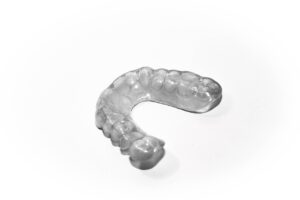
Mouth Guards Explained
Learn about mouth guards and their various uses for protection and comfort in Glendale, AZ, and discover how…
Read Article
How to Brush Your Teeth Correctly
Discover proper brushing techniques for healthy teeth and improve your oral hygiene in Glendale, AZ with our helpful…
Read Article