
Understanding Tooth Loss Causes
Most adult tooth loss happens for two reasons: advanced gum disease and deep, untreated tooth decay. Other contributors include severe fractures, dental trauma, and teeth that cannot be restored after repeated procedures. In short, the most common tooth loss causes are preventable when problems are found early.
Here is how it develops. With gum disease, bacteria trigger inflammation that slowly destroys the ligament and bone holding teeth, leading to loosening and shifting. With decay, acids dissolve enamel and dentin until the cavity reaches the nerve, causing infection that may require extraction if the tooth cannot be saved. After years of bleeding gums, a front tooth feels loose while eating.
- Periodontitis: chronic inflammation breaks down supporting bone and attachment.
- Extensive caries: deep decay reaches the nerve and root tips.
- Cracks or vertical root fractures: often unrestorable once the root splits.
- Trauma: avulsion, severe chips, or blows during accidents or sports.
- Failed or exhausted restorations: large fillings or posts can weaken tooth structure.
- Bruxism and clenching: repetitive forces create microfractures and wear.
- Dry mouth from medications or illness: reduced saliva raises cavity risk.
- Smoking and poorly controlled diabetes: accelerate periodontal breakdown.
Knowing the pathway points to prevention. Bleeding gums, lingering sensitivity, or a chipped cusp are early warning signs worth checking soon. If you want a deeper look at how gum disease advances, see our overview of the stages of periodontal breakdown. Joint care between dental and medical teams helps sustain long-term wellness.
Common Tooth Loss Reasons
The most common tooth loss causes fall into two groups: breakdown of the supporting tissues and damage to the tooth that cannot be predictably repaired. Other contributors include sudden injuries and medical or lifestyle factors that weaken enamel or reduce saliva. Understanding which category you face helps guide a focused plan.
Here is how these problems develop over time. Sticky plaque harbors bacteria, which can inflame gums and gradually erode the ligament and bone that hold teeth firm. Separately, frequent sugars and acids, especially with low saliva, create a cycle of demineralization that opens cavities on enamel and roots. Heavy bite forces, prior large restorations, and chewing hard items increase the risk of cracks that split teeth beyond repair. A back tooth cracks on a popcorn kernel. Acid erosion from reflux or daily acidic drinks can thin enamel, making decay and fractures more likely. In certain cases, even teeth used to support overdentures can be lost without meticulous hygiene and follow-up care [1].
Because losses rarely have a single cause, prevention stacks small advantages. Regular cleanings and exams catch early attachment changes and small cavities before they spread. Tailored steps like fluoride for dry mouth, diet timing to limit acid attacks, and a night guard for clenching reduce cumulative stress on teeth. Tooth loss also tracks with broader health risks, including a higher occurrence of oral cancer in pooled studies, which underscores the value of consistent dental evaluation [2]. For home strategies that lower decay risk, see our guide to practical decay-prevention steps.
When treated early, saving natural teeth is often achievable.
Impact of Gum Disease on Tooth Loss
Gum disease, especially periodontitis, weakens the bone and ligament that hold teeth. As support is lost, teeth loosen and may eventually come out on their own or require extraction. Among tooth loss causes, periodontitis is a leading factor in adults.
Here is what happens. Bacterial plaque along the gumline triggers inflammation that breaks down collagen and the bone around roots. Deepened pockets shelter more aggressive bacteria, which accelerates attachment loss and mobility. Smoking and poorly controlled diabetes speed this process and make treatment harder [3]. Gingivitis is reversible, and controlling plaque at home plus professional care can keep it from progressing to periodontitis [4]. Chewing steak, a molar shifts and food collects under the gum. If you are planning a visit, check our current hours.
What you might notice over time are puffy or receding gums, spaces opening between teeth, longer-looking teeth, bad breath, or chewing discomfort. Timely periodontal therapy reduces inflammation; routine dental scaling and polishing support plaque control and lower bleeding, which helps stabilize gum health between deeper treatments when needed [5]. For a practical overview of treatment choices for gum disease, see our guide to periodontal care options. Prompt evaluation supports long-term tooth stability.
How Trauma Contributes to Tooth Loss
Trauma can loosen, break, or knock out teeth, and it can also damage the tissues that keep teeth alive. Injuries range from chipped enamel to deep fractures or complete avulsion. When the ligament, bone, or nerve is severely harmed, the tooth may be lost immediately or fail months later. Among tooth loss causes, traumatic injuries are a distinct pathway that often needs urgent care.
A soccer ball strikes a front tooth at high speed. Force can tear the periodontal ligament, bruise the pulp, or crack the root. Avulsed teeth dry out quickly, which harms cell survival; keeping the tooth moist in milk or saliva and seeking care right away improves the chance to save it. Some teeth that are pushed out of position or intruded back into bone can be repositioned and stabilized, but delayed pulp death or resorption may still lead to loss. Vertical root fractures and severe crown‑root splits are typically unrestorable, which is why careful assessment after any blow matters.
Short‑ and long‑term steps both influence outcomes. In the moment, control bleeding, avoid touching the root, and protect the area from further force. Early splinting, timely root canal therapy when indicated, and follow‑up testing of nerve health help preserve teeth that look stable at first. Because late complications are common, scheduled checks and x‑rays over several months are important. For immediate guidance on what to do after an injury, see our overview of dental emergency actions.
Prevention reduces risk in sports and daily life. Well‑fitted mouthguards lower dental injury rates in contact and wheeled sports. Buckling seat belts, avoiding opening packages with teeth, and not chewing hard objects all lessen sudden stress on enamel and roots. If a tooth has been injured, prompt evaluation can mean the difference between keeping it and replacing it. Swift, appropriate care preserves smiles after accidents.
Learn what to expect from root canal therapy and recovery.
Save the tooth, relieve the pain.
The Role of Decay in Tooth Loss
Tooth decay can lead to tooth loss when acids from dental plaque dissolve enamel and dentin, creating cavities that spread. As decay advances, it can reach the nerve, cause infection, and weaken the tooth so much that repair is no longer predictable. In some cases, even with treatment, the remaining structure cannot support a long-term restoration.
Here is the path. Bacteria feed on sugars and release acids that tip the mouth toward demineralization. Frequent snacking and sipping, low saliva, and deep grooves or exposed roots make the process faster. Sipping soda all afternoon, a small cavity deepens quietly. Early decay may be painless, but once the cavity grows, it can create sensitivity to sweets or cold, then severe pain if the pulp becomes inflamed or infected. Infection at the root tip can lead to swelling, bone loss around the root, and sometimes a draining abscess.
Decay also undermines strength. Cavities can hollow out a cusp from the inside, leading to sudden fracture while chewing. Recurrent decay around old fillings or crowns widens margins and loosens the seal, which accelerates breakdown. When too much tooth is lost, or a crack runs below the gumline, restoration may not hold up. In these cases, the decision turns on how much healthy tooth remains, whether the nerve and supporting tissues can heal, and the long-term risk of re-decay in the area.
Because decay grows quietly, detection matters. Regular exams and bitewing x‑rays reveal hidden cavities between teeth before they spread. Daily fluoride exposure, spacing meals to reduce acid attacks, and saliva support for dry mouth lower risk. If a small cavity is found early, a conservative restoration can often stop the process and protect the tooth; see how a cavity is filled for a simple walkthrough. In the set of tooth loss causes, decay is often the most silent, which is why timely care helps preserve natural teeth.
Prompt evaluation preserves comfort and keeps options open.
Signs of Potential Tooth Loss
Warning signs often show up before a tooth is lost. Common clues include a tooth that feels loose, a bite that suddenly changes, or a small gum “pimple” that drains near a single tooth. Ongoing bad taste, pain when releasing after a bite, or swelling that comes and goes can also signal trouble.
Changes in the supporting tissues are key signals. Worsening mobility, bleeding or pus from deep gum pockets, and new spaces forming between teeth suggest active periodontal breakdown that raises the likelihood of tooth loss [6]. Biologic markers of inflammation, such as elevated salivary MMP‑8, are linked with periodontal disease activity, which mirrors what you can see as red, tender, or easily bleeding gums [7]. Brushing and noticing a tender bump on the gum is a sign to get checked soon.
Tooth-centered signs matter too. Sharp pain on chewing or on release, temperature sensitivity that lingers, and a cusp that suddenly breaks point toward cracks or deep decay that can compromise restorability. A recurrent pimple on the gum over one tooth often indicates a draining endodontic infection rather than a surface gum issue. Because these problems can look similar on the surface, clinical tests and x‑rays help separate treatable issues from those that carry a higher risk for loss. If bleeding is a frequent finding during home care, this short guide explains why gums bleed and what helps.
Systemic factors can amplify local signs. Persistent dry mouth with rapid new cavities, especially on root surfaces, increases risk; individuals with Sjögren disease, a severe dry mouth condition, experience a higher burden of tooth loss in pooled research [8]. If you notice several of these changes at once, a prompt evaluation can clarify which tooth loss causes are at play and which steps can stabilize your mouth. When treated early, teeth often remain stable for years.
Tooth Replacement Options After Loss
After a tooth is lost, common replacements include a dental implant and crown, a fixed bridge that uses neighboring teeth for support, a removable partial denture, or a full denture when many teeth are missing. The right choice depends on your goals, oral health, bone support, and the location of the gap.
A back molar is extracted after a deep crack. An implant replaces the root and holds a crown; this avoids shaping the adjacent teeth and helps preserve biting support. For full arches, implant overdentures can add stability compared with traditional dentures. Selection also depends on your health, bone quality, and the tooth loss causes involved. Planning the number and position of implants, as well as how your bite loads them, influences long‑term success [9].
Fixed bridges fill a single‑tooth space by crowning the teeth on either side and suspending a false tooth between them. This can be a good option when those neighbors already need crowns, or when implant placement is not advisable. Removable partial dentures use clasps and a base to replace several missing teeth and are often a lower‑invasiveness solution, though they require daily removal and cleaning. If you are weighing a single‑tooth gap, this comparison can help you compare bridges and implants. When a compromised tooth can be treated predictably, preserving it may be cost‑effective compared with extraction and implant placement in some severe periodontal cases [10].
Timing matters too. In certain cases, early replacement helps maintain gum shape and function; in others, short healing periods or bone grafting are recommended first. Any option benefits from steady home care and regular checks to protect the surrounding teeth and gums. If you are unsure where to start, a focused exam and bite assessment will clarify which path best supports chewing, speech, and long‑term comfort. Thoughtful planning helps you chew comfortably and smile with confidence.
Preventing Tooth Loss Through Care
Tooth loss is largely preventable with steady home care, regular dental visits, and early treatment of small problems. The essentials are simple: disrupt plaque each day, manage diet and dry mouth, and follow a personalized maintenance plan that fits your risk.
A hectic month passes, and gum tenderness creeps back. Plaque that is not fully removed irritates gums and can quietly erode the bone and ligament that hold teeth. Supportive periodontal care at tailored intervals reduces inflammation and helps keep teeth stable over time [11]. Your consistency matters too; sticking with the recommended maintenance schedule is associated with better stability around both natural teeth and implants [12]. If you want a deeper look at why timing and exams matter, see why routine dental checkups protect oral health.
Decay prevention works by tipping the balance toward remineralization. Brushing twice daily with fluoride toothpaste strengthens enamel, while cleaning between teeth removes the plaque that fuels cavities in hard‑to‑reach spots. Spacing meals and limiting frequent sipping gives saliva time to neutralize acids. If your mouth feels dry, ask about ways to support saliva and extra fluoride exposure. For people who grind, a well‑fitted night guard can reduce bite stress that contributes to cracks and restorations failing. Small, targeted steps add up when practiced consistently.
Your medical history also plays a role. Smoking slows healing and worsens gum breakdown. Better blood sugar control helps gums respond to care. Medication reviews can uncover causes of dryness or acid changes that raise risk, so share updates at each visit. When risk factors change, your maintenance plan should change too, whether that means different cleaning tools, a refined recall interval, or additional in‑office prevention.
Prevention keeps options simple. Catching early changes usually means shorter visits, fewer procedures, and stronger long‑term tooth support. Steady habits and timely checkups protect your smile for the years ahead.
Maintaining Oral Health to Avoid Tooth Loss
Strong daily habits and regular checkups protect gums and teeth, which reduces the risk of losing them. Focus on removing plaque thoroughly, limiting acid exposure, and following a maintenance plan that fits your personal risk. Consistent habits often prevent small issues from becoming complex problems.
Start with precise plaque control. Angle the toothbrush toward the gumline and clean every surface for two minutes, twice daily. Clean between teeth once a day; choose the tool you can use well, such as floss, interdental brushes, or a water flosser. Around bridges, implants, and under wires, add specialty threaders or small brushes to reach hidden plaque. Rinsing after brushing can wash away concentrated toothpaste fluoride, so spit and leave a thin film to strengthen enamel.
Next, tip the balance toward remineralization and lower acid hits. Brush with fluoride toothpaste morning and night, and ask about professional fluoride if you have frequent cavities. Space meals and drinks so saliva can neutralize acids; water and sugar‑free gum after snacks help. If you have reflux or enjoy acidic beverages, wait about 30 minutes before brushing to avoid scrubbing softened enamel. Rushing out the door, you skip flossing for a week; tartar builds where the brush cannot reach.
Maintenance is also about monitoring and adjustment. Your recall interval should match your risk, which may change with stress, medications, or medical conditions. Track simple signs at home, such as bleeding when brushing or new food trapping, and share updates at visits. Keep retainers, night guards, and removable partials clean each day so they do not hold bacteria against gums and teeth. These steps address the most common tooth loss causes without complicated routines and keep future treatment options simpler. Thoughtful maintenance supports comfort, function, and a stable smile over time.
When to Seek Help for Tooth Loss
Seek dental help immediately for a knocked‑out tooth, rapid swelling, uncontrolled bleeding, or severe pain. Call promptly if a tooth feels newly loose, your bite shifts, or you notice a gum pimple or bad taste near one tooth. Even without pain, these changes can signal active disease or structural damage that needs timely care.
Signs that warrant urgent attention include facial swelling, trouble opening your mouth, fever, or pain that interrupts sleep. These symptoms can indicate spreading infection that may affect nearby tissues. A cracked tooth that hurts when you release after biting, or temperature sensitivity that lingers, often needs fast evaluation to preserve remaining structure. Because tooth loss causes vary, timing depends on the pattern you notice, but new mobility or drainage usually means do not wait.
Schedule a prompt visit if a filling or crown comes off, a cusp breaks, or food begins trapping in a new spot. These changes can stress neighboring teeth and gums, increasing the risk of fractures or deeper decay. If a tooth feels high when you close, the altered bite can overload that area and should be adjusted soon to prevent further damage. A simple check can clarify whether the problem is gum‑related, nerve‑related, or a restoration issue.
After an extraction or unexpected tooth loss, early follow‑up protects long‑term function. Short‑term options to maintain space and gum shape can make future treatment smoother. Your dentist can also review habits, saliva support, and bite forces that may have contributed, then adjust your maintenance plan to lower future risk. One busy week, a small chip turns into a painful crack; calling sooner often keeps choices open.
If you are unsure whether to wait or come in, err on the side of a quick call. A brief conversation can triage the situation and set the right timeline for care. Prompt evaluation keeps more options on the table.
Frequently Asked Questions
Here are quick answers to common questions people have about Tooth Loss: Common Causes in Glendale, AZ.
- What is the main cause of tooth loss in adults?
Periodontitis, a severe form of gum disease, is the main cause of tooth loss in adults. It involves inflammation that destroys the bone and ligament supporting the teeth, causing them to loosen and possibly fall out. Factors like smoking and uncontrolled diabetes can worsen gum disease, leading to quicker tooth loss. Regular dental checkups and good oral hygiene can help detect and treat gum disease early, preventing it from progressing to a point where tooth loss occurs.
- How does untreated tooth decay lead to tooth loss?
Untreated tooth decay can progress deep into the tooth, affecting the nerve and root. This can cause infection, and the tooth structure becomes too weak to support a restoration. The decay process involves bacteria eating away at the enamel and dentin, facilitated by sugar and acid exposure. Even with some treatment, if too much of the tooth is compromised, it may not be restorable, leading to extraction.
- Can tooth loss result from dental trauma?
Yes, dental trauma can cause tooth loss. Injuries from accidents or sports can lead to teeth being loosened, broken, or knocked out. Damage to the tooth’s supporting tissues or nerve can result in tooth loss either immediately or over time. For immediate tooth preservation, keeping the tooth moist and seeking quick dental care is crucial.
- What role does dry mouth play in tooth loss?
Dry mouth increases the risk of tooth loss because saliva helps protect teeth from decay by neutralizing acids. Without sufficient saliva, the risk of cavities rises, especially around the gums and tooth roots. This condition can be caused by medications or illnesses, making it important to address dry mouth with enhanced oral care. Regular dental checkups can help manage this condition before it leads to severe decay and potential tooth loss.
- Why is regular dental care important for preventing tooth loss?
Regular dental care is crucial because it helps detect early signs of gum disease or tooth decay. This allows for timely intervention, preventing these issues from leading to tooth loss. Early treatment of small problems like cavities or gum inflammation helps preserve natural teeth. Dental exams also help monitor oral health changes, ensuring that oral hygiene practices are effective in maintaining a healthy mouth.
- What are signs that a tooth might be at risk of falling out?
Signs that a tooth may be at risk of falling out include looseness, sudden changes in bite, pockets of pus near the gumline, gum recession, tooth pain, and persistent sensitivity. Bad breath or a constant bad taste near a tooth can also indicate potential issues. These symptoms suggest structural or periodontal problems that require prompt dental evaluation to prevent tooth loss.
- How can lifestyle choices affect tooth loss risk?
Lifestyle choices like smoking and poor diabetes management can significantly increase the risk of tooth loss. Smoking contributes to gum disease progression, while uncontrolled diabetes can lead to faster periodontal breakdown. Additionally, frequent intake of sugary or acidic foods without adequate oral hygiene can enhance decay risk. Adopting healthy habits and regular dental visits help mitigate these risks.
- Does gum disease affect multiple teeth or just one?
Gum disease typically affects multiple teeth because it involves the gums and supportive tissues rather than just individual teeth. As bacteria spread along the gumline, they can weaken the attachment of multiple teeth. Without treatment, the disease can progress to periodontitis, affecting several teeth and leading to widespread tooth looseness and loss. Consistent oral care and professional cleanings help curb its progression.
References
- [1] Loss of natural abutment teeth with cast copings retaining overdentures: a systematic review and meta-analysis. (2018) — PubMed:29891420 / DOI: 10.1016/j.jpor.2018.05.002
- [2] Association between tooth loss and risk of occurrence of oral cancer – A systematic review and meta-analysis. (2023) — PubMed:36820141
- [3] Interaction of lifestyle, behaviour or systemic diseases with dental caries and periodontal diseases: consensus report of group 2 of the joint EFP/ORCA workshop on the boundaries between caries and periodontal diseases. (2017) — PubMed:28266114 / DOI: 10.1111/jcpe.12685
- [4] Primary prevention of periodontitis: managing gingivitis. (2015) — PubMed:25639826 / DOI: 10.1111/jcpe.12366
- [5] Benefits of Dental Scaling and Polishing in Adults: A Rapid Review and Evidence Synthesis. (2025) — PubMed:39382084 / DOI: 10.1177/23800844241271684
- [6] Relevance of Prognosis Tools in Periodontitis: A Systematic Review. (2025) — PubMed:41328918 / DOI: 10.3290/j.ohpd.c_2387
- [7] Evaluating salivary MMP-8 as a biomarker for periodontal diseases: A systematic review and meta-analysis. (2024) — PubMed:39641024 / DOI: 10.1016/j.heliyon.2024.e40402
- [8] Burden of tooth loss in individuals with Sjögren disease: a meta-analysis and meta-regression. (2025) — PubMed:40441287 / DOI: 10.1016/j.jdent.2025.105845
- [9] Implant Bio-mechanics for Successful Implant Therapy: A Systematic Review. (2020) — PubMed:33437702 / DOI: 10.4103/jispcd.JISPCD_138_20
- [10] The cost-effectiveness of tooth preservation vs implant placement in severe periodontal disease patients: a systematic review. (2024) — PubMed:37823844 / DOI: 10.3290/j.qi.b4500025
- [11] Long-term clinical benefits of periodontal interventions in strict supportive periodontal care: A systematic review. (2025) — PubMed:41251445 / DOI: 10.1002/jper.70027
- [12] Does Patient Adherence Influence the Ability of Supportive Periodontal Therapy to Maintain Stability Around Teeth and Dental Implants – A Systematic Review. (2025) — PubMed:41114452 / DOI: 10.3290/j.ohpd.c_2314
You Might Also Like
Tooth Replacement Options
Explore various tooth replacement options to restore your smile and functionality, available at Smile Science Dental Spa in…
Read Article
Tooth Loss: Common Causes
Discover the common causes of tooth loss and how to prevent them at Smile Science Dental Spa in…
Read Article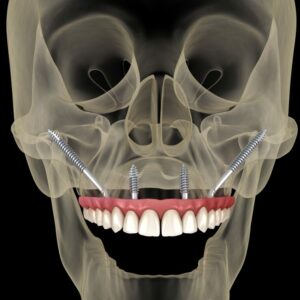
Zygoma Implants: A Definitive Guide
Reviewed by Richard Dawson, DMD — General & Implant Dentist, ICOI Fellow, Smile Science Dental Spa What Are…
Read Article