
What is an Emergency Dentist?
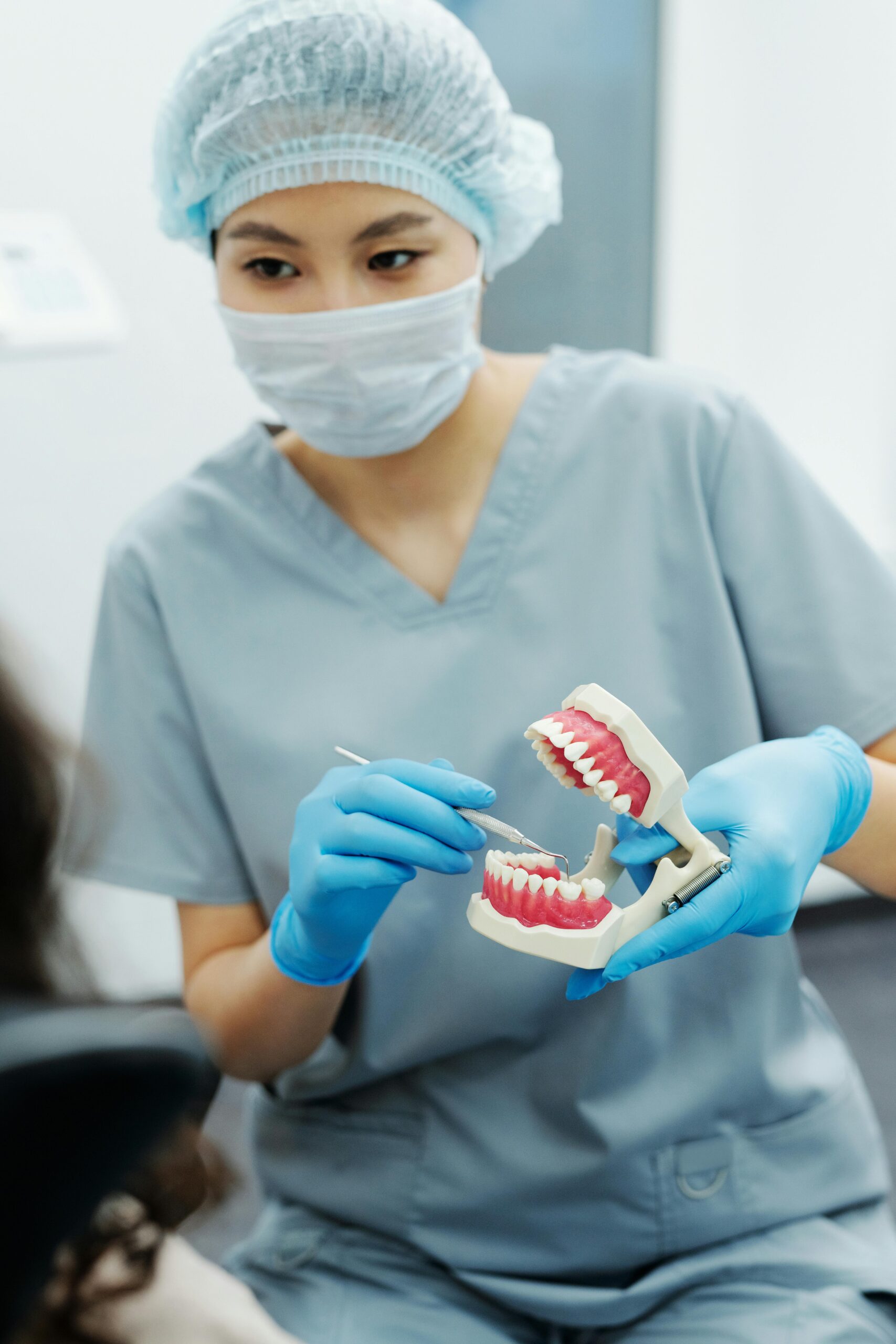
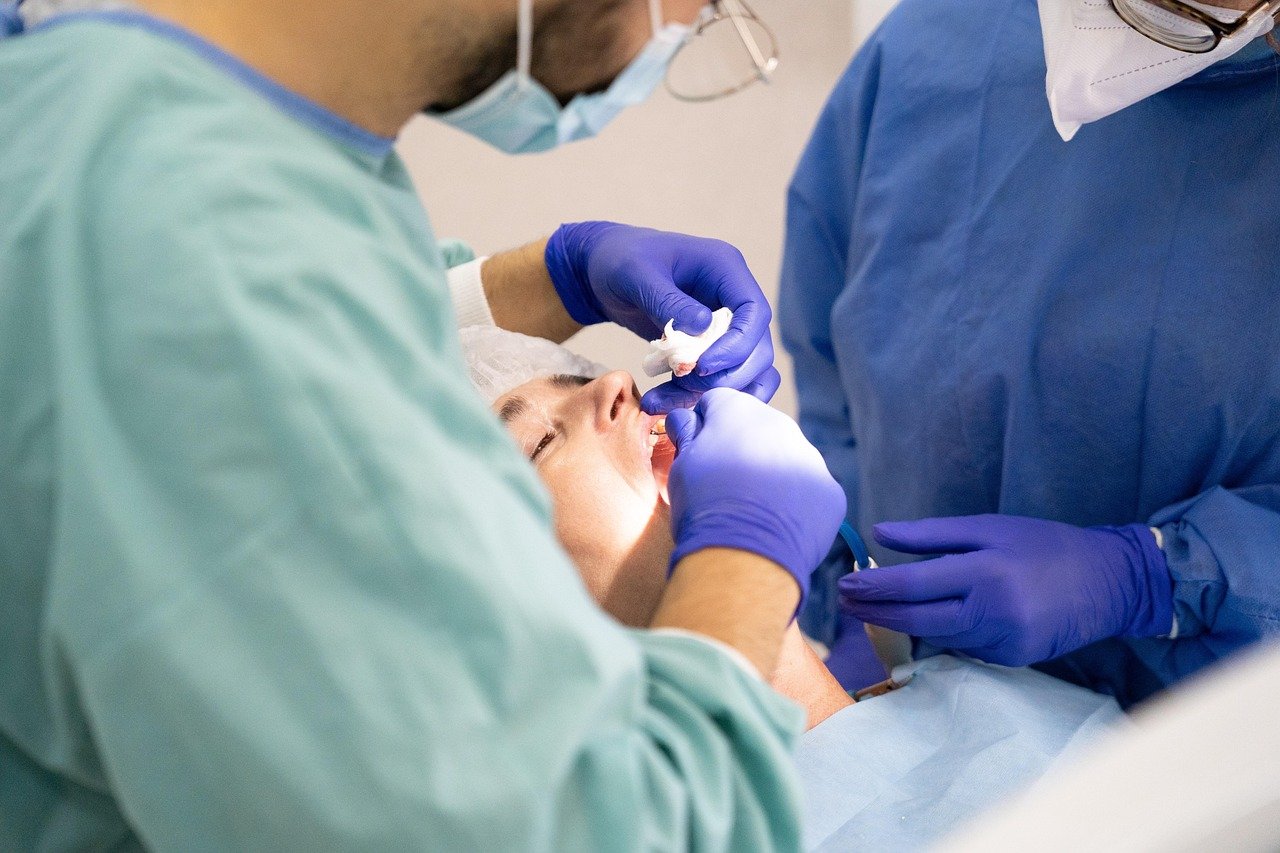
An emergency dentist is a general dentist who focuses on urgent problems of the teeth, gums, and jaw. They quickly evaluate pain, infection, bleeding, or injuries, then stabilize and treat the area. Many offices offer same-day care; check our current hours.
A child chips a front tooth during a game. In situations like this, an emergency dentist triages your concern, relieves pain, and reduces risks to the tooth and surrounding tissues. They may take X‑rays, numb the area, smooth sharp edges, place a protective temporary filling, or recement a loose crown. When needed, they start definitive care such as nerve calming procedures, drain a localized abscess, or splint a loosened tooth. You will also get clear home instructions and a plan for follow-up care.
Because dental issues can worsen quickly, timely care matters. Most emergency visits aim to control symptoms and preserve teeth whenever possible. If a condition requires a specialist or hospital, your dentist will coordinate the next step. Common reasons to see an emergency dentist include:
- Severe toothache or sensitivity that disrupts sleep or eating
- Facial or gum swelling near a tooth
- Broken, cracked, or knocked-out tooth
- Lost filling, crown, or veneer causing pain or sharp edges
- Dental trauma from sports or accidents
- Persistent bleeding after a dental procedure
If you are searching for a glendale emergency dentist, early evaluation can limit complications and protect your smile. For quick steps before you arrive, see our guidance on handling a dental emergency. Prompt evaluation supports faster, safer relief.
Signs You Need a Glendale Emergency Dentist
See a glendale emergency dentist if you have severe dental pain, facial swelling, fever with a toothache, or bleeding that will not slow. Trouble swallowing, a tooth that was knocked out, or a jaw that will not open normally are also urgent signs. If you are unsure, call for guidance; waiting can raise risks.
You wake at night with a puffy cheek and a bitter taste. Swelling near a tooth, warmth, or drainage can indicate infection. If the swelling spreads toward the eye, floor of the mouth, or throat, or you develop fever or feel unwell, the situation may be progressing. Limited mouth opening, known as trismus, or pain on swallowing suggests deeper irritation. These patterns signal the need for prompt dental assessment.
Persistent, throbbing toothache often points to nerve inflammation inside the tooth. Pain that lingers after cold or heat, wakes you from sleep, or worsens with chewing is different from brief sensitivity. A cracked tooth, a deep cavity, or a failing old filling can trigger this type of pain. Early care can calm the source and help preserve the tooth.
Trauma is another clear signal. A permanent tooth that is completely knocked out requires immediate action, as time is critical. Place it back in the socket if you can, or keep it in milk, and head in. A broken tooth with sharp edges, a crown that suddenly comes off, or a filling that exposes sensitive dentin also warrants urgent attention to protect the inner tooth and soft tissues. While short-term measures may ease discomfort at home, see our practical toothache relief steps if you need help before your visit.
After-hours concerns can be stressful, but clear signs help you act quickly and safely. If something feels off and is getting worse, err on the side of calling the office for same-day guidance. Coordinated care often leads to clearer days and calmer nights.
Finding Urgent Dental Care in Glendale
For urgent dental issues in Glendale, call a local dentist and state that you need a same-day evaluation. Most practices can triage by phone and reserve time for emergencies. Hospital emergency rooms handle life‑threatening problems, but a dental office is usually the fastest place for tooth pain, broken teeth, or localized swelling. Clear communication helps you get the right care quickly.
A crown cracks at lunch before an evening flight. Call the office first and briefly describe your symptoms, where the problem is, and when it started. Mention fever, facial swelling, recent dental work, allergies, and medications. Ask about safe steps before you arrive, and confirm directions and parking. Bring a photo ID and any dental records you have.
To locate a provider fast, search for “glendale emergency dentist,” then check responsiveness in recent reviews and whether the practice treats trauma, infections, and cracked teeth. Look for on‑site X‑rays and the ability to start definitive care the same day. Posted hours and real-time availability matter, especially on weekends or holidays. For broader tips on narrowing choices, see how to find a dentist near you.
Choose the setting based on symptoms. Go to a medical emergency department if you have spreading facial swelling, trouble breathing or swallowing, eye involvement, or a significant jaw injury. Otherwise, a dental clinic is usually the best first stop for toothaches, chipped or broken teeth, and lost fillings or crowns. Emergency rooms can stabilize pain and infection, but you will still need a dentist for definitive treatment and follow‑up. If you are unsure where to go, a quick call to a dental office can guide your next step.
Quick outreach, clear details, and choosing the right setting make urgent care smoother and safer. Joint care between dental and medical teams helps sustain long-term wellness.
Common Dental Emergencies Treated
Emergency dentists manage sudden dental problems that need prompt attention to relieve pain, control infection, and protect teeth. Typical concerns include severe toothaches, dental infections, cracked or broken teeth, knocked-out or loosened teeth, and issues with fillings or crowns. Gum injuries, post-extraction problems, and wisdom tooth flare-ups are also addressed quickly.
Many toothaches come from inflamed or infected pulp tissue inside the tooth. When decay or a crack reaches the nerve, pressure builds and hurts with chewing or temperature changes. In these cases, the goal is to open and clean the canal system, calm the source, and preserve the tooth whenever possible. If swelling or fever is present, the dentist will also evaluate whether additional medical care is needed.
Trauma is another frequent reason for urgent care. A hard bite on a kernel splits a cusp, and sharp edges irritate the tongue. Stabilizing a cracked tooth, smoothing jagged enamel, or placing a protective restoration can reduce sensitivity and prevent deeper fractures. For a tooth that is completely displaced, timely replantation gives the best chance of long-term survival, so fast coordination matters.
Lost or damaged restorations are handled in-office to seal exposed dentin and shield the tooth. If a crown slips off but is intact, it can often be cleaned and recemented after the bite is checked. For practical tips before you are seen, learn what to do if a crown comes off. Temporary materials may be used to protect the area until a definitive repair is completed.
Soft tissue injuries and post-surgical issues are also triaged. Lacerations are examined, cleaned, and closed when appropriate. Dry socket pain after an extraction is treated by gently irrigating the site and placing a soothing dressing. Swollen gums from trapped debris are relieved by careful removal and rinsing, followed by guidance to reduce recurrence.
If you are searching for a glendale emergency dentist, knowing these common conditions helps you choose the right place for care and act quickly. Prompt evaluation supports tooth survival and comfort.
Learn what to expect from root canal therapy and recovery.
Save the tooth, relieve the pain.
What to Expect at Your Emergency Visit
At your emergency visit, we focus on fast relief and a clear plan. After check-in, a clinician will triage your concern, manage pain, and decide if imaging is needed. Most patients leave stabilized the same day with specific home instructions and a follow-up plan. Your glendale emergency dentist aims to protect the tooth and surrounding tissues.
A filling falls out during breakfast. First, we listen to what happened, when it started, and what makes it better or worse. Then we examine the area, check your bite, and use simple tests like gentle tapping or cold to pinpoint the source of pain. Targeted X-rays may be recommended to see hidden issues such as deep cracks or infection; learn more about how dental X-rays help decision-making. We will review the findings with you, outline options, and answer questions before any treatment begins.
Comfort is addressed early. Topical gel and local anesthetic are used when needed so we can work effectively while you stay comfortable. If a broken edge is irritating your tongue or cheek, the surface may be smoothed or covered to reduce soreness. When the nerve is aggravated or the tooth is exposed, a protective material can be placed to calm the area until definitive care is completed. Clear explanations help you understand what is happening at each step.
Before you leave, you will receive written aftercare, what to expect over the next 24 to 48 hours, and signs that should prompt a call back. If additional visits are required, we will schedule them and coordinate any necessary specialty care. Bring a list of medications and allergies, and let us know if you have had recent dental work, as this can guide safer choices. Prompt attention leads to safer relief and a clearer plan.
Same Day Dentist Services in Glendale
Same-day dentist services address urgent problems with prompt evaluation and immediate treatment. In Glendale, this includes quick diagnostics, pain control, and starting definitive care when appropriate. Many issues can be stabilized at the first visit so you can eat, sleep, and function more comfortably.
Care begins with concise triage, then targeted imaging and tests to locate the true source of pain. Based on findings, your clinician may place a protective medicated liner, start nerve-calming therapy, recement a crown, or smooth a sharp edge. If infection is present, drainage and local measures are performed first for safety, followed by a clear plan for follow-up steps. When needed, your glendale emergency dentist can coordinate specialty care.
A front tooth chips on a coffee mug. Composite bonding can often be placed the same day to seal exposed dentin and improve appearance. For deep decay or a cracked tooth that irritates the nerve, partial root canal therapy can relieve pressure and reduce sensitivity before full treatment is completed. Localized abscesses may be gently opened and irrigated to lower bacterial load, which helps pain and swelling resolve. For wisdom tooth flares or non-restorable teeth, same-day extraction may be recommended when safe and indicated.
Some services restore function immediately. Lost fillings are rebuilt to protect the inner tooth. An intact crown that comes off can often be cleaned, the tooth surface prepared, and the crown recemented after the bite is checked. If a tooth requires a new crown, a durable temporary can be placed right away, with final material chosen later; review crown options to understand materials and fit in our overview of dental crown types. Teeth loosened by trauma may be splinted to adjacent teeth to stabilize healing, and irritated soft tissues are cleaned and sutured when appropriate. Clear aftercare instructions help you know what to expect over the next 24 to 48 hours.
Same-day dentistry focuses on efficient relief and setting up the next right step. When treated early, outcomes often improve and stress goes down.
How to Handle a Toothache in Glendale
Start by calling a dental office and briefly describing your symptoms, including any swelling or fever. Rinse gently with warm salt water, floss to remove trapped food, and apply a cold compress to the cheek for 10 minutes on and off. Use over‑the‑counter pain relievers as directed on the label, and avoid placing aspirin on the tooth or gums.
You bite popcorn and feel a sharp jolt. Toothaches often come from deep decay, a cracked tooth, or inflamed nerve tissue. Food debris wedged between teeth can also trigger pain. Flossing can clear pressure, while a cold compress reduces surface inflammation and helps with swelling. Avoid heat on the face if there is puffiness, as it can worsen swelling. Try to sleep with your head slightly elevated to reduce throbbing at night.
Keep the area clean. If a piece of the tooth breaks, save any fragments in a clean container. Do not use temporary glues or superglue; they can irritate tissue and complicate care. If a sharp edge is rubbing your cheek or tongue, a small piece of clean orthodontic wax can shield it until you are seen. Persistent pain that lingers after cold or wakes you from sleep suggests nerve irritation, which may need definitive treatment. For context on what that care feels like, review our overview of root canal pain and recovery.
Act sooner if you notice facial swelling, spreading redness, trouble swallowing, or fever. These signs can indicate infection that needs prompt attention. A glendale emergency dentist can examine the tooth, take focused X‑rays if needed, and start the right next step. If you cannot be seen the same day, keep the area clean, stick to soft, cool foods, and avoid chewing on the sore side until evaluated. Prompt evaluation supports comfort and function.
Glendale Dental ER: When to Go
Go to a hospital emergency department for dental problems that threaten breathing, vision, or overall health. Examples include rapidly increasing facial swelling, trouble swallowing saliva, uncontrolled bleeding, or serious facial trauma. For most toothaches, broken teeth, and localized infections, an urgent dental clinic is the fastest and most effective first stop. When unsure, err on the side of safety.
Your cheek balloons within hours after a toothache. Escalate to the ER if you have drooling, voice changes, swelling under the tongue, eyelid swelling, double vision, or fever with chills. These signs suggest deep-space spread or pressure near critical structures. People with weakened immunity, diabetes, or those on blood thinners should also be cautious, especially if bleeding will not slow or swelling is progressing. Quick medical evaluation can protect the airway and prevent complications.
Many urgent issues are best treated first by a dentist. Severe tooth pain without spreading swelling, a cracked or chipped tooth, a lost crown, or a localized gum abscess usually benefit from same-day dental care. Dental teams can numb the area, open and drain localized infections, stabilize broken edges, or start tooth-saving treatment. Emergency rooms can provide pain control and antibiotics, but they typically do not perform definitive dental procedures, so you will still need follow-up. For a broader regional perspective on urgent pathways, see our Phoenix emergency overview.
Timing matters. Overnight or weekend symptoms that remain stable can often wait for the first available dental visit, while any rapid change, spreading redness, confusion, or difficulty breathing warrants immediate ER care. A glendale emergency dentist can help you triage by phone and direct you to the right setting. Prompt, appropriate care leads to safer outcomes.
Emergency Dental Glendale: Available Resources
In Glendale, urgent dental help is available through same-day dental offices, after-hours call triage, and hospital emergency departments for severe conditions. Start with a dental clinic for tooth pain, broken teeth, or localized swelling; choose the ER only for issues affecting breathing, vision, or rapidly spreading infection. Pharmacies can support short-term comfort, but definitive care happens in a dental chair.
It is Sunday night and a molar fractures. Call a local practice and describe the problem, when it started, and any swelling, fever, or trouble opening your mouth. Many offices monitor messages after hours, return urgent calls, and can guide first steps. If you have sudden facial swelling that worsens quickly, difficulty swallowing saliva, or eye-area involvement, go to a medical ER. Otherwise, a dental office is usually the most efficient route to imaging, pain control, and treatment.
Several resources can bridge the gap until you are seen. Clean the area gently with warm salt water, avoid chewing on the sore side, and use over-the-counter pain relievers as directed on the label. If a permanent tooth is knocked out, keep it moist in milk or saline and head to a dentist promptly. Smooth a sharp edge with a small piece of clean orthodontic wax if available. Bring photo ID, a list of medications and allergies, and any recent dental records to speed care. These simple steps reduce irritation and help your clinician act quickly.
Glendale’s dental community also coordinates specialty support. Depending on the issue, your general dentist may involve an endodontist for nerve pain, an oral surgeon for extractions or facial injuries, or a periodontist for gum-related emergencies. Clear referrals and shared imaging help streamline care so you are not starting over at each visit. For many patients searching for a glendale emergency dentist, this coordinated approach shortens timelines and improves comfort.
Use the right setting, share precise details, and follow interim steps that protect the area. Early, coordinated steps make urgent dental care smoother.
Post-Emergency Care and Recovery Tips
Good recovery starts with protecting the treated area, controlling pain and swelling, and following your written instructions. Keep the site clean, choose soft foods, and avoid habits that disrupt healing. Call if symptoms change or you have questions about your specific procedure.
For the first day, rest and limit strenuous activity. Use a cold compress on the cheek for 10 minutes on and off to reduce swelling. Take over-the-counter pain relievers as directed on the label, and never place aspirin on the gums or tooth. Eat soft, cool foods, chew on the opposite side, and sip water often. A small scenario: your lip feels numb, so take your time eating to avoid biting it.
Keep the mouth clean without disturbing tender tissues. Brush gently with a soft brush; avoid direct scrubbing on a fresh extraction site. Do not use straws or smoke for at least 72 hours after an extraction, since suction and heat can disrupt the blood clot. If you received a temporary filling or crown, avoid sticky or very hard foods until the final restoration is placed. For a splinted or replanted tooth, stay on a soft diet and do not wiggle the tooth. If antibiotics were prescribed, take them exactly as directed and do not stop early. Your glendale emergency dentist will tailor these steps to your specific treatment and health.
Know when to reach out. Contact the office promptly if you have increasing pain after initial improvement, worsening facial swelling, fever or chills, persistent bad taste or drainage, a rash, difficulty swallowing, or bleeding that does not slow with light pressure. Most post-treatment soreness improves over 24 to 48 hours; steady improvement is a good sign. If new symptoms appear or you are unsure, a quick call can prevent setbacks. When treated early, improved healing can protect teeth and comfort.
Frequently Asked Questions
Here are quick answers to common questions people have about Emergency Dentist Glendale, AZ in Glendale, AZ.
- When should I see an emergency dentist for a toothache?
If you have a toothache that disrupts sleep, persists after taking pain relievers, or intensifies with cold, heat, or chewing, see an emergency dentist. Immediate care is needed if you also have facial swelling, a fever, or trouble swallowing. These could indicate a more serious issue like an infection. Early evaluation helps protect your tooth and prevent complications.
- What should I do if my child chips a tooth?
If your child chips a tooth, rinse their mouth gently with warm water and check for sharp edges. If the tooth is bleeding, apply a cold compress to reduce swelling and see an emergency dentist to assess the damage. Avoid giving them hard foods and remind them not to wiggle the tooth. Quick action reduces further injury and keeps the surrounding area safe.
- How can I manage pain before visiting an emergency dentist?
Before seeing an emergency dentist, manage pain by gently rinsing your mouth with warm salt water and using a cold compress on your cheek for 10 minutes. Avoid placing aspirin directly on the gums. Over-the-counter pain relievers can ease discomfort temporarily but follow dosing instructions carefully. Avoid chewing on the affected side to prevent further irritation.
- What are the signs that I should visit an emergency room instead of a dentist?
Go to an emergency room if you have rapidly increasing facial swelling, difficulty swallowing or breathing, uncontrolled bleeding, or significant facial trauma. These issues may be life-threatening. Dental emergencies like severe toothaches or broken teeth are best treated at a dental office. For guidance, call a dental office to determine the appropriate care setting for your symptoms.
- What should I bring to my emergency dental visit?
Bring a photo ID, a list of current medications and allergies, and any recent dental records to your emergency dental visit. This information helps the dental team provide safe and effective care. If possible, include details about any recent dental work. Clear communication about your symptoms and medical history speeds up the diagnostic process and helps tailor your treatment plan.
- How do I find an emergency dentist in Glendale?
To find an emergency dentist in Glendale, search online for dental offices and read recent reviews about their emergency care services. Look for clinics offering same-day appointments and check their hours and availability. Clinics equipped to handle trauma, infections, and broken teeth with on-site X-rays are ideal choices for dental emergencies.
- What can I expect during an emergency dental visit?
During an emergency dental visit, the dentist will assess your condition, manage pain, and perform any necessary imaging to diagnose the problem. They may use topical gel and anesthetics to ensure comfort. You’ll leave with specific home care instructions and a follow-up plan if further treatment is required. The primary goal is to stabilize the issue and protect your oral health.
- What can I do to protect a knocked-out tooth until I see a dentist?
If a tooth is knocked out, handle it by the crown (not the root) and rinse it gently if dirty. Try to place it back in the socket or keep it in milk or saline solution. Head to an emergency dentist immediately, as quick care can save the tooth. Avoid wrapping it in tissue or letting it dry out, as this reduces the chance of successful re-implantation.