
Reviewed by Richard Dawson, DMD — General & Implant Dentist, ICOI Fellow, Smile Science Dental Spa
What Are Partial Dentures?
Partial dentures are custom, removable appliances that replace some missing teeth while you keep the rest. They rest on the gums and attach to selected natural teeth for support and stability. Their purpose is to restore chewing, speech, and a natural-looking smile.
A partial is made of artificial teeth set in a gum-colored base, often with a thin metal or flexible framework. In most designs, small rests and clasps engage healthy teeth to share biting forces. This helps fill spaces, maintain alignment, and make eating more comfortable.
Common styles include:
- Cast metal framework partial: durable and thin, uses rests and clasps to distribute forces efficiently.
- Flexible partial: lightweight and adaptable, useful when metal clasps are not ideal for certain teeth or tissues.
- Acrylic interim partial (“flipper”): short-term option during healing or while planning definitive care.
- Implant-assisted partial: small implants can add retention and stability in selected areas, improving function compared with conventional removable options.
Because every mouth is different, your dentist chooses the design based on how many teeth are missing, gum health, bite forces, and esthetic goals. Digital design is also advancing; 3D-printed metal frameworks for removable partials show clinical performance and accuracy comparable to traditional methods. If you are weighing fixed implants versus removable options, you can compare dental implants and dentures to understand broader trade-offs.
In daily life, a well-fitted partial should insert smoothly, feel stable when chewing, and come out for cleaning at night. Regular checks allow small adjustments that prevent sore spots and protect remaining teeth. Thoughtful planning leads to a comfortable, useful prosthesis that fits your goals.
How Partial Dentures Work
Partial dentures work by sharing chewing forces between your remaining teeth and the gums in the spaces where teeth are missing. A custom framework fits your mouth, anchors to selected teeth for hold, and supports replacement teeth set in a gum-colored base. The goal is steady chewing, clear speech, and a natural look with minimal movement.
Think of three jobs happening at once. First, support: small “rests” sit on prepared ledges of certain teeth, helping those teeth bear vertical loads. Second, retention: clasps or other retainers gently flex into undercuts on teeth and resist lift during speaking or eating. Third, stability: the base follows your jaw ridge and the framework is designed to limit side-to-side or rocking movements. You notice the partial clicks into place along one smooth path.
Because every bite is unique, your dentist plans the path of insertion, where rests are placed, and how clasps engage. In some cases, a tooth is reshaped or crowned to create ideal contours for the framework. When teeth are spread out, an “indirect retainer” is added to counter rotation around the gum-supported base. The chewing surface is adjusted so opposing teeth meet evenly, which helps spread forces and improves comfort.
Day to day, you should feel the partial seat firmly, stay put while chewing, and release when you remove it for cleaning. A brief adaptation period is normal; small adjustments fine-tune sore spots and bite contacts. When the parts work in concert, the result is dependable, everyday function.
Types of Partial Dentures
There are several ways to replace a few missing teeth, and each option fits different mouths and goals. Common types of partial dentures include cast metal framework designs for long-term wear, flexible resin designs for certain tissue shapes and esthetic needs, and acrylic “flippers” used as temporary solutions. Some cases use hidden precision attachments or small implants to improve hold.
Cast metal framework partials use a rigid, thin frame to connect both sides of the arch, which helps control movement and share chewing forces. This design is popular for long-term function because rigidity improves stability and protects teeth. Most long-term frameworks are cobalt-chromium.
Flexible resin partials, often nylon-based, can adapt around tissue undercuts and may blend clasps with gum color. They feel light and can be comfortable, but they are less adjustable and are chosen selectively based on bite forces and tissue support. Your dentist considers how the material will behave over time before recommending this path.
Acrylic interim partials, sometimes called flippers, are typically used during healing or while planning definitive care. They are straightforward to modify if another tooth is lost, but they are not intended for heavy, long-term chewing.
Precision-attachment partials hide the retention inside the contours of survey crowns or within the framework, improving esthetics and feel. This approach may require placing a crown on a key tooth to house the attachment; for background on materials, see our overview of dental crown types. In specific situations, small implants can add support or retention to a partial, helping reduce movement and improve function. Your dentist will match the design to your bite, gum health, and long-term plan. The right design starts with a clear discussion of your goals.
Considering Partial Dentures in Glendale?
Dr. Dawson and Dr. Turke will evaluate your unique situation and walk you through every partial denture option available to restore your smile and chewing comfort.
Understanding Removable Partials
Removable partials are custom appliances that clip to healthy teeth and rest on your gums to replace missing teeth. They come in and out for cleaning, help you chew and speak more clearly, and preserve the teeth you still have. For many people who are not missing all their teeth, partial dentures offer a practical, non-surgical option.
A well-designed partial seats along a smooth path, feels snug, and should not rock during daily use. You will remove it at night to let tissues rest, then clean both the denture and your natural teeth. A short adjustment period is common; mild sore spots or changes in speech usually improve with small in-office refinements. Many patients report better comfort and function after prosthodontic treatment for partial tooth loss, reflecting gains in quality of life.
Candidacy depends on the health of your remaining teeth and gums, the length and location of the gaps, your bite forces, and esthetic goals. Your dentist will evaluate which teeth can safely support the appliance, then plan contours that balance hold and tissue support. Long spans without back teeth rely more on the gums, so careful design is important. In select distal-extension cases, placing a small implant near the back space can convert the biomechanics and improve support for the partial.
Daily care protects both the denture and your mouth. Insert and remove the partial with gentle finger pressure, never by biting it into place. Clean it outside your mouth, then brush and floss your natural teeth so the supporting teeth stay strong. For step-by-step home routines that pair well with partials, see our guide to practical hygiene tips. Regular checkups allow precise adjustments that maintain comfort and help your partial last.
Exploring RPD Options
Removable partial denture (RPD) options differ in how they gain support, how they stay in place, and how visible the parts are when you smile. Your dentist matches the design to your remaining teeth, gums, and bite so chewing feels steady and cleaning stays practical. The best choice balances function, comfort, appearance, and future flexibility.
If back teeth are missing behind the space, designs that combine tooth and gum support control rocking and chewing loads. In areas seen when you smile, clasp style and position can be planned to reduce show, or hidden precision features can be built into selected crowns. When needed, crowns are shaped to guide the path of insertion and create exact ledges for support.
Material and maintenance also influence the plan. Rigid metal frameworks are thin and adjustable during checkups, which helps fine-tune fit over time. Flexible components can blend around soft tissue contours in select spots, though they are chosen carefully because relines and major adjustments are different than with metal. If you are still healing or deciding, a short-term acrylic option can hold space and appearance while you finalize a long-term design.
Health first, then hardware. Stable gums and strong anchor teeth reduce sore spots and help partial dentures last. If your gums bleed or feel puffy, treating inflammation before fabrication improves comfort and fit; see how gum disease progresses and why early care matters. Clear goals, a staged plan, and regular follow-ups make the choice among RPD options straightforward.
Advantages of Metal Partials
Metal partials are valued for strength, thinness, and long-term stability. Their rigid frameworks help control movement during chewing, which can improve comfort. Polished metal surfaces are also easier to adjust and clean, supporting day-to-day use. For many people, they are the most durable style among partial dentures.
Rigidity is a key advantage. A cobalt-chromium framework resists flexing, so biting forces are spread predictably to selected teeth and supporting areas. Major connectors can be made thin, which often feels less bulky and can help with speech clarity. Clasps and rests can be fine-tuned chairside so the prosthesis feels secure without pinching.
Maintenance is practical. If a clasp needs retensioning or a tooth needs replacing, metal designs are typically repairable without remaking the entire appliance. Future changes, such as adding a tooth after an extraction, are usually straightforward. Smooth metal is less porous than many resins, so brushed and rinsed surfaces tend to stay cleaner between visits. If you clench or grind, ask about adjuncts like night guards to protect teeth and prosthesis.
Metal frameworks also coordinate well with precision features. Survey crowns and hidden attachments can be integrated to reduce show in smile zones while maintaining retention. The result is a thin, stable appliance that is serviceable over time.
Benefits of Acrylic Partials
Acrylic partials are useful when you need a quick, adaptable way to replace missing teeth. They can be made and adjusted rapidly, which helps during healing or treatment planning. Because the material is easy to modify, your dentist can add a tooth, reline the base, or reshape areas chairside to keep the fit comfortable.
In situations where a front tooth was recently removed before an implant heals, an acrylic partial restores appearance and chewing while tissues settle. It preserves the space for future work, supports speech, and lets you test tooth shape and position before a definitive design. If your bite or gums change, the base can be relined so it continues to fit as your mouth stabilizes.
Comfort and practicality often stand out. The gum-colored base blends with surrounding tissues, and clasps can be adjusted so insertion feels smooth. If another tooth is lost unexpectedly, a replacement tooth can often be added to the same appliance instead of starting over. Repairs are typically straightforward, so downtime is limited and you can get back to daily routines quickly.
Acrylic partials also work well as a “transition” appliance. They bridge the gap between extraction and a long-term option such as a metal framework or implants, without rushing decisions. Many people keep an acrylic partial as a backup, even after moving to a different solution, which adds peace of mind for travel or unexpected repairs. Used thoughtfully within a partial dentures plan, they offer flexibility, speed, and serviceability while you and your dentist finalize the long-term path.
Features of Flexible Partials
Flexible partials use a nylon-based thermoplastic that bends slightly, then springs back to shape. The gum-colored base and clasps blend with tissues, so less metal shows when you smile. Retention comes from gently hugging natural undercuts, which can feel smooth on insertion. Because the material is not rigid, case selection and bite planning are important.
Flexible designs can place tissue-colored arms in visible areas, which improves appearance while maintaining hold. The base often extends broadly across the ridge to share chewing loads with the gums, since these appliances rarely include rigid rests on teeth. That flexibility helps the partial seat comfortably around uneven contours, but it also means more load is borne by soft tissues, so occlusion is adjusted carefully to reduce rocking and sore spots. In long spans without back teeth, your dentist may recommend an alternative or a hybrid approach to keep forces controlled.
Daily use has a few practical rules. Avoid hot water that can warp the thermoplastic. Clean with a soft brush and non-abrasive cleanser, then rinse well; porous surfaces can collect plaque and stain if hygiene slips. If you prefer a rinse as part of your routine, learn how to choose a mouthrinse in our guide to mouthwash benefits. Most major shape changes, relines, or tooth additions require a lab process designed for this material.
Who benefits most? People prioritizing a metal-free look near the smile line, those with shallow tooth undercuts that accept flexible arms, and situations where tissue contours make rigid frameworks challenging. On the other hand, heavy bite forces, very long spans, or the need for precise tooth-borne support may point to another style within partial dentures.
Caring for Your Partial Dentures
Caring for your partial dentures means daily cleaning, gentle handling, and periodic checkups. Remove them at night, clean the appliance and your teeth, and store the denture in fresh water. Consistent care helps prevent plaque buildup, sore spots, and odors so the appliance stays comfortable.
Clean the partial outside your mouth. After meals, rinse with cool or lukewarm water to wash away debris. Brush the denture with a soft brush and a non-abrasive cleanser made for dentures, then rinse well. Avoid regular toothpaste and hot water, which can scratch or warp surfaces. Soak the appliance as directed in a non-bleach denture cleanser, and always store it moist when not in use.
Your natural teeth and gums need equal attention, especially the teeth that support clasps. Brush along the gumline and around clasped teeth with a fluoride toothpaste, then clean between teeth with floss or interdental brushes; for techniques that protect those tight spots, see our guide to effective flossing. Massage the tissues under the denture with a soft brush or a clean finger to keep them healthy. If you notice dry mouth, sip water often and maintain thorough hygiene to limit plaque accumulation.
Handle the denture carefully. Insert and remove it with steady finger pressure, not by biting it into place. Never bend clasps or trim the base at home, since small changes can alter the fit and create sore areas. If you develop a hot spot, swelling, or a clasp that suddenly feels tight, stop wearing the denture overnight and call for an adjustment. Plan regular visits to check fit, bite, and the health of supporting teeth and gums.
When to Consider Partial Dentures
Consider partial dentures when you are missing several teeth in one arch, still have healthy teeth to support an appliance, and want to restore chewing and speech without full dentures. They are also useful as a non-surgical option or as an interim solution while you plan implants or other definitive care.
Situations where multiple gaps are spread out, where a fixed bridge would be too long, or where you prefer a removable approach are all common reasons to choose a partial. Partials can protect tooth position and keep opposing teeth from over-erupting while you decide on long-term plans.
Health status matters before you start. Active gum disease or untreated decay should be managed first so the supporting teeth and tissues stay stable beneath the appliance. If you clench or grind, your dentist will weigh options carefully; implant failure risk is reported to be higher in bruxers, so a removable partial may be used first or combined with protective strategies.
Timing also guides the choice. After extractions or bone grafting, an interim partial restores function and appearance while tissues heal, then the plan can shift to a long-term framework or implants. If you need to add a tooth later, a partial can often be modified rather than remade. A short consult that reviews tooth and gum health, bite forces, smile goals, and future dental plans will clarify whether this option fits your situation.
Consulting Your Dentist About Partial Dentures
A consultation focuses on whether partial dentures match your mouth, your habits, and your goals. Your dentist will evaluate tooth and gum health, bite forces, and smile esthetics, then outline suitable designs. Bring your medication list, medical history, and any questions about look, feel, and maintenance.
Expect a conversation about what you want to improve, followed by a thorough exam. This usually includes periodontal measurements, a cavity check, radiographs, and a bite assessment to see how your teeth meet. Photos and shade matching document your starting point, and either a digital scan or impressions create accurate models. With these records, the dentist can preview tooth arrangement, discuss clasp visibility, and explain connector shapes that balance comfort with strength.
Planning moves step by step. You will review options for retention and appearance, the estimated number of visits, and whether an interim appliance is helpful during healing or dental work. Risk factors such as dry mouth, tobacco use, reflux, and clenching are addressed, since they influence tooth decay risk and soft-tissue comfort. The visit typically ends with a clear maintenance plan, including hygiene routines around clasped teeth and a follow-up schedule for fit checks and minor adjustments. If you are comparing providers or weighing proximity, see our guide on finding a dentist near you.
A good consult should leave you with a written plan, alternatives such as implants or bridges if appropriate, and an understanding of timelines from records to try-in to delivery. Clear expectations and coordinated follow-up make adapting to a new appliance smoother.
Frequently Asked Questions
Here are quick answers to common questions about partial dentures in Glendale, AZ.
- What are partial dentures and how do they work?
Partial dentures are removable appliances designed to replace one or more missing teeth while allowing you to keep your natural teeth. They rest on your gums and use small clasps or rests to attach to your healthy teeth, providing support and stability. The artificial teeth are set in a gum-colored base that blends with your mouth, restoring your ability to chew, speak, and smile naturally. With proper customization, they offer a comfortable fit that can help prevent other teeth from shifting out of place.
- What materials are used to make partial dentures?
Partial dentures can be made from a variety of materials, depending on the design. Cast metal frameworks, commonly cobalt-chromium, are known for durability and strength. Flexible partials use a nylon-based material that is lightweight and metal-free. Acrylic partials are typically used on a temporary basis and are easy to adjust. The choice of material depends on factors like bite forces, the locations of missing teeth, and esthetic priorities.
- How do I clean and care for my partial dentures?
Daily care of partial dentures involves gentle cleaning and proper storage. After removing them at night, brush the denture with a soft brush and non-abrasive cleanser to remove plaque and food particles. Rinse well and store it in fresh water when not in use. Avoid using hot water or regular toothpaste, as these can damage the denture material. Ensure you clean your natural teeth thoroughly, especially around areas that support the denture, and visit your dentist for regular checkups and adjustments.
- What should I do if my partial denture feels uncomfortable?
If your partial denture feels uncomfortable or causes sore spots, see your dentist for an adjustment. Sometimes small changes to the denture’s fit or bite alignment are needed to improve comfort. Avoid attempting to adjust or bend any part of the denture yourself, as this may cause further discomfort or damage. Regular checkups and adjustments will help ensure your partial denture remains comfortable and effective over time.
- Can partial dentures help with speech and chewing?
Yes, partial dentures can significantly improve both speech and chewing functions. By filling in the gaps left by missing teeth, they help stabilize your bite and provide the necessary support for better articulation when speaking. The chewing surfaces on the artificial teeth are designed to mimic those of natural teeth, allowing for more efficient chewing. Over time, as you adapt to the denture, speaking and eating should become easier and more natural.
- Are there any temporary solutions while waiting for permanent partial dentures?
Yes, temporary solutions such as acrylic interim partials, often referred to as flippers, can be used while waiting for permanent partial dentures. These are lightweight removable appliances that restore appearance and provide some function during healing or while permanent dental work is being completed. Although they are not designed for heavy chewing, they help maintain space and aesthetics in the short term, allowing tissues to heal and stabilize.
- Who is a good candidate for partial dentures?
You might be a good candidate for partial dentures if you are missing several teeth and have remaining healthy teeth that can support the appliance. Ideal candidates want to improve their chewing ability and speech without opting for full dentures. Partial dentures are also appropriate as a temporary solution during healing or when planning for permanent treatments like implants or bridges, making them versatile for various dental needs.
Ready for a Healthier Smile?
Our team at Smile Science Dental Spa in Glendale, AZ is here to help. Schedule a consultation to explore your options.
You Might Also Like
Dentures in Phoenix
Discover where to get quality dentures in Phoenix at Smile Science Dental Spa, serving patients in Glendale, AZ…
Read Article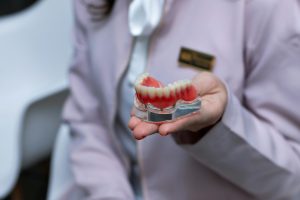
Dentures Costs Explained
Learn about the average dentures cost in Glendale, AZ, and discover how to budget effectively for your new…
Read Article
Denture Relining Explained
Learn why denture relining is essential for comfort and fit in Glendale, AZ, and how this simple process…
Read Article