
Understanding Pediatric Sleep Disordered Breathing
Pediatric sleep-disordered breathing describes airway problems during sleep, from habitual snoring to obstructive sleep apnea. It can affect daytime behavior, learning, and facial growth, because quality sleep and clear airflow are vital in childhood. Some children with sleep-disordered breathing also show attention or behavior challenges that may improve when breathing issues are addressed [1].
A child snores nightly and wakes cranky, with crowded teeth starting to show.
- Frequent snoring or noisy breathing
- Mouth breathing, dry mouth, or drooling on the pillow
- Restless sleep, sweating, or unusual sleep positions
- Bedwetting beyond the usual age
- Daytime sleepiness, hyperactivity, or difficulty focusing
- Narrow palate, crowded teeth, or a retrusive jaw profile
If you wonder whether snoring is harmless, see is it snoring or sleep apnea?
Several factors can narrow a child’s airway, including enlarged tonsils and adenoids, allergic swelling, and jaw or palate constriction. Adenotonsillectomy is often considered when tissues block airflow, yet some children, especially those with Down syndrome, continue to have obstructive sleep apnea and need additional care [2]. Because dental arch form and jaw position influence tongue space and airflow, orthodontic approaches such as mandibular advancement appliances combined with maxillary expansion have shown reductions in apnea severity for selected children [3]. Coordinated care with pediatricians and sleep specialists helps tailor the plan.
Early screening matters, since breathing problems during sleep can affect growth, school performance, and oral development over time. Learn how clinicians assess risk in our overview of sleep apnea screening tools. Timely attention to airway habits guides better rest and development.
Signs of Airway Issues in Children
Airway issues in children often appear as everyday clues. Watch for lips apart at rest, a nasal-sounding voice, frequent morning headaches, or grinding sounds during sleep. Some children struggle to wake on time or show dark circles under the eyes. These patterns can accompany pediatric sleep disordered breathing.
A child chews with lips apart and rubs tired eyes before school. In the mouth, you may notice a posterior crossbite, an open bite that persists, or tooth wear from clenching and grinding. Dry, inflamed front gums can occur when air passes the lips instead of the nose during rest. Craniofacial measurements on cephalometric X-rays can help identify skeletal patterns linked with pediatric obstructive sleep apnea, supporting timely dental referral and co-management [4].
Enlarged adenoids and tonsils can shift facial growth by altering breathing and swallowing patterns. Meta-analytic data suggest that adenoidectomy or tonsillectomy may influence maxillary growth, highlighting the connection between airway resistance and jaw development [5]. Evaluation often includes a careful history, airway examination, dental photographs, and, when indicated, sleep testing. Management depends on the cause and age, such as allergy control, ENT care, and dental approaches that encourage nasal breathing and a stable bite. To explore device-based options for sleep apnea, see how oral appliances compare with CPAP in our overview of oral appliances vs CPAP.
For visit planning and timing, check our current hours. Prompt evaluation supports healthy growth and restorative sleep.
The Impact of Mouth Breathing
Mouth breathing can alter oral health, facial growth, and sleep quality in children. It dries saliva, increases the risk of cavities and gum inflammation, and may contribute to snoring or fragmented sleep. Because of this, persistent mouth breathing is a common sign within pediatric sleep disordered breathing.
A child watches TV with lips parted and breathes through the mouth. The nose normally warms, filters, and humidifies air; the mouth does not. Drier tissues and reduced saliva buffering make teeth and gums more vulnerable. If dryness is a daily struggle, explore practical steps in our guide to dry mouth care. Over time, these airway habits can also influence how the jaws and tongue work together.
Mouth breathing often lowers the tongue in the mouth, which can shift swallowing and resting patterns and add strain to oral muscles [6]. During growth, this pattern is linked with a narrower upper jaw and a longer lower face, which may complicate bite development [7]. For teens who need alignment after airway issues are stabilized, parents can review options in our overview for teen orthodontic care. Early recognition helps guide timing so that form and function improve together.
If mouth breathing persists beyond a cold or allergy season, coordinated evaluation is useful. Dentists, pediatricians, and ENT clinicians can address causes while supporting nasal breathing habits. Orthodontic expansion of the upper jaw has been shown to improve nasal airflow and, in selected children, reduce sleep apnea measures [8]. Joint care between dental and medical teams helps sustain long-term wellness.
Pediatric Airway Health and Development
Pediatric airway health and development describes how a child’s breathing passages grow alongside the jaws, palate, and face. Clear nasal breathing, steady tongue posture to the palate, and coordinated oral muscles help shape roomy arches and stable airflow. Disruptions during growth can contribute to pediatric sleep disordered breathing and influence sleep quality and daytime function.
Growth follows function, so everyday habits matter. The tongue resting gently against the palate supports transverse growth of the upper jaw, while closed lips promote nasal airflow and balanced muscles. A first-grader sleeps with the mouth open and wakes with a dry tongue. If the nose stays blocked from allergies or swelling, children often default to mouth breathing, which can alter oral posture and the way the palate and jaws mature.
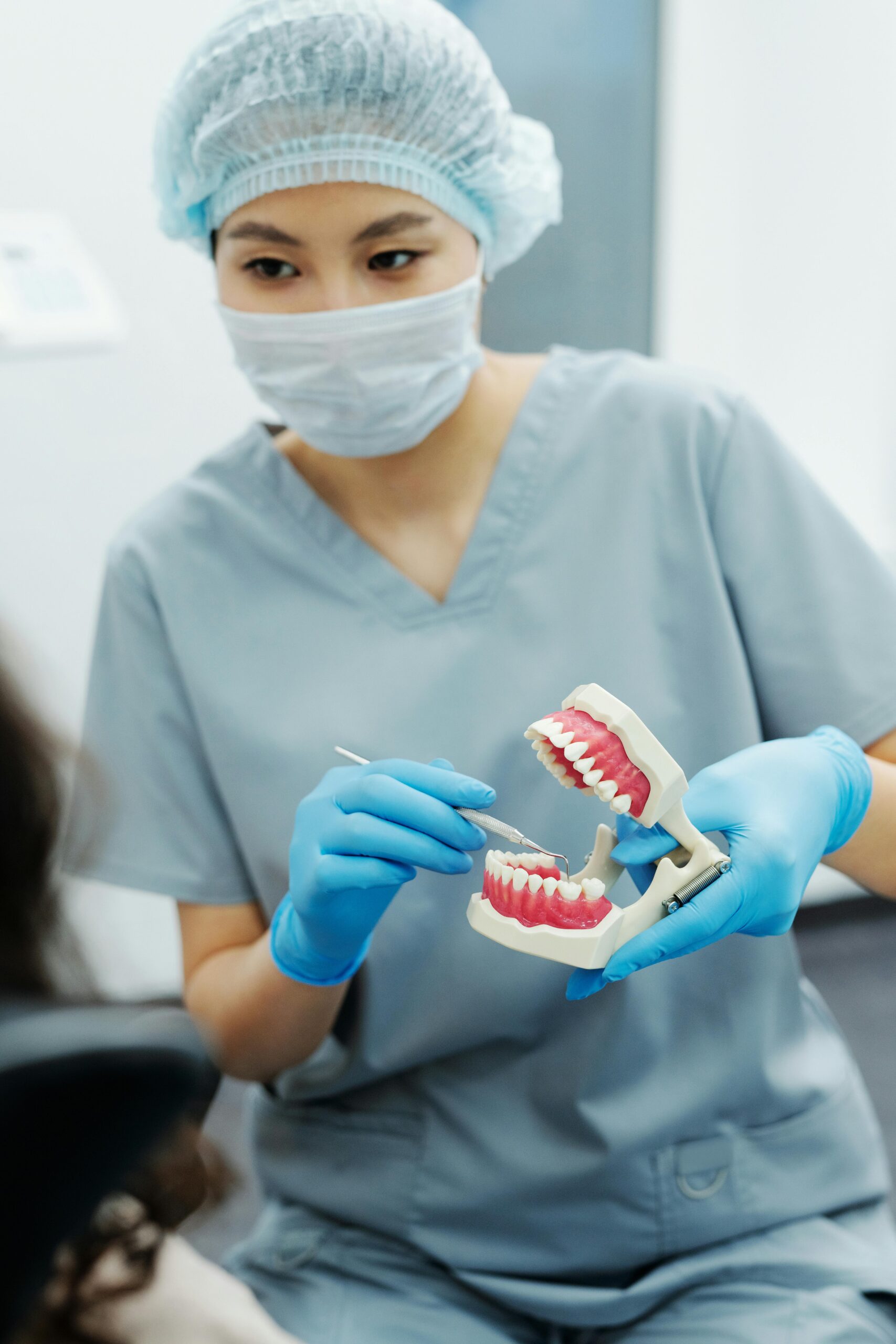
Dental evaluation looks at lip seal, tongue mobility, dental spacing, and overall growth direction using photos and imaging. When findings suggest airway strain, dentists coordinate with pediatricians or ENT clinicians to address causes such as allergies or enlarged tissues. Depending on age and needs, care may include breathing retraining, myofunctional exercises, and interceptive orthodontics to guide arch form and support nasal breathing. For teens who eventually need tooth alignment after airway stability, see our comparison of options in Invisalign vs braces.
Parents can watch for a relaxed lip seal at rest, quiet nasal breathing during sleep, and comfortable chewing of varied textures. If concerns arise, early screening helps time care to natural growth spurts and preserves space for the tongue. Families considering aligner-based alignment can review our Invisalign overview as part of long-term planning. When treated early, improved breathing can transform sleep and growth.
Orthodontics and Sleep-Disordered Breathing
Orthodontics can support airway health by shaping growing jaws and arches to create more space for the tongue and nasal airflow. In selected children with pediatric sleep disordered breathing, carefully timed expansion or functional appliances may reduce symptoms and improve sleep measures. Orthodontic care is one part of a coordinated plan, not a stand‑alone cure.
A middle-schooler struggles to sleep quietly and has a narrow smile. When the upper jaw is constricted, the nasal cavity can be smaller and the tongue may sit low, which narrows the throat during sleep. Guidance during growth matters; rapid maxillary expansion can widen the palate, while functional appliances can posture the lower jaw forward in growing patients to enlarge the retrolingual space. Evidence suggests that, in appropriate pediatric cases, maxillary expansion and related orthodontic therapies can improve apnea–hypopnea index and oxygenation, though results depend on anatomy and timing [9].
Treatment planning starts with cause and age. Before appliances, clinicians assess nasal patency, tonsil size, allergies, oral habits, and growth stage. In certain cases, medical care for inflammation or enlarged tissues comes first, followed by orthodontic expansion or mandibular advancement to stabilize nasal breathing and tongue posture. Myofunctional exercises may reinforce lip seal and proper swallowing once space is available. After alignment phases, retainers help maintain arch width and tooth position; learn practical tips in our note on retainers and maintenance.
Expect objective and subjective follow-up. Families often track snoring, mouth breathing, and daytime energy. When indicated, sleep testing provides baseline and post-treatment comparison to confirm benefit. Not every child is a candidate for orthodontic airway therapy, and some will still need medical or surgical care; the best outcomes come from shared planning among dentistry, pediatrics, and ENT. Coordinated care often leads to clearer days and calmer nights.
Dental Solutions for Sleep-Related Issues
Dentists help children sleep better by evaluating the mouth, jaws, and airway, then guiding treatments that improve breathing. Care may include growth‑friendly orthodontics, oral habit training, and collaboration with pediatricians or ENT clinicians. The goal is quieter sleep, healthier facial development, and easier daytime focus.
In growing kids, dental treatments can create more room for the tongue and nose to work effectively. Palatal expanders can widen the upper jaw to support nasal airflow, while functional appliances can posture the lower jaw forward during growth, which may improve airway size at night. Myofunctional exercises teach lip seal, tongue posture, and a healthier swallow to stabilize results. Simple supports such as nasal hygiene coaching and allergy co‑management often complement dental care. A grade‑schooler snores, clenches, and wakes unrefreshed despite a full night. Together, these tools address patterns commonly seen in pediatric sleep disordered breathing.
Treatment plans are staged and individualized. Younger children might first address nasal blockage or enlarged tissues with medical teams, then use orthodontic strategies to maintain space for nasal breathing and the tongue. Older children and teens may add alignment once airway stability is confirmed, using retainers to preserve changes. Progress is tracked with symptom checklists, parent observations, and, when needed, sleep testing through a physician. If you are assembling the right care team, see our guide to finding a dentist near you to support coordinated care. Thoughtful, team-based care can calm nights and brighten days.
Diagnosing Pediatric Sleep Disordered Breathing
Diagnosis starts with a careful history, an airway-focused exam, and, when needed, an overnight sleep study. Dentists screen for risk and refer; pediatricians and sleep physicians confirm conditions like obstructive sleep apnea. Together, these steps clarify whether symptoms reflect pediatric sleep disordered breathing or another cause.
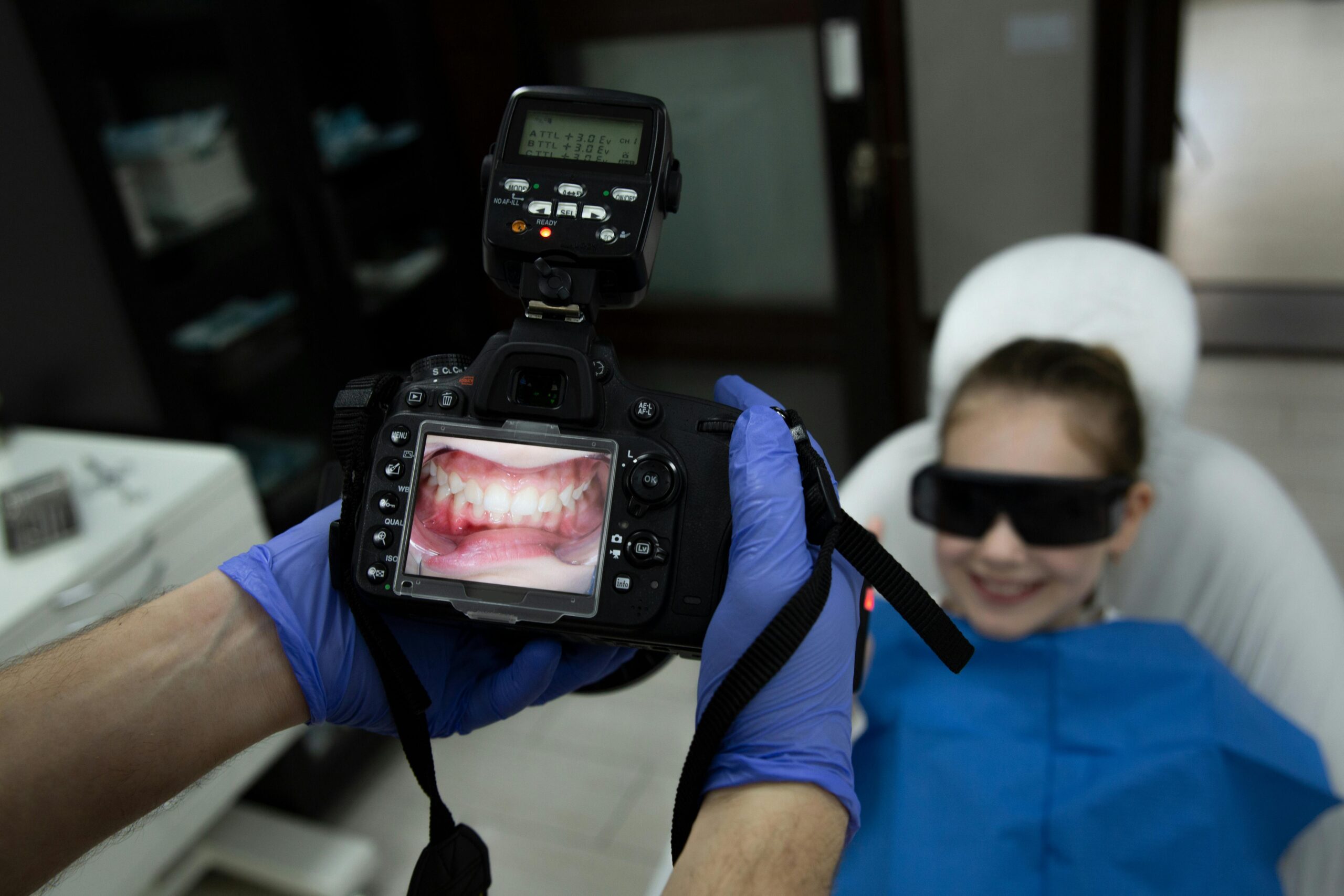
A parent records snoring on a phone for a week. Clinicians ask about bedtime routines, witnessed pauses, restless sleep, bedwetting, morning headaches, and daytime focus. The exam reviews nasal patency, tonsil size, palate width, tongue mobility, tooth wear, and bite relationships that may suggest airway strain. Photos and growth records help track changes over time, guiding when to refer for sleep testing.
Objective testing provides clarity. Overnight polysomnography in a sleep lab evaluates airflow, oxygen levels, breathing effort, snoring, and sleep stages to quantify severity. Limited tools, such as pulse oximetry or symptom questionnaires, can support triage but do not replace a full study when signs point to sleep apnea. Research is also exploring artificial intelligence to flag obstructive sleep apnea from physiologic signals, but pediatric diagnosis still relies on clinical evaluation and appropriate sleep testing [10].
After treatment, reassessment matters. If symptoms persist after medical or dental care, clinicians may repeat testing to verify improvement. Obese children are more likely to experience recurrence of obstructive sleep apnea after adenotonsillectomy, so persistent snoring, gasping, or daytime effects often prompt follow-up sleep studies [11]. Clear communication among caregivers helps set the sequence of care, from allergy control or ENT management to dental interventions that support nasal breathing and a stable bite. Prompt assessment supports restorative sleep and healthy growth.
Treatment Options for Airway Concerns
Treatment for airway concerns in children spans medical care, ENT procedures, dental and orthodontic therapies, and habit training. The specific plan depends on the child’s age, anatomy, and cause of obstruction. Most care pathways involve teamwork among a dentist, pediatrician, and an ENT specialist.
A child uses a nasal spray for allergies yet snores nightly. First steps often target inflammation and nasal patency with allergy control and hygiene coaching. For mild obstructive sleep problems, anti-inflammatory therapies such as intranasal steroids or leukotriene receptor antagonists can reduce symptoms and sleep study measures in selected children [12]. When tonsils or adenoids narrow the airway, ENT evaluation helps determine if adenotonsillectomy is appropriate. If symptoms persist or surgery is not indicated, options can include positive airway pressure under a physician’s guidance.
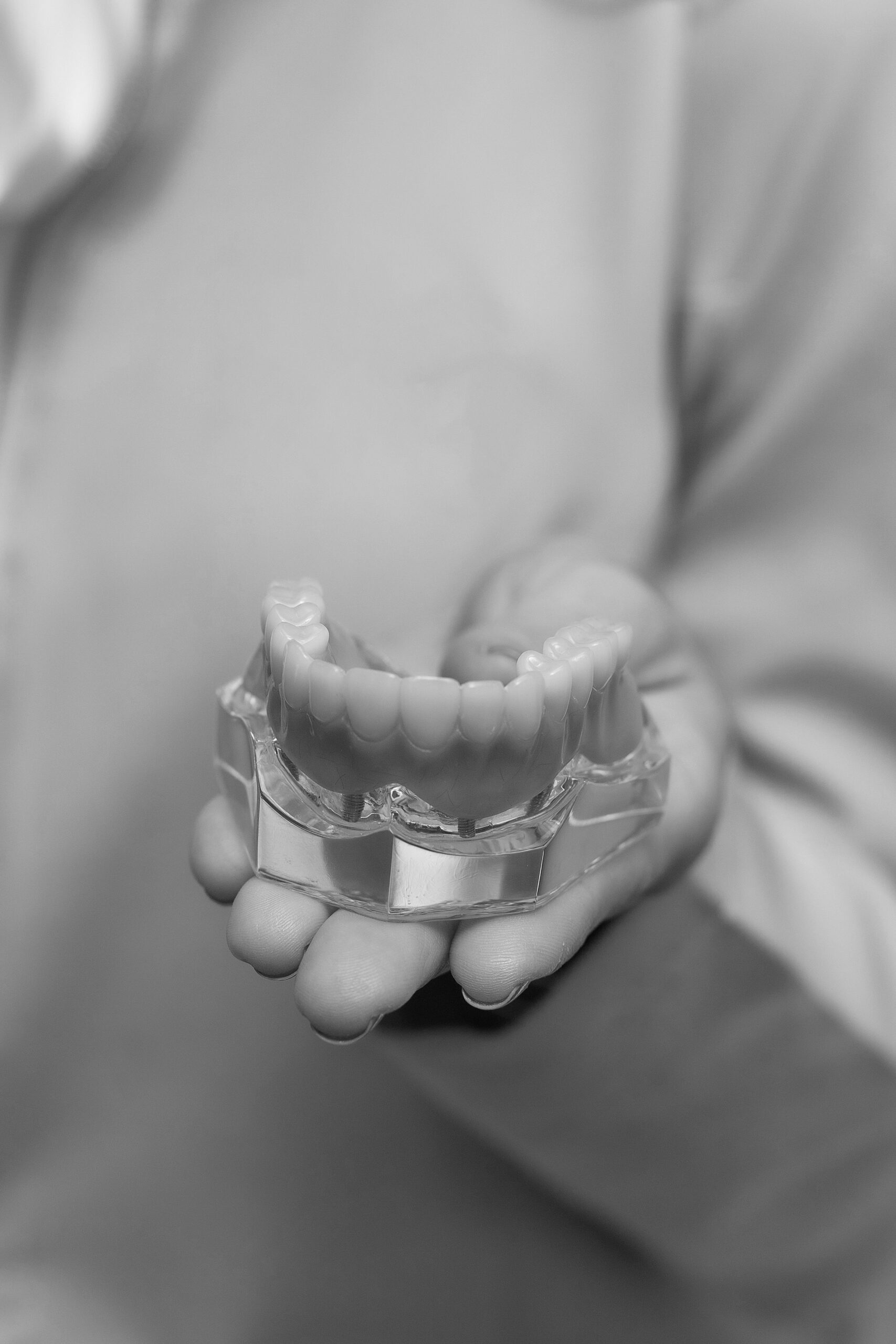
Dental and orthodontic treatments address structure and function. Palatal expansion can widen the upper jaw to support nasal airflow and tongue space. In growing patients with a retrusive lower jaw, functional appliances may improve the way the tongue and soft tissues sit during sleep. Myofunctional exercises reinforce lip seal, tongue-to-palate posture, and a more efficient swallow to stabilize results. Timing matters, so clinicians align treatment with growth spurts and dental development.
Because pediatric sleep disordered breathing has many causes, plans are staged and reassessed. Families track snoring, mouth breathing, daytime energy, and school focus. Clinicians may recommend baseline and follow-up testing to confirm improvement, especially when symptoms are mixed or severe. Clear goals, steady follow-up, and collaboration help children breathe quietly and rest well. Shared planning supports restful nights and steady growth.
Parent’s Role in Managing Sleep Disorders
Parents guide daily habits, observe sleep patterns, and coordinate care among medical and dental teams. They keep routines steady, track symptoms, and support treatments at home. Consistent follow-through helps children sleep better and grow well.
Start with a calm, predictable bedtime and a sleep space that is quiet and dark. Encourage nasal breathing during the day and at bedtime, since the nose conditions air and supports healthier sleep. Hydration and regular toothbrushing help reduce dry-mouth effects that can worsen snoring. Transitional routines, such as reading, cue the brain for sleep and make nights more consistent.
Observation matters. Note how long it takes to fall asleep, whether snoring is nightly or occasional, and any breaths that pause or gasp. Record morning headaches, mouth breathing on waking, or daytime irritability. A parent records snoring clips for three nights. Simple logs or short audio videos help clinicians understand patterns and decide when testing is needed.
When a care plan is in place, parents make it work day to day. If a child uses a palatal expander, parents manage turn schedules and cleaning, and report any pressure or speech changes. With myofunctional exercises, brief daily practice reinforces lip seal and tongue-to-palate posture. If a physician prescribes positive airway pressure, caregivers can help with mask fit checks, gradual desensitization, and tracking nightly use. Medication routines, such as intranasal sprays, benefit from consistent timing and gentle reminders. Share any changes in symptoms promptly so the team can adjust the plan.
Follow-up keeps progress on track. Schedule rechecks after growth spurts or when symptoms return, and ask whether repeat testing is needed to confirm improvement. Keep dental visits airway-aware by mentioning snoring, mouth breathing, or school-day fatigue, since these clues may relate to pediatric sleep disordered breathing. Family-led routines and follow-up help children breathe easier and sleep deeply.
Long-Term Effects of Untreated Breathing Issues
Untreated breathing problems during sleep can affect a child’s brain, heart, growth, and dental development over time. Sleep that is repeatedly disrupted may impair attention, memory, and mood, and can raise blood pressure in some children. Ongoing mouth breathing can also change how the jaws and palate grow, which complicates future orthodontic care. These risks make early recognition and management important.
Short, repeated drops in oxygen and frequent arousals fragment deep sleep. Over months and years, this can reduce school focus, slow learning, and increase irritability. Some children develop morning headaches or bedwetting that lingers because arousal from sleep is less reliable. A third‑grader snores nightly, struggles in class, and morning headaches persist. Elevated sympathetic nervous system activity during poor sleep may contribute to higher blood pressure and heart strain in susceptible children.
Breathing through the mouth changes oral posture. When the tongue rests low, the upper jaw can grow narrower and the lower face can lengthen, increasing the chance of crossbites or open bites. These patterns may make orthodontic treatment longer and less stable if the airway issue remains unaddressed. Dry mouth from open‑mouth sleep also weakens saliva’s protective effects, raising cavity risk and gum inflammation; if the gums are tender or bleed with brushing, see our overview on bleeding gums. Because structure and function influence each other, airway‑aware dental planning helps protect long‑term results.
Left untreated, pediatric sleep disordered breathing can track into the teen years and even adulthood, where symptoms often intensify with weight gain or new life stresses. Daytime fatigue may reduce activity and compound weight changes, which in turn narrow the airway further. Addressing allergies, nasal patency, and jaw growth early often prevents a cycle of fragmented sleep, behavioral strain, and dental crowding. If concerns are present, share sleep observations with your child’s dentist and pediatrician so care can be timed to growth and followed with objective checks. Early care can change sleep quality and guide healthier growth.
Frequently Asked Questions
Here are quick answers to common questions people have about Pediatric Sleep-Disordered Breathing & Dentistry in Glendale, AZ.
- What are common signs of pediatric sleep-disordered breathing?
Pediatric sleep-disordered breathing can manifest in various ways. Common signs include frequent snoring or noisy breathing during sleep, mouth breathing, dry mouth, or drooling on the pillow. Children may experience restless sleep, adopt unusual sleep positions, or sweat during the night. Daytime symptoms may include sleepiness, hyperactivity, or difficulty focusing.
- Morning crankiness
- Crowded teeth
- Bedwetting beyond the usual age
- Narrow palate
- How does sleep-disordered breathing affect a child’s development?
Sleep-disordered breathing in children can influence multiple aspects of their development. Interrupted sleep impacts attention, memory, and mood, potentially leading to learning difficulties and behavioral issues. It can also affect physical growth, specifically facial and jaw development, due to mouth breathing altering oral posture. Long-term, these problems can complicate future orthodontic care, highlighting the importance of early intervention and assessment to ensure healthy development.
- What role do orthodontics play in treating pediatric sleep-disordered breathing?
Orthodontics can help treat pediatric sleep-disordered breathing by adjusting how the jaws and dental arches develop. Treatments like palatal expansion can widen the upper jaw to improve nasal airflow and create more space for the tongue. Functional appliances can position the lower jaw forward, enhancing airflow during sleep. These interventions are part of a coordinated plan and often involve collaboration with pediatricians and ENT specialists to address the root causes effectively.
- Why is it important to identify sleep-disordered breathing early in children?
Early identification of sleep-disordered breathing in children is crucial because it can prevent long-term developmental issues. Prompt attention to these problems can improve sleep quality, support healthy growth, and enhance school performance. It also helps guide necessary interventions in a timely manner, such as orthodontic treatment or medical management, to address underlying causes like allergies or enlarged tonsils and adenoids.
- What are some home habits that can support better sleep for children with breathing issues?
Parents can support better sleep at home by encouraging nasal breathing and maintaining a calm bedtime routine. Creating a quiet and dark sleep environment, ensuring regular hydration, and promoting daily toothbrushing reduce dry mouth effects that exacerbate snoring. Predictable bedtime routines, like reading, help signal the brain that it’s time for sleep. Observing and noting any irregular breathing patterns also assists healthcare providers in tailoring effective treatment plans.
- Which healthcare professionals are typically involved in the management of pediatric sleep-disordered breathing?
Management of pediatric sleep-disordered breathing often involves a multidisciplinary team. Dentists evaluate the mouth and jaws, while pediatricians assess overall health and development. An ENT specialist may address issues related to enlarged tonsils or adenoids. Sleep specialists might also be involved, particularly if a sleep study is required. This coordinated approach ensures comprehensive care and supports the best possible outcomes for the child.
- How can myofunctional exercises help with pediatric sleep-disordered breathing?
Myofunctional exercises involve strengthening the lips, tongue, and facial muscles to promote nasal breathing and proper oral posture. These exercises help children maintain a closed lip seal and position the tongue against the palate, which supports a more stable airway and improved breathing patterns. Over time, they can contribute to better sleep quality and assist in the overall treatment plan for pediatric sleep-disordered breathing.
- What potential complications can arise from untreated pediatric sleep-disordered breathing?
Untreated pediatric sleep-disordered breathing can lead to a range of complications, including impaired cognitive development, behavioral issues, and increased cardiovascular risk. Chronic mouth breathing can alter facial growth patterns, resulting in orthodontic challenges like malocclusion. These complications underscore the importance of early assessment and intervention to protect long-term health and development.
References
- [1] Enhancing the comprehensive management strategies for attention-deficit/hyperactivity disorder (ADHD) in pediatric patients with concurrent sleep-disordered breathing: Integrating effective therapeutic approaches. (2025) — PubMed:40865424 / DOI: 10.1016/j.explore.2025.103241
- [2] Management of residual OSA post adenotonsillectomy in children with Down Syndrome: A systematic review. (2022) — PubMed:34785079 / DOI: 10.1016/j.ijporl.2021.110966
- [3] Effectiveness of mandibular advancement orthodontic appliances with maxillary expansion device in children with obstructive sleep apnea: a systematic review. (2024) — PubMed:39465357 / DOI: 10.1186/s12903-024-04931-1
- [4] Cephalometry as an aid in the diagnosis of pediatric obstructive sleep apnoea: A systematic review and meta-analysis. (2024) — PubMed:39050522 / DOI: 10.1016/j.jobcr.2024.06.007
- [5] Meta-analysis: effects of adenoidectomy/tonsillectomy on pediatric maxillary growth development. (2024) — PubMed:39543880 / DOI: 10.22514/jocpd.2024.124
- [6] Mouth Breathing and Its Impact on Atypical Swallowing: A Systematic Review and Meta-Analysis. (2024) — PubMed:38392225 / DOI: 10.3390/dj12020021
- [7] Effects of mouth breathing on facial skeletal development in children: a systematic review and meta-analysis. (2021) — PubMed:33691678 / DOI: 10.1186/s12903-021-01458-7
- [8] Assessment of the Effect of Rapid Maxillary Expansion on Nasal Respiratory Function and Obstructive Sleep Apnea Syndrome in Children: A Systematic Review. (2025) — PubMed:41010785 / DOI: 10.3390/jcm14186565
- [9] Effects of rapid maxillary expansion and functional orthodontic treatment in children with sleep disordered breathing: a systematic review. (2025) — PubMed:40604854 / DOI: 10.1186/s12903-025-06348-w
- [10] Diagnostic accuracy of artificial intelligence for obstructive sleep apnea detection: a systematic review. (2025) — PubMed:40722158 / DOI: 10.1186/s12911-025-03129-x
- [11] Recurrence of Obstructive Sleep Apnea in Post-adenotonsillectomy Obese Pediatric Patients: A Systematic Review. (2025) — PubMed:40551920 / DOI: 10.7759/cureus.84741
- [12] Anti-inflammatory medications for obstructive sleep apnoea in children. (2020) — PubMed:31978261 / DOI: 10.1002/14651858.CD007074.pub3