
Pick your insurance
Sixteen carriers including Delta, Cigna, Aetna, all 4 major BCBS-network plans, AARP, and "I don't see my plan." We file claims for every carrier.
Glendale, Arizona
Services provided by an Arizona licensed general dentist.
A sinus lift creates the bone height needed to place dental implants in the upper back jaw -- the region most commonly affected by bone loss after molar loss. Dr. Dawson performs this procedure at SmileScience Dental Spa using a technique matched precisely to the amount of bone available at your site.
Understanding the Procedure
A sinus lift -- formally called a maxillary sinus floor augmentation -- is a bone grafting procedure performed specifically in the upper jaw behind the canine teeth. The maxillary sinuses are air-filled cavities that sit just above the roots of the upper molars and premolars. When these teeth are lost, two things happen: the bone ridge beneath the sinus thins from resorption, and the sinus cavity itself can expand downward through a process called sinus pneumatization.
The result is a region of the jaw with very little vertical bone between the ridge crest and the sinus floor -- sometimes less than 4 to 5 mm. That is not enough to anchor an implant safely. A sinus lift corrects this by gently separating the sinus membrane from the bone beneath it and filling the resulting space with bone graft material. Over several months, the graft integrates with existing bone and builds the vertical height needed for a stable implant.
Sinus augmentation is one of the most studied and predictable pre-implant procedures in dentistry. Research consistently demonstrates implant survival rates above 90% in grafted sinus sites at five years -- matching outcomes in native bone when the procedure is performed correctly.
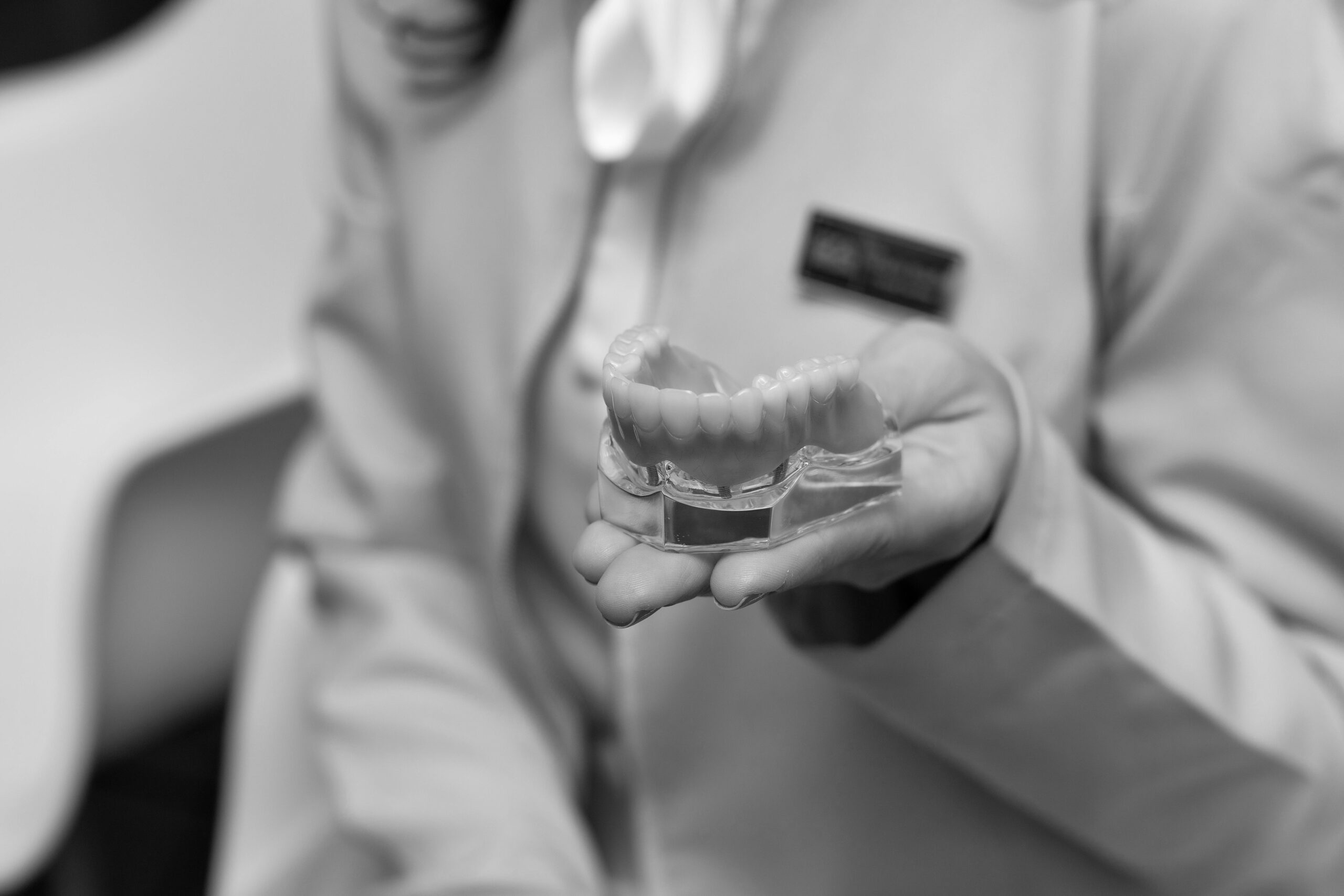
Understanding the anatomy helps explain why this procedure works -- and why surgical precision is essential.
The Schneiderian Membrane
The sinus cavity is lined by a thin, delicate tissue that must be elevated without tearing. A perforation is the most common complication and is managed immediately -- but avoiding it requires precise technique and thorough pre-surgical imaging.
3D Planning Is Non-Negotiable
A cone-beam CT scan maps the sinus floor location, membrane thickness, and any anatomical variations like sinus septa. Dr. Dawson reviews this anatomy before every procedure. Operating without 3D imaging significantly raises perforation risk.
Graft Material Becomes Real Bone
The space under the elevated membrane is filled with xenograft and allograft, often enhanced with PRF from the patient's own blood. Over 4 to 9 months the body replaces this scaffold with living bone. The sinus itself is not damaged.
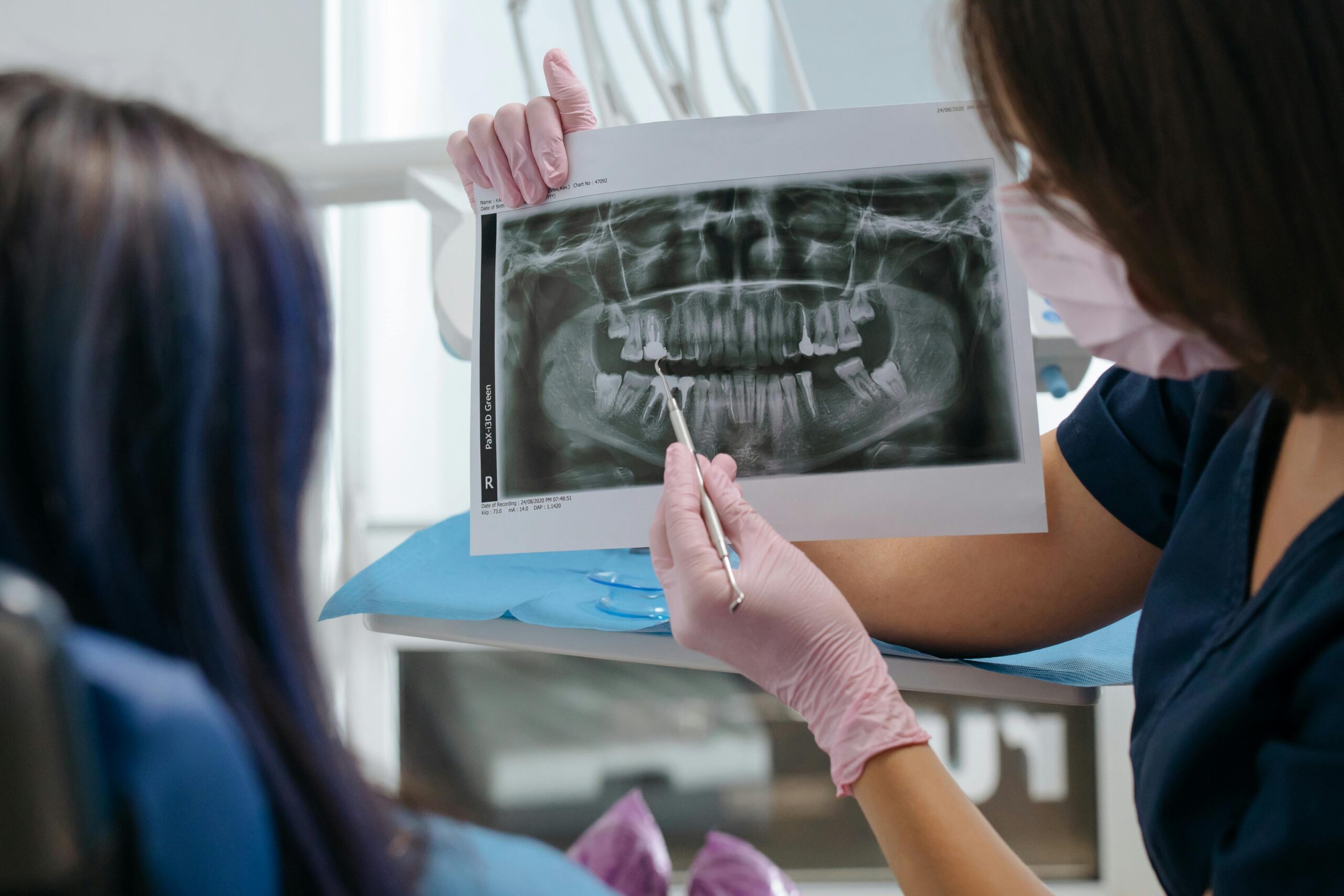
A sinus lift is indicated when bone height in the upper posterior jaw is less than the minimum needed to safely anchor a dental implant -- typically 8 to 10 mm. A cone-beam CT scan is the only accurate way to determine this.
Teeth in the upper back sit closest to the sinus floor. Their loss is the most common reason sinus augmentation becomes necessary. Even a single missing upper molar, if gone for more than a year, may require a sinus lift before implant placement.
Extended wear of upper dentures without implant support accelerates bone resorption in the posterior upper jaw, often leaving less than 5 mm of bone between the ridge and the sinus floor -- far below the threshold for safe implant placement.
Some patients have naturally large sinuses or anatomically low sinus floors even without a history of significant tooth loss. This is common and does not indicate any disease -- it simply means augmentation is needed to create adequate implant depth.
Advanced gum disease that eroded supporting bone in the upper posterior region can reduce available implant height significantly. Once the gum disease is controlled and the site has healed, sinus augmentation can restore the bone needed for implant-supported restoration.
The technique used depends on a single critical measurement: how much bone remains between the ridge crest and the sinus floor at the implant site. Dr. Dawson selects the approach that maximizes success while minimizing invasiveness.
Used when at least 5 to 6 mm of existing bone height is present at the site. The sinus floor is gently elevated through the same pilot channel drilled for the implant. Graft material is packed beneath the membrane and the implant may be placed in the same appointment -- no separate lateral incision required.
Required bone height: 5 mm or more
Used when less than 5 mm of bone is present -- the scenario where the sinus occupies most of the available space. A small oval window is carefully created in the thin lateral wall of the sinus. The membrane is elevated through this opening to create a larger working space, allowing a greater volume of bone graft material to be placed. Implants are placed after graft integration.
Required bone height: Less than 5 mm -- staged implant placement after healing
Lateral window sinus lifts take approximately 90 minutes per side. Transcrestal procedures add only 15 to 20 minutes to a standard implant appointment.
CBCT Review and Surgical Planning
Dr. Dawson reviews your 3D cone-beam CT scan to measure bone height precisely, assess the sinus membrane thickness, identify any sinus septa (internal partitions), and determine which approach is appropriate. Any active sinus infection must be resolved before proceeding.
Anesthesia and Sedation
The surgical site is thoroughly numbed with local anesthesia. For patients who prefer to be less aware during the procedure, oral conscious sedation or IV sedation administered by a board-certified dental anesthesiologist is available. Most patients feel only gentle pressure during the procedure itself.
Accessing the Sinus (Lateral Approach)
For lateral window procedures, a small incision is made in the gum tissue over the upper back jaw. The tissue is gently reflected to expose the outer wall of the sinus. A small oval window is outlined in the thin lateral bone using a surgical handpiece or piezoelectric device, then carefully removed. The sinus membrane is visible beneath.
Membrane Elevation and Graft Placement
The Schneiderian membrane is gently and carefully elevated from the sinus floor using curved instruments. Once adequate space is created, bone graft material -- typically a combination of xenograft and allograft, often mixed with or layered over PRF -- is packed into the space beneath the membrane. The window is covered with a membrane barrier and the tissue is sutured closed.
Recovery and Integration
Post-operative instructions emphasize no nose blowing and avoiding activities that involve pressure changes (flying, diving, vigorous exercise) for the first two weeks. Nasal stuffiness on the treated side is normal and resolves within a few days. Integration is confirmed by CBCT scan before implant surgery is scheduled.
One of the most common questions patients ask is whether the implant can go in at the same time as the sinus graft.
When 5 mm or more of native bone is available, the implant can often be placed at the same appointment as the sinus graft -- particularly with the transcrestal approach. The existing bone provides enough mechanical stability (primary stability) for the implant while the graft integrates around it. This reduces total treatment time by 3 to 6 months.
Best for: Transcrestal approach, 5+ mm existing bone, adequate implant stability torque achievable
When bone height is under 5 mm, the graft must integrate before an implant can be placed. Attempting simultaneous placement without adequate primary stability increases the risk of implant failure. Staged placement is the more conservative and more predictable choice in these cases, and the additional wait time is well worthwhile for long-term outcomes.
Best for: Lateral window approach, under 5 mm existing bone, large graft volume required
Dr. Dawson reviews this decision case by case using your CBCT measurements and intraoperative stability readings. When primary stability cannot be confirmed, staged placement is always selected to protect your investment.
Peak swelling on the cheek and nasal stuffiness on the treated side. Rest, soft diet, no nose blowing. Cold compresses to the cheek reduce swelling. Prescribed antibiotics and anti-inflammatories as directed.
Nasal congestion resolves. Swelling diminishes significantly. Sutures dissolve or removed at follow-up visit. Soft diet continues. No flying, diving, or strenuous activity for at least two full weeks.
Full normal activity resumes. Graft material is actively integrating. No external signs of the surgery remain. Smaller transcrestal cases may be ready for implant evaluation toward the end of this window.
Lateral window cases with larger graft volumes complete integration. A follow-up CBCT scan confirms bone density and height. Implant surgery is scheduled once integration is confirmed.
The sinus lift is one of the best-studied bone grafting procedures in implant dentistry. Multiple systematic reviews and long-term follow-up studies confirm that implants placed in grafted sinus sites perform comparably to implants placed in native bone when patient selection and surgical technique are appropriate.
Implant survival rate at 5 years in grafted sinus sites across multiple systematic reviews
Membrane perforation rate in experienced hands with proper pre-surgical 3D imaging and technique
Clinical history of the lateral window sinus lift as a predictable pre-implant surgical technique
The most important patient-controlled factor is following post-operative instructions -- specifically avoiding nose blowing and pressure changes during the critical early healing period, when the membrane and graft are most vulnerable.
Sinus lift costs depend on whether one or both sides are treated, which approach is used, the volume of graft material required, and whether the implant is placed simultaneously.
Typically $700 to $1,500 per side. Often performed simultaneously with implant placement, reducing the number of separate appointments and total treatment cost.
Typically $1,500 to $3,000 per side. A separate visit from implant placement. More complex cases involving bilateral lifts or significant graft volume fall toward the higher end of the range.
Many dental plans include partial coverage for bone grafting procedures. FSA and HSA accounts may be used for the full cost. Financing options including CareCredit, Cherry, Sunbit, and Proceed Finance are available, with monthly payment options. Ask our team at your free consultation -- we will verify your benefits and present all options clearly.
Live coverage estimator
Three quick taps - pick your insurance, pick your procedure, see the patient-cost range against our 2026 fee schedule next to our in-house membership plan. No login, no email, no sales pitch.
Estimate range, not a quote. Final cost depends on your specific plan benefits, remaining annual max, and clinical findings at your consult. Defaults used here: $1,500 annual max, $50 deductible.
Sixteen carriers including Delta, Cigna, Aetna, all 4 major BCBS-network plans, AARP, and "I don't see my plan." We file claims for every carrier.
Plain-language categories - Cleaning, Filling, Crown, Root Canal, Extraction, Gum Treatment, Implants, Cosmetic. Drill down to the specific option that matches your case.
Insurance estimate vs. our in-house membership plan, side-by-side. Ranges (not single numbers) so you're not surprised at the desk. Real 2026 Glendale-market pricing.
No. Sinus function is not altered by the procedure. The Schneiderian membrane that is elevated is thin and resilient -- it repairs itself within days. The grafted bone over time simply raises the floor of the sinus, which is a structural change without any functional consequence. Patients who have chronic sinus conditions, frequent sinus infections, or who have had sinus surgery should discuss this with both Dr. Dawson and their ENT physician before proceeding, as active sinusitis is a contraindication until fully resolved.
The procedure is performed under local anesthesia, so you will feel pressure but not pain during surgery. Post-operative discomfort is moderate and typically well controlled with anti-inflammatory medications. Swelling on the cheek and nasal stuffiness on the treated side are common for the first few days. Most patients are surprised by how manageable the recovery is. Sedation is available for patients who prefer to be less aware during the procedure.
The sinus lift is one of the most studied procedures in implant dentistry with a strong evidence base. Studies consistently report implant survival rates above 90% in grafted sinus sites at five years -- comparable to implants placed in native bone. Success is most strongly associated with surgical technique, thorough pre-surgical 3D imaging, and patient compliance with post-operative instructions (particularly avoiding nose blowing in the first two weeks).
Yes, bilateral sinus lifts can be performed in a single appointment in appropriate patients. The recovery is more involved than a unilateral lift because both sides of the upper jaw experience swelling simultaneously. Most patients who need bilateral lifts prefer the efficiency of a single surgery rather than two separate procedures with two recovery periods. Dr. Dawson will discuss the tradeoffs at your consultation.
In most cases, yes. Seasonal allergies are not a contraindication to sinus augmentation. However, scheduling during a low-symptom period is preferred to reduce the risk of post-operative sinus congestion and nose-blowing episodes during healing. Active sinus infection at the time of surgery is the key contraindication -- not a general history of allergies. Discuss your allergy history and current symptom control with Dr. Dawson at your consultation.
Membrane perforation is the most common intraoperative complication of a lateral window sinus lift, occurring in roughly 5 to 20% of cases even in experienced hands. When a small perforation occurs, it is repaired immediately using a collagen membrane patch or by folding the sinus membrane over itself. If a large perforation is encountered that cannot be reliably repaired, the procedure may be stopped and rescheduled after the membrane heals. This is uncommon and far better managed by stopping than by proceeding through an unrepaired defect.
For lateral window sinus lifts with staged implant placement, the full timeline from graft to final crown is typically 12 to 18 months: 4 to 9 months for graft integration, followed by implant placement, followed by 3 to 6 months for osseointegration, followed by the crown restoration. Transcrestal lifts with simultaneous implant placement can compress this to 6 to 9 months total. Dr. Dawson maps out your specific timeline at the consultation so you know exactly what to expect from day one.
4.9 (437 reviews)
I recently had the pleasure of visiting Smile Science Dental Spa, and I couldn't be more impressed with the level of care and service provided by the entire team. Dr. Dawson and Dr. Turke are both incredibly skilled and made me feel completely at ease throughout my procedures. Their professionalism, combined with their gentle approach, made me feel comfortable and well-informed every step of the way. I was especially impressed that I was able to get a same-day crown(apparently their first ever!), which exceeded my expectations. I couldn’t believe how quick and seamless the process was. It really saved me time and made the experience even more convenient. Cindiray and Angeles, the dental assistants, were equally wonderful. They were not only friendly and attentive but also thorough in explaining everything and made sure I was relaxed during each phase of my visit. Lastly, a big thank you to Litzy at the front desk, who greeted me with a smile and helped with scheduling and any questions I had. She made the entire check-in process a breeze. From start to finish, my experience at Smile Science Dental Spa was exceptional. I'll be returning for sure. I highly, highly, highly recommend them for anyone looking for high-quality dental care.
View Full Review on GoogleDusty
Honestly I’ve never been so happy to go to the dentist. I came in (late due to Lyft) and was still taken care of and treated with care. Even without insurance (kicking in within the next month) prices for an extraction on my infected tooth were more than reasonable. I was able to get more than expected done in the same visit. Dr. Dawson and his team made me feel so comfortable and taken care of. Won’t go anywhere else.
View Full Review on GoogleCherish B
I recently started as a patient after leaving our long-time family Dentist and couldn’t be happier! Marcela is AMAZING and a FANTASTIC hygienist!!!! 😃 Dr Dawson is great too! Every time I visit, they make me feel like family.
View Full Review on GoogleTJ Winzeler
Myself and my family had previously gone to Dr. Turk at another dental office that he worked at. He had relocated and we did not know where he had gone to until this week. Today I got in with Dr. Turk and he took the time to look at my x-rays carefully . I was having pain from a tooth and some other issues. The previous Dentist I went to that I saw just a few days earlier, he did not find any issues with my tooth which I had pain in. Dr. Turk identified infection and referred me to an endodontist. He is very gentle as a wonderful disposition and my self and my family are thrilled to be able to get back with him. The office is lovely, relaxing music, heat and massage chair.I have always been very nervous and some anxiety going to dentist as I have had bad reactions with the anesthesia. I am confident that Dr. Kirk will help me get through my next appointment just fine. “The staff are very kind and attentive. I am looking forward as I have quite a bit of work to be done, and I know I’m in good hands with Dr. Turk and his staff. Five stars!⭐️ Sherry
View Full Review on GoogleSherry Redmond
I recently moved to Arizona and had an issue with a tooth repair from 15 years back. Not knowing anyone here in my new home, I searched dentists close to me. I chose Smile Science much like pinning the tail on the donkey and my selection couldn't have been better! What a terrific staff! Dr. Turke was concerned the tooth would need to be extracted, but said he wanted to take a shot at saving it..and that's just what he did! After setting a temporary crown, I was on my way with an appointment to install the permanent crown in the following two weeks. That evening I received a call I've never received from a dentist. Dr. Turke had taken the time to follow up with me to make sure I wasn't in any discomfort..I was completely caught off guard by this kind of attention to detail and caring for my well being. The permanent crown is now in place, it fits and feels fantastic, the job and treatment are first class! Thank you, Dr. Turke and staff for taking in this stray and giving me a home dentist! I'd like to say that I'm just good at selecting blindly, but the truth is I am very lucky..and I'll take lucky over being good any day of the week! Thank you, again and Happiest of New Year's in 2026, Science Smile!!
View Full Review on GoogleEddy
Schedule a free cone-beam CT evaluation at SmileScience Dental Spa in Glendale, AZ. Dr. Dawson will measure your exact bone height, map your sinus anatomy, explain which approach applies to your case, and outline the complete timeline from sinus graft to final implant crown.


