

Glendale, Arizona
Full Mouth Dental Implants in Glendale, AZ
Permanent, fixed teeth that look and function like your own -- from a Fellowship-trained implant dentist with advanced in-house technology. Free consultations include same-day CBCT scan and treatment planning.
What Are Full Mouth Dental Implants?
A complete, permanent solution for total tooth loss or a failing dentition
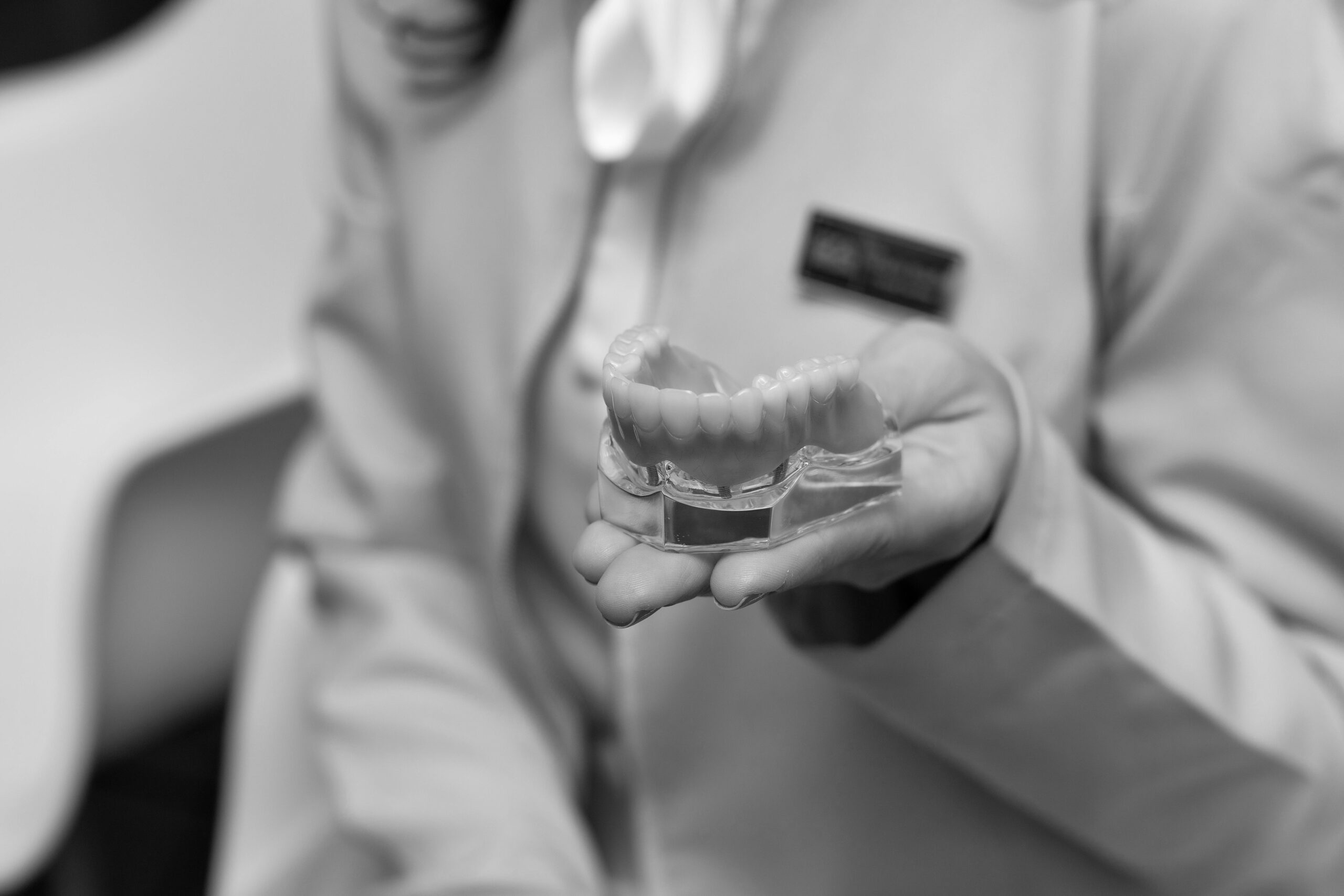
Full mouth dental implants refer to the complete restoration of all teeth in one or both jaws using dental implants as the permanent foundation. This is not a single procedure -- it is a comprehensive treatment approach that combines implant surgery, bone management, and prosthetic design to rebuild an entire smile that functions, looks, and feels like natural teeth.
Unlike removable dentures that rest on the gums and can shift during eating or speaking, full mouth implants are anchored directly into the jawbone through osseointegration -- the biological process by which titanium integrates with living bone. The result is a fixed, stable, long-term restoration with chewing function comparable to natural teeth.
At Smile Science Dental Spa in Glendale, AZ, full mouth implant treatment is planned with 3D CBCT imaging, digital smile design, and in-house prosthetic fabrication. Whether you are missing all your teeth, wearing dentures you dislike, or facing extraction of a failing dentition, our team can map a precise path to a complete, permanent smile.
Permanent and Fixed
Screw-retained restorations that stay in place during eating, speaking, and sleeping.
Bone-Preserving
Implants stimulate the jawbone, preventing the bone resorption that follows tooth loss or denture use.
Comprehensive Reconstruction
Addresses both arches for a complete, balanced bite with proper chewing, speech, and esthetics.
Customized to Your Anatomy
Implant count, prosthesis type, and surgical approach are tailored to your bone volume and goals.
Long-Term Durability
Implant fixtures can last decades. Prosthetic components are serviceable or upgradable over time.
Immediate Smile Option
In most full-arch cases a temporary bridge is seated the same day -- you never leave toothless.
Who Is a Candidate for Full Mouth Implants?
Full mouth implant treatment is designed for patients who need or want a complete rebuilding of their dentition
Patients who pursue full mouth dental implants typically fall into one of several categories. Each situation is unique, which is why a thorough CBCT-guided consultation is the essential first step at SmileScience.
Complete Tooth Loss (Edentulism)
Lost all teeth in one or both arches and want a permanent, fixed alternative to conventional dentures.
Failing or Hopeless Dentition
Remaining teeth severely decayed, fractured, or compromised by advanced periodontal disease.
Current Denture Wearers
Frustrated by slippage, sore spots, difficulty chewing, or the need for denture adhesives.
Snap-in Denture Upgrade
Currently wearing implant overdentures and wanting to convert to a fully fixed, non-removable bridge.
Failed or Foreign Implant Work
Implants placed elsewhere that have failed, been poorly positioned, or produced unsatisfactory esthetics. We offer revision and salvage pathways.
Severe Bone Loss Cases
Bone grafting, sinus lifts, or zygomatic/pterygoid implants can create a foundation when standard sites are unavailable.
Good general health, a commitment to oral hygiene and follow-up care, and adequate or restorable bone are the primary requirements. Smoking significantly increases risk and we counsel all smoking patients on cessation strategies around surgery. Many patients who were previously told they "couldn't have implants" due to bone loss or other factors are successfully treated at SmileScience with advanced planning and techniques.
Two Main Approaches to Full Mouth Implant Restoration
Your anatomy, bone volume, and goals determine which approach is right for you
There is no single way to do full mouth implants. The right approach depends on your bone quality, the number of teeth being replaced, your bite forces, esthetic priorities, and budget. At SmileScience, we present both options with honest tradeoffs so you can make an informed decision.
Approach A
Individual Implants Per Tooth
Each missing tooth is replaced by its own implant and crown. This is the most anatomically complete option -- every tooth has its own independent root. It provides maximum bone stimulation across the entire arch, allows individual replacement or repair without affecting adjacent teeth, and produces the most natural-looking result.
Best for: Patients with good remaining bone across the full arch, adequate spacing between implant sites, and who want the most natural, tooth-by-tooth solution.
Typical implants per arch: 10–14 (one per tooth position)
Prosthetic result: Individual porcelain or zirconia crowns, or a series of 3-unit implant bridges
Approach B
Implant-Supported Fixed Bridge (Hybrid)
Fewer strategically placed implants (typically 4–8 per arch) support a full-arch fixed bridge that spans the entire jaw. This is a more efficient use of available bone, often requires less surgery, and in many cases can be completed with same-day temporary teeth. The final bridge is screw-retained directly to the implants.
Best for: Patients with moderate bone loss, complete tooth loss, or those wanting the efficiency of fewer surgical sites with a fully fixed, non-removable result.
Typical implants per arch: 4–8, depending on bone and load requirements
Prosthetic result: Full-arch zirconia or PMMA hybrid bridge, screw-retained
Which approach is right for you?
Both approaches are legitimate, long-lasting solutions. At your free consultation, we use CBCT 3D imaging to assess your bone volume in every region of the jaw and model both options digitally before any treatment begins. We explain the tradeoffs clearly -- there is no pressure, and no single "right" answer for every patient.
Book a Free Consultation to find out which approach fits your situation.
Full Mouth Implants vs. All-on-4®
Understanding what "All-on-4" means -- and when other options are better
All-on-4® is one specific protocol within the broader category of full mouth implant treatment. Understanding the distinction helps you ask better questions and make a more informed choice.
| Feature | All-on-4® (Specific Protocol) | Full Mouth Implants (Broad Category) |
|---|---|---|
| Implants per arch | Exactly 4 (two straight front, two tilted back) | 4, 5, 6, 8, or individual implants per tooth -- based on bone and prosthesis |
| Prosthesis type | Fixed full-arch bridge (screw-retained) | Fixed bridge, individual crowns, hybrid, zirconia, or PMMA -- varies by approach |
| Bone requirements | Designed to work with available bone using angled posterior implants; avoids bone grafting in many cases | Variable -- may use bone grafting, sinus lifts, or advanced anchorage to optimize implant positions |
| Same-day teeth | A hallmark of the protocol -- provisional bridge typically delivered same day | Available for many protocols when implant stability allows immediate loading |
| Individual tooth replacement | No -- it is a full-arch bridge, not individual crowns | Yes -- individual implant crowns are one option within full mouth treatment |
| Trademark / branding | All-on-4® is a trademarked protocol developed by Nobel Biocare | Generic term describing any complete-arch implant reconstruction regardless of brand |
In short: All-on-4® is a specific, well-researched full-arch implant protocol. Full mouth dental implants is the broader category that includes All-on-4®, All-on-6, and individual-implant full-arch reconstructions. Your anatomy and goals determine which path makes the most clinical sense.
The Full Mouth Implant Process at SmileScience
From your first 3D scan to your final permanent smile -- every step under one roof
Every full mouth implant case begins with a free CBCT 3D scan so we can map your bone volume in every region of the jaw. From there, digital planning software lets us virtually position each implant and design your final prosthesis before any surgery takes place -- giving you a preview of your result while giving us precision that reduces chairtime and surprises.
The typical journey from first scan to final smile takes 6 to 12 months, with most of that time spent in the comfortable healing phase rather than in the chair.
- 1 visit
Your free consultation includes a CBCT 3D scan at no charge. Cone-beam CT imaging shows bone height, width, and density in every region of the jaw, the location of sinuses and nerve canals, and the condition of any remaining teeth. We review the scan with you in real time and discuss your options in plain language.
Free Consultation + CBCT 3D Scan
Digital Treatment Planning
Same or follow-up visitUsing DTX Studio, Exocad, and Blue Sky Bio planning software, we virtually position your implants in 3D, design the prosthesis, and evaluate your bite before any surgery takes place. Digital planning improves accuracy, reduces chairtime, and lets you visualize your result before committing to treatment.
- Varies
Depending on your situation, pre-surgical steps may include extractions of remaining hopeless teeth, site-specific bone grafting to build volume where needed, or a sinus lift procedure for the upper jaw. In many cases these are completed at the same appointment as implant placement.
Pre-Surgical Preparation
Implant Placement Surgery
1–4 hoursImplants are placed into the jawbone using guided or freehand technique based on your plan. Surgery is performed under your chosen level of sedation -- from oral conscious sedation to IV sedation or general anesthesia with our board-certified dental anesthesiologist. Most patients are comfortable and relaxed throughout.
- Same day as surgery
In most full-arch cases, a temporary fixed bridge is placed the same day as surgery. You leave with a complete, functional smile rather than going home without teeth. The temporary bridge is designed to protect the healing implants while still allowing you to eat soft foods and speak normally.
Same-Day Temporary Teeth
Healing + Osseointegration
3–6 monthsYour implants bond to the jawbone through osseointegration. You will attend periodic check-up visits so we can monitor healing, adjust the temporary bridge as needed, and confirm that integration is progressing on schedule. Most patients find this phase comfortable and uneventful.
- 1–2 visits
Once integration is confirmed, we take digital scans of your implants and design your permanent prosthesis. For full-arch cases, this means a custom-milled zirconia bridge or a hybrid PMMA bridge on a titanium framework. We review esthetics, phonetics, and bite before delivering the final restoration.
Final Impressions and Prosthetic Design
Final Delivery and Refinement
1 visitYour permanent bridge is seated, torqued to spec, and checked for bite balance and esthetics. We make any final adjustments before you leave. You will receive a detailed home care protocol and your first maintenance schedule.
- Every 3–6 months
Implants require regular professional maintenance -- hygiene under the bridge, torque checks, and imaging. Consistent professional care is the primary factor in implant longevity over decades.
Long-Term Maintenance

Full Mouth Implant Recovery Timeline
What to expect in the days, weeks, and months after surgery
| Timeframe | What's Happening | What You Can Expect |
|---|---|---|
| Day of Surgery | Implants placed; temporary bridge seated (most cases) | You leave with a full smile. Plan for rest. Numbness wears off over several hours. |
| Days 1–5 | Normal post-surgical healing; swelling peaks at 48–72 hours | Soft diet, prescribed medications for comfort, ice as directed. Most patients manage well with over-the-counter pain relief and any prescriptions provided. |
| Week 2–4 | Soft tissues healing; initial stability improving | Swelling resolves. You can progress toward a softer regular diet. First follow-up check-in to assess healing and adjust the temporary bridge if needed. |
| Months 1–3 | Osseointegration in progress -- implants bonding to bone | Most patients resume normal activities. Avoid hard, crunchy, or sticky foods. Periodic check-up visits to confirm integration is on track. |
| Months 3–6 | Osseointegration confirmed; final prosthetic phase begins | Imaging and stability tests confirm readiness for final bridge impressions/scans. Design and fabrication of your permanent prosthesis begins. |
| 6 Months+ | Permanent bridge delivered; long-term maintenance begins | Final smile in place. You start a regular maintenance schedule (every 3–6 months) to protect your investment for decades. |
Timeline varies by individual factors including number of implants, extent of bone grafting, and healing rate. Your treatment plan will include a personalized schedule.
Prosthetic Options for Full Mouth Implants
The material and design of your final bridge significantly affects durability, esthetics, and maintenance
Once your implants have integrated, the final prosthesis is fabricated and delivered. At SmileScience, prosthetics are designed in-house using digital workflows and milled on our PlanMeca 60S 5-axis mill -- giving us direct control over quality, fit, and turnaround time.
Monolithic Zirconia Bridge
The most durable option for a full-arch restoration. Milled from a single block of dental-grade zirconia, this bridge resists fracture, does not stain, and provides excellent esthetic layering capability. It is our most popular material for patients who want the strongest, longest-lasting result.
Best for: Patients with heavy bite forces, bruxers (with night guard protocol), and those who want maximum longevity.
PMMA Hybrid Bridge (Acrylic on Titanium)
A full-arch bridge with a titanium or zirconia framework and PMMA (acrylic) teeth and gum-colored base. This is lighter than zirconia and can be more kind to opposing teeth, but requires more careful maintenance and may need periodic refinishing over the years.
Best for: Patients seeking a cost-effective full-arch fixed solution or those who want a softer biting surface.
Individual Crowns and Bridges
For patients receiving individual implants per tooth (or implant-supported bridgework), we fabricate e.max porcelain or monolithic zirconia crowns that are matched to the shape, translucency, and shade of natural teeth. Each restoration is custom-designed for optimal esthetics and function.
Best for: Patients replacing individual or multiple teeth where spacing allows separate implants and crowns.
During your consultation and treatment planning phase, we review material samples so you can see and feel the difference before choosing. All materials meet FDA and ADA standards and are sourced from established dental suppliers.
What Does Full Mouth Dental Implant Treatment Cost?
Honest pricing factors -- and what's included at SmileScience
Full mouth implant treatment is a significant investment. Cost varies widely depending on the number of implants, whether bone grafting is needed, the type of prosthesis, and the level of sedation chosen. Understanding what drives the cost helps you compare quotes from different providers accurately.
Number of Implants
Full-arch bridge cases use 4--8 implants per arch; individual full-mouth cases may need 12--28. More implants mean greater bone stimulation and prosthetic flexibility.
Bone Grafting and Site Preparation
Grafting, sinus lifts, or ridge augmentation add cost and healing time -- but are essential when bone volume is inadequate for stable implant placement.
Prosthesis Material and Design
Monolithic zirconia costs more than a PMMA hybrid bridge. The prosthetic choice significantly affects total treatment cost and long-term maintenance requirements.
Sedation Level
From oral conscious sedation to IV sedation or full general anesthesia with our board-certified dental anesthesiologist. Sedation is itemized separately.
Extractions
Extraction costs are factored into the overall plan. In many cases, extractions and implant placement happen at the same surgical appointment to reduce total healing events.
Single vs. Both Arches
Two-arch treatment costs more than a single-arch case. Many patients start with the most functionally or esthetically urgent arch and plan the second separately.
| Treatment | Starting Price | Typical Includes |
|---|---|---|
| All-on-4® (PMMA hybrid final, single arch) | From $10,999 | Extractions, bone graft, 4 implants, hybrid PMMA bridge (bundle) |
| All-on-4® / All-on-6 (zirconia final, single arch) | From $14,999 | Extractions, bone graft, 4–6 implants, monolithic zirconia bridge (bundle) |
| Full mouth (both arches, zirconia, 8 implants) | From $29,998 | Upper and lower arch treated together; pricing reflects per-arch rate |
| Individual implant (single tooth, crown included) | From $3,499 | Extraction, bone graft, implant body, abutment, and crown |
These are starting cash prices. Final treatment plans are individualized. Financing options available. See full pricing details here ›
Financing Options
Full mouth implant treatment can be financed through several trusted lending partners, with monthly payment options designed to make treatment accessible on a range of budgets.



Ask about our dental financing options and our in-house membership plan for patients without insurance.
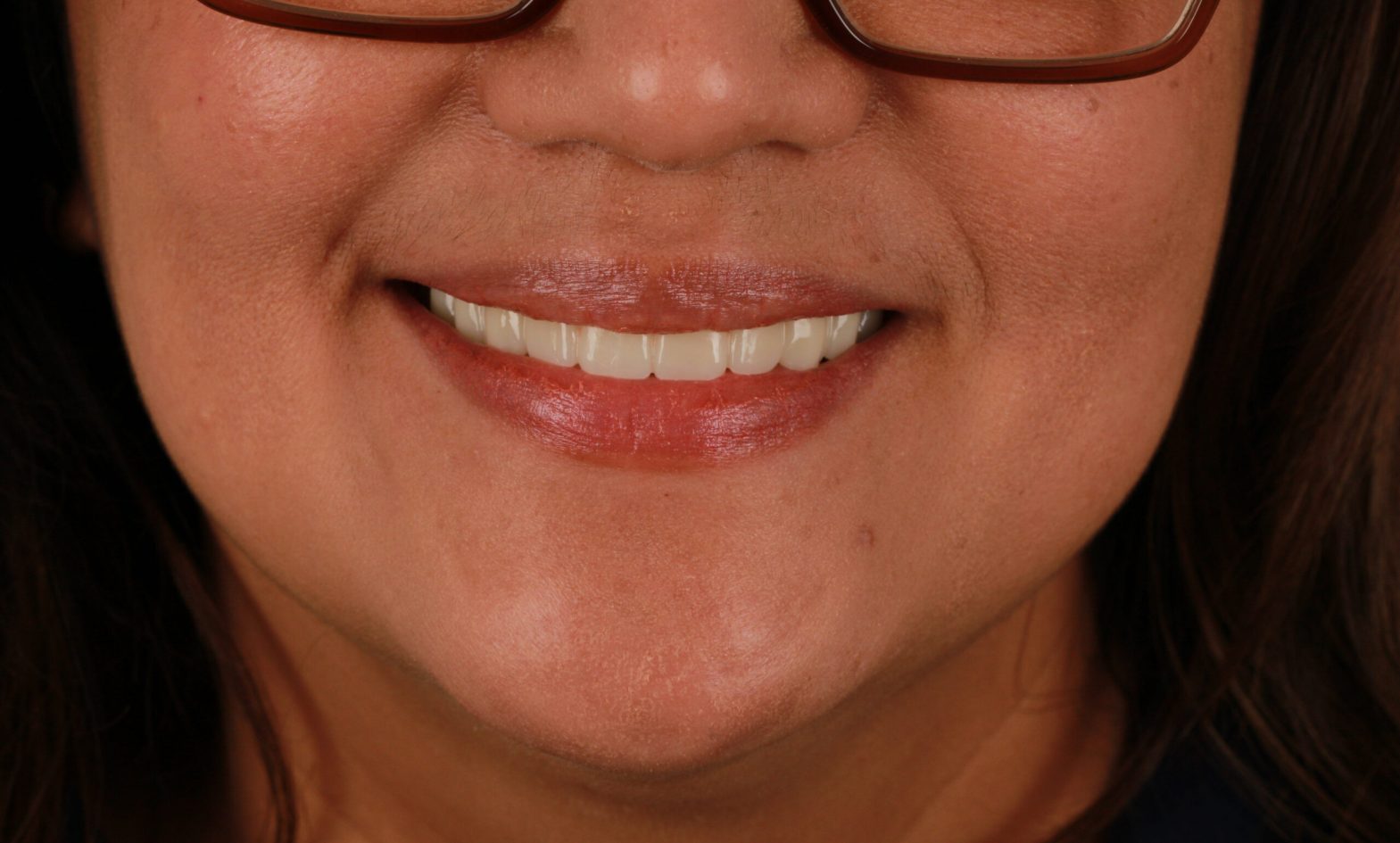
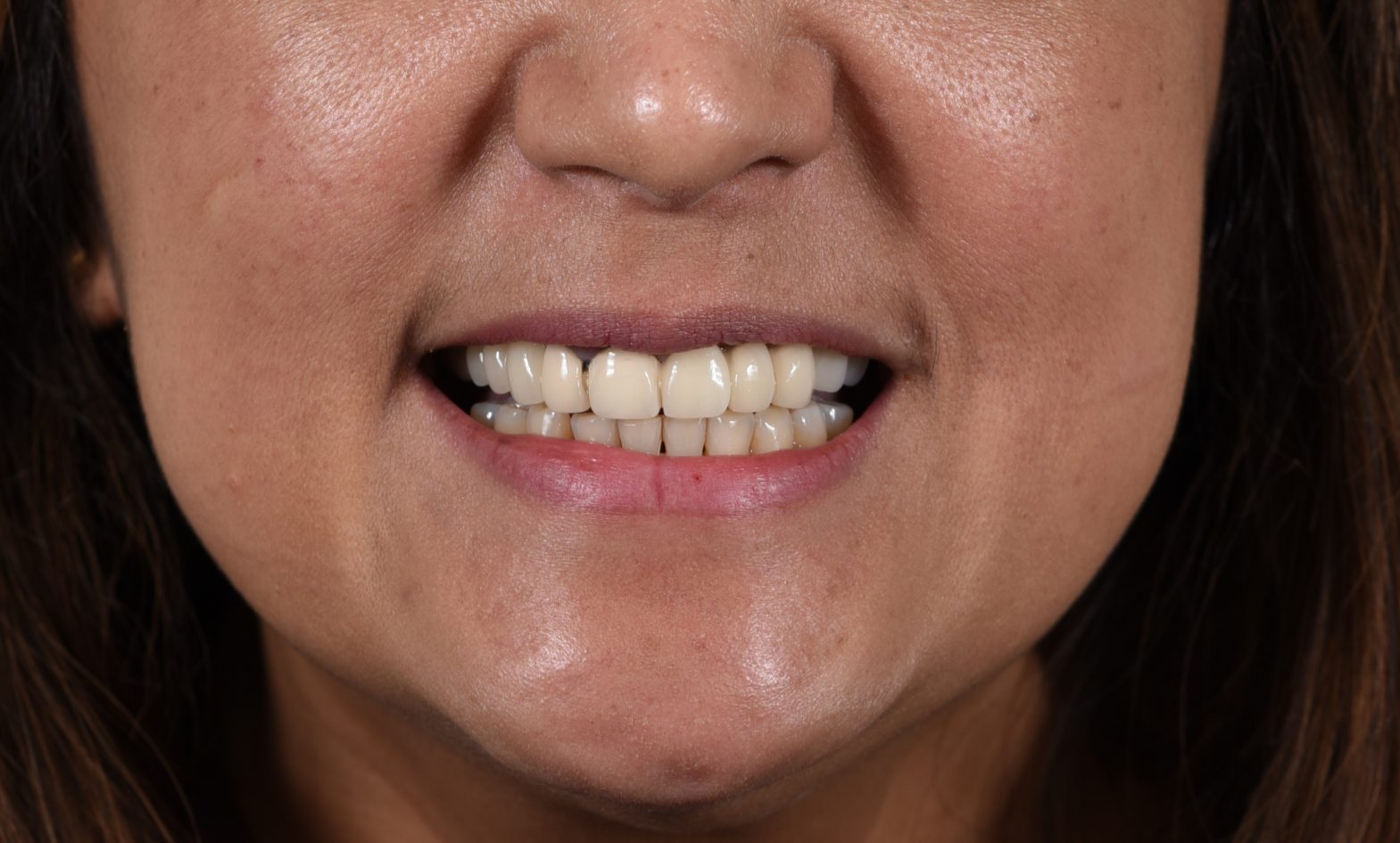
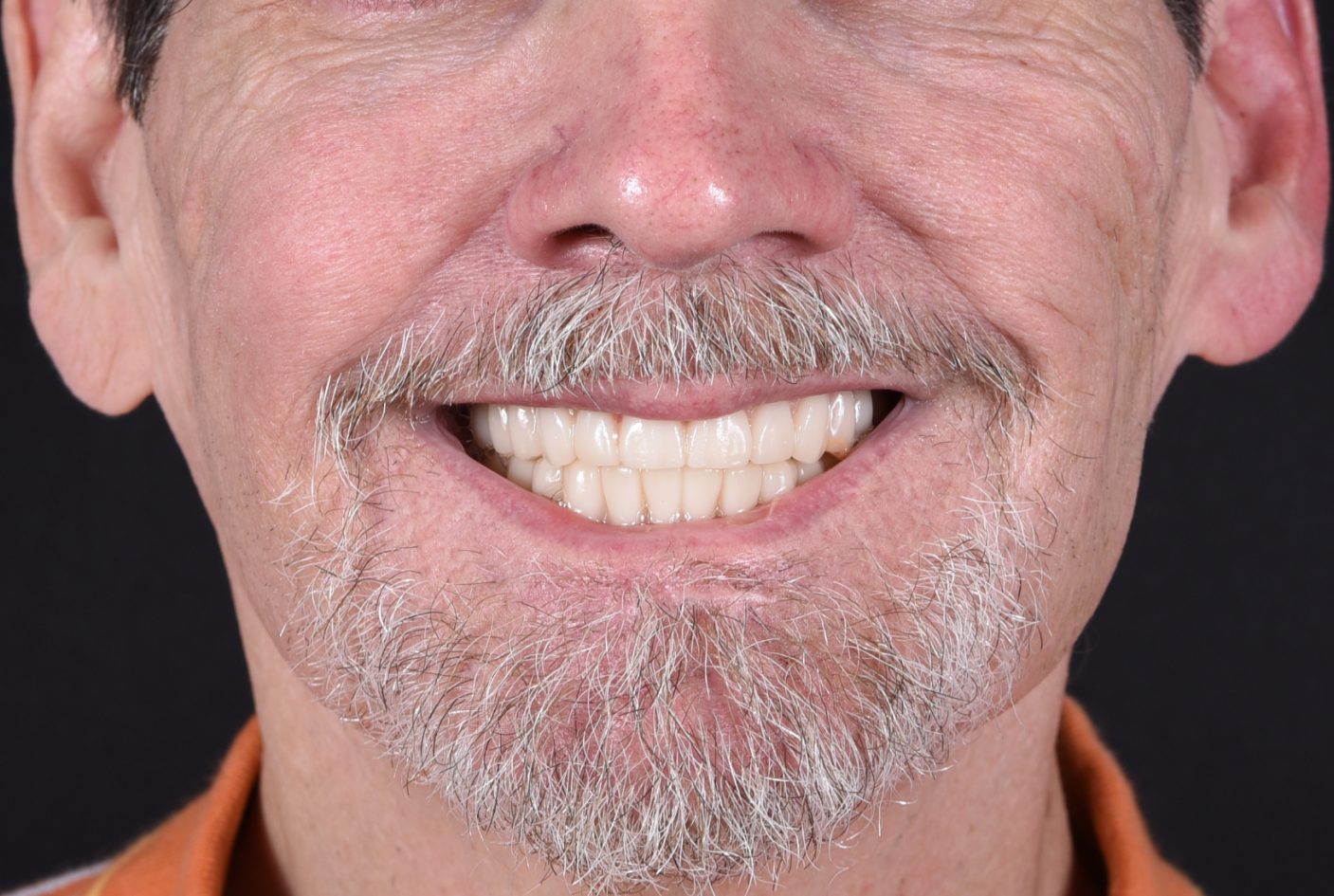
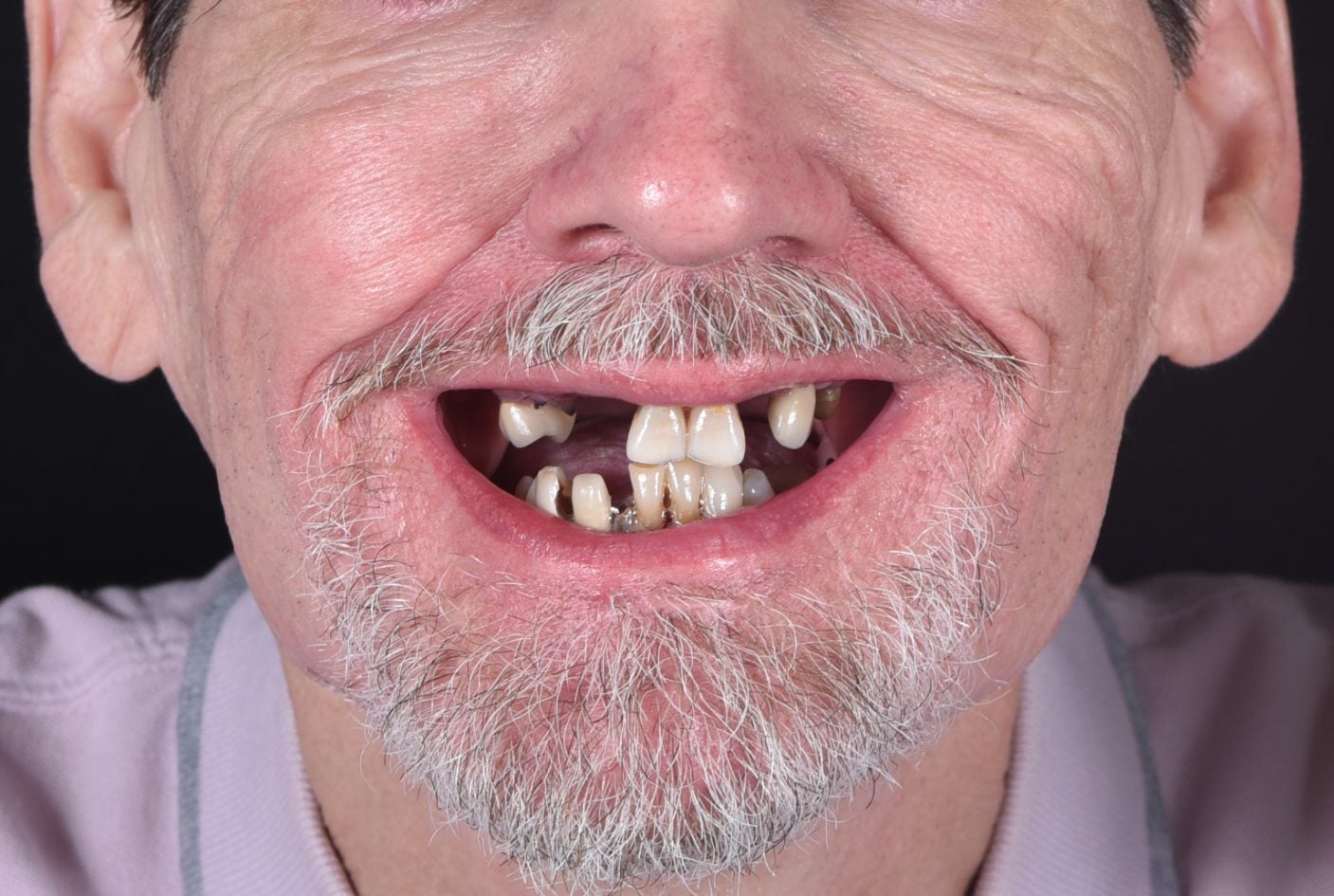
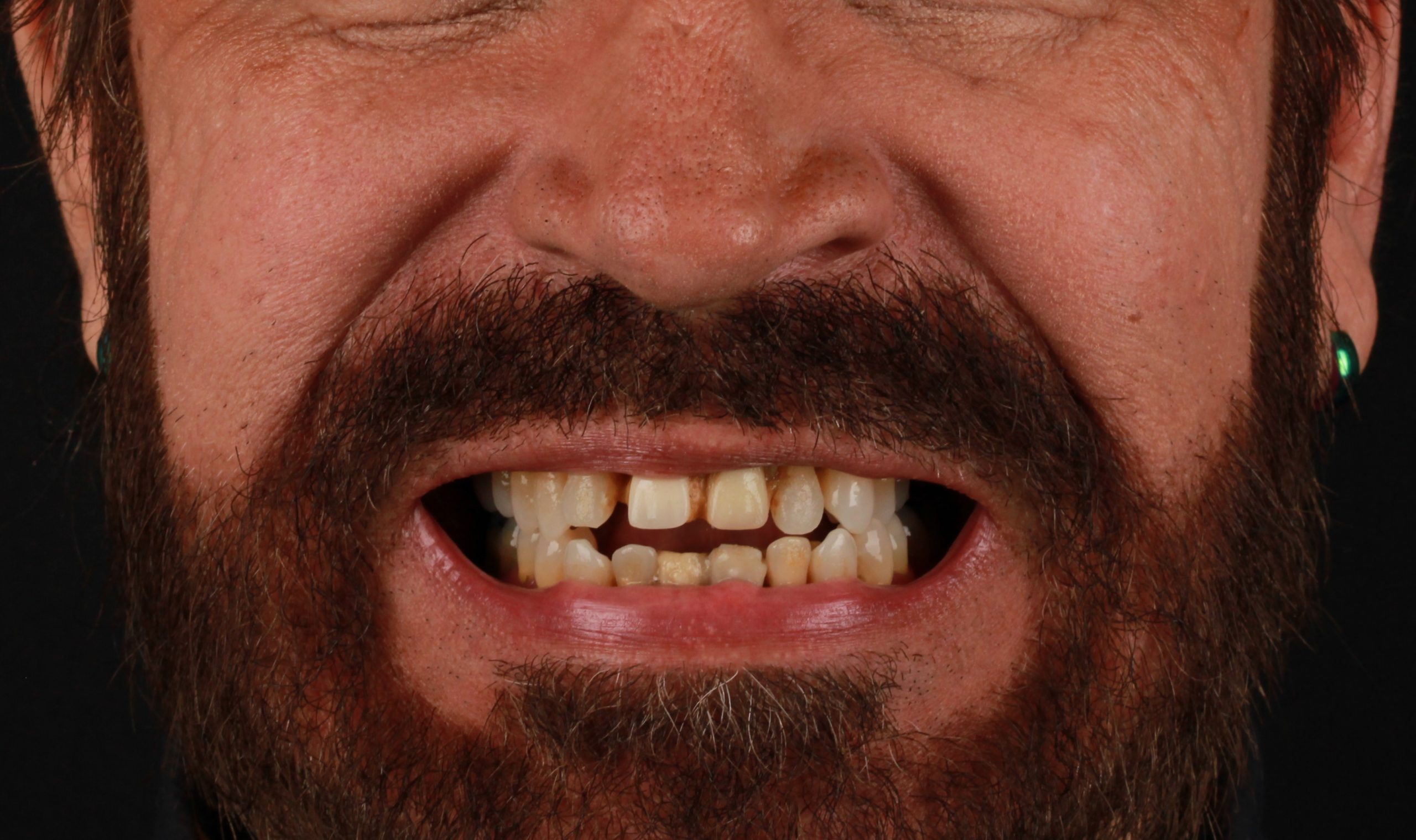
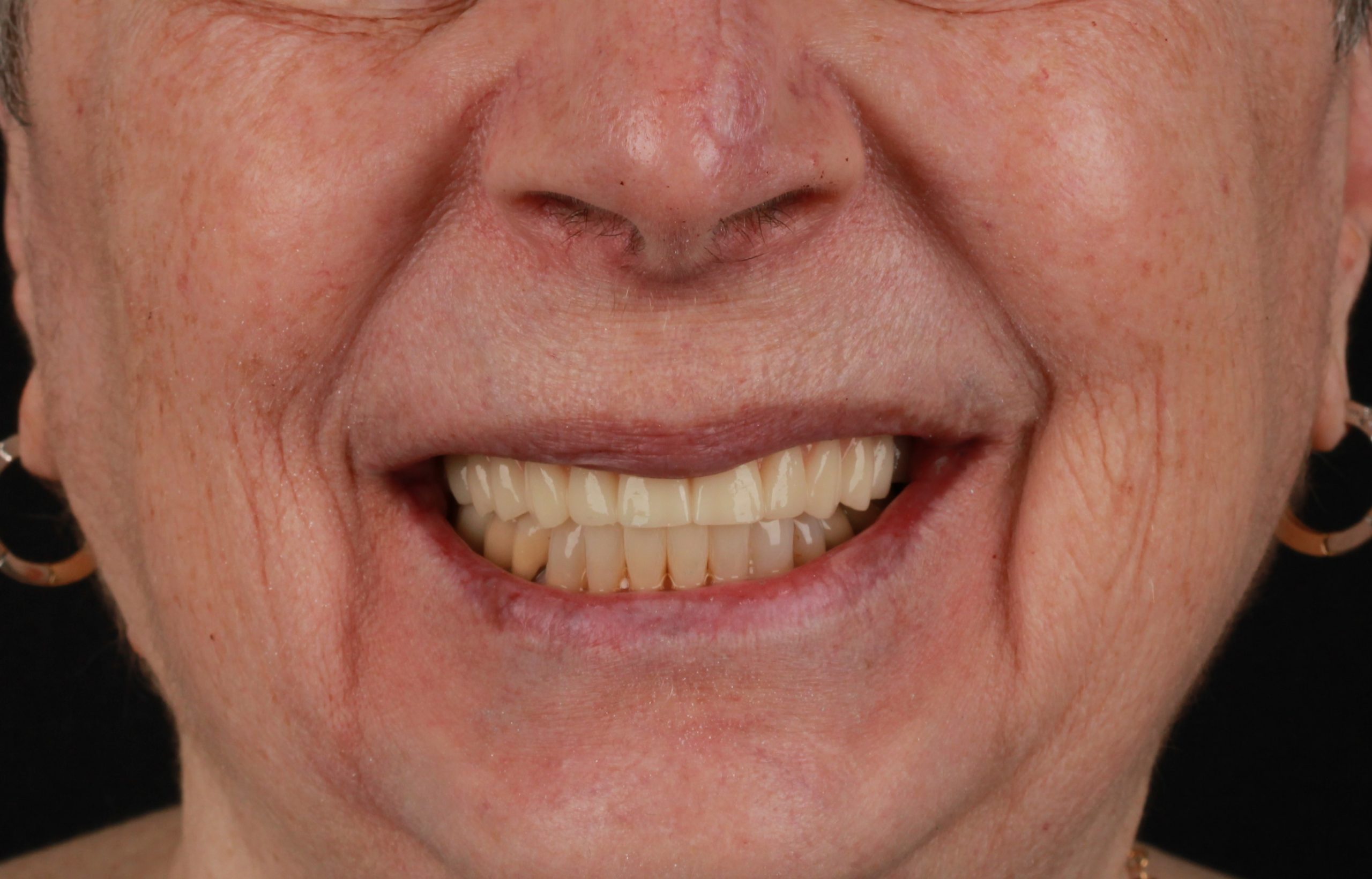
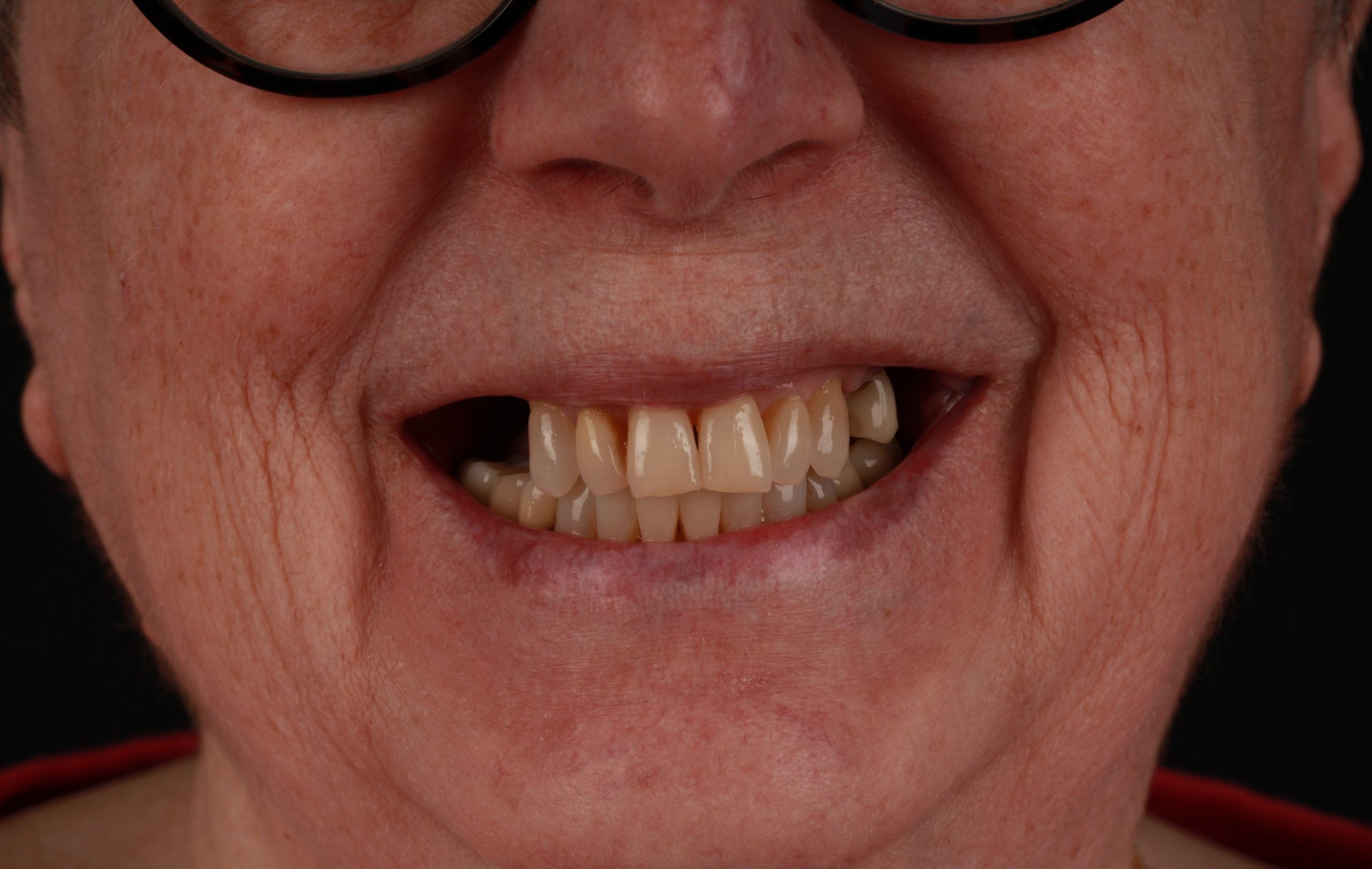
Real Patient Outcomes
Full mouth implant cases completed at SmileScience
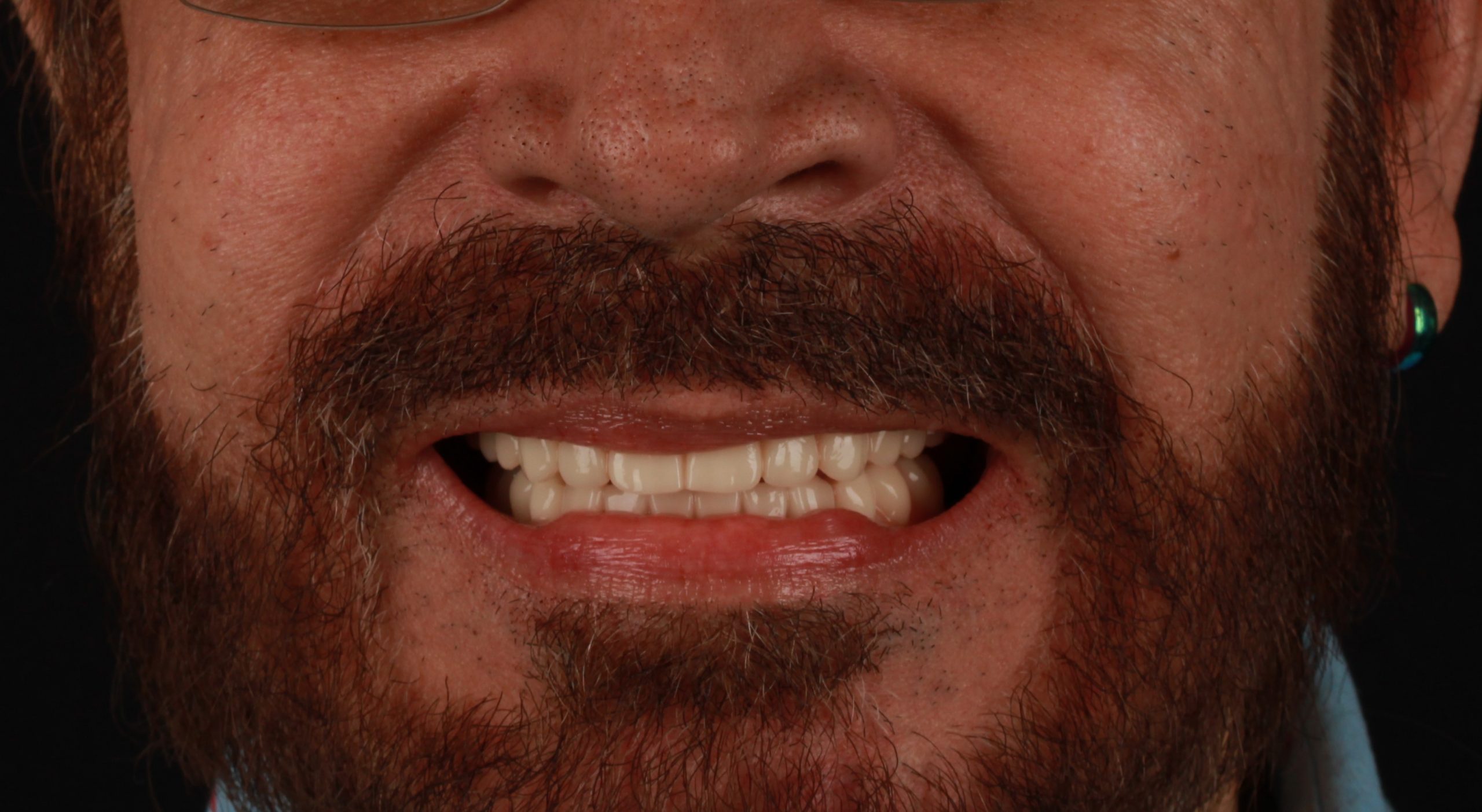
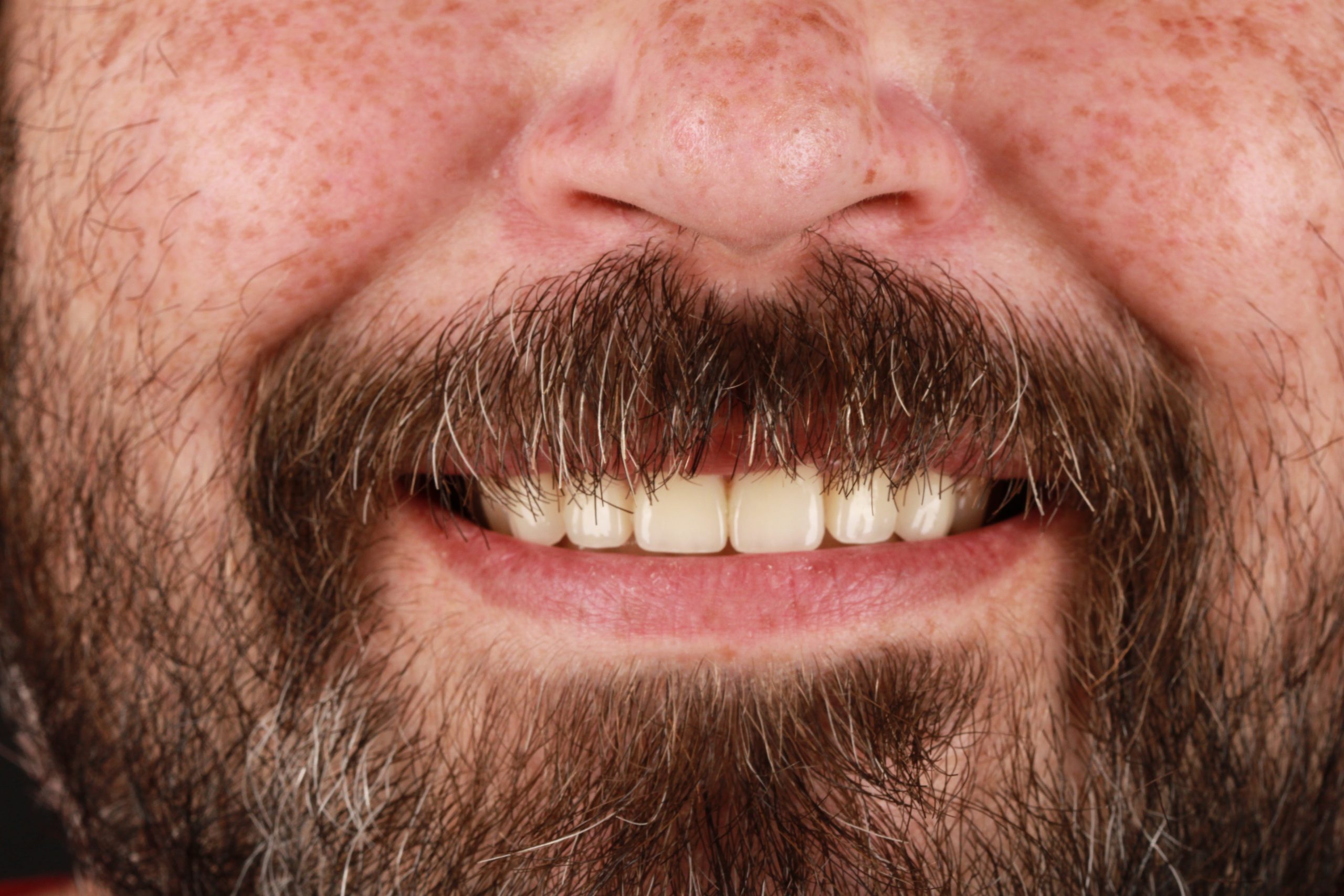
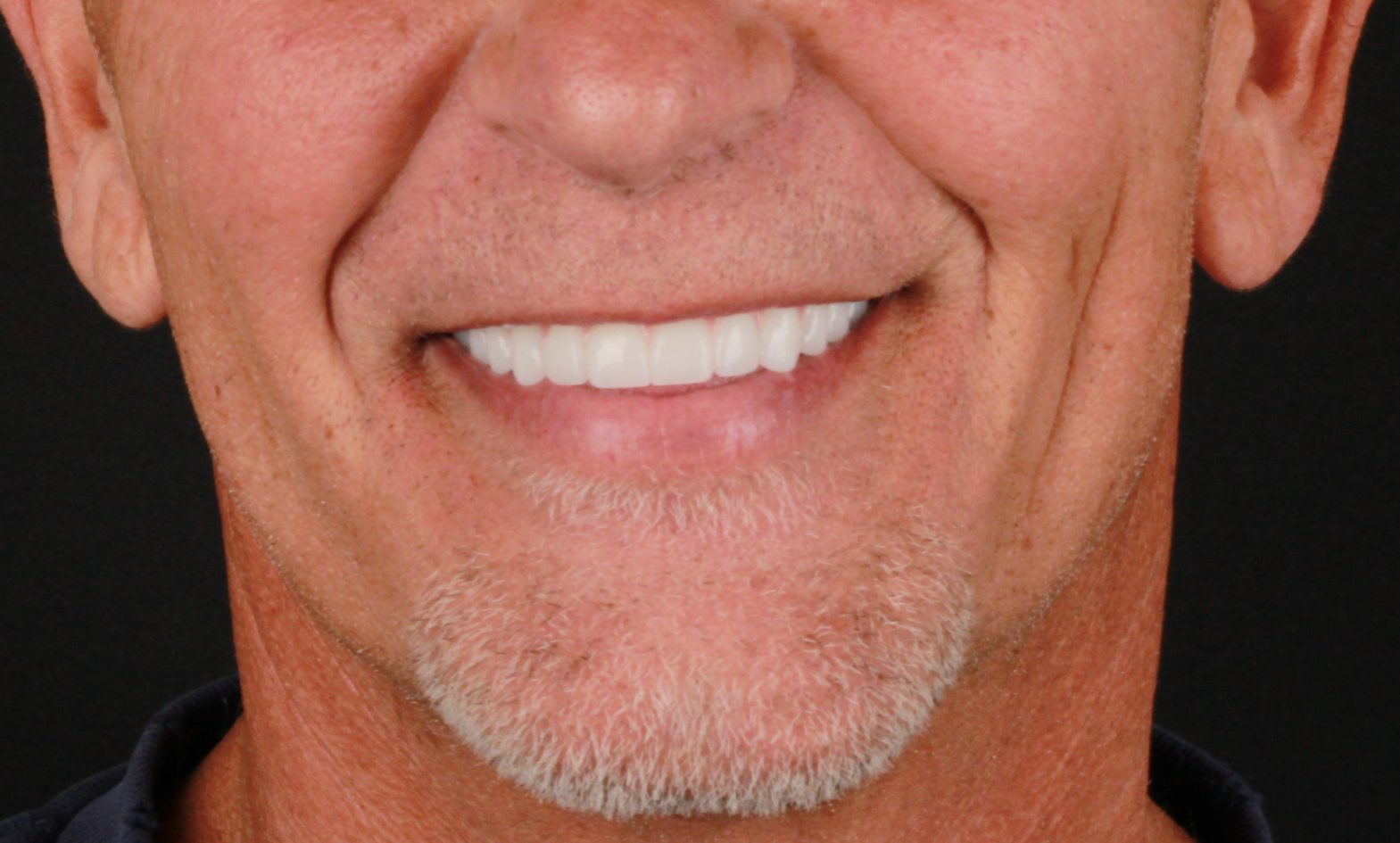
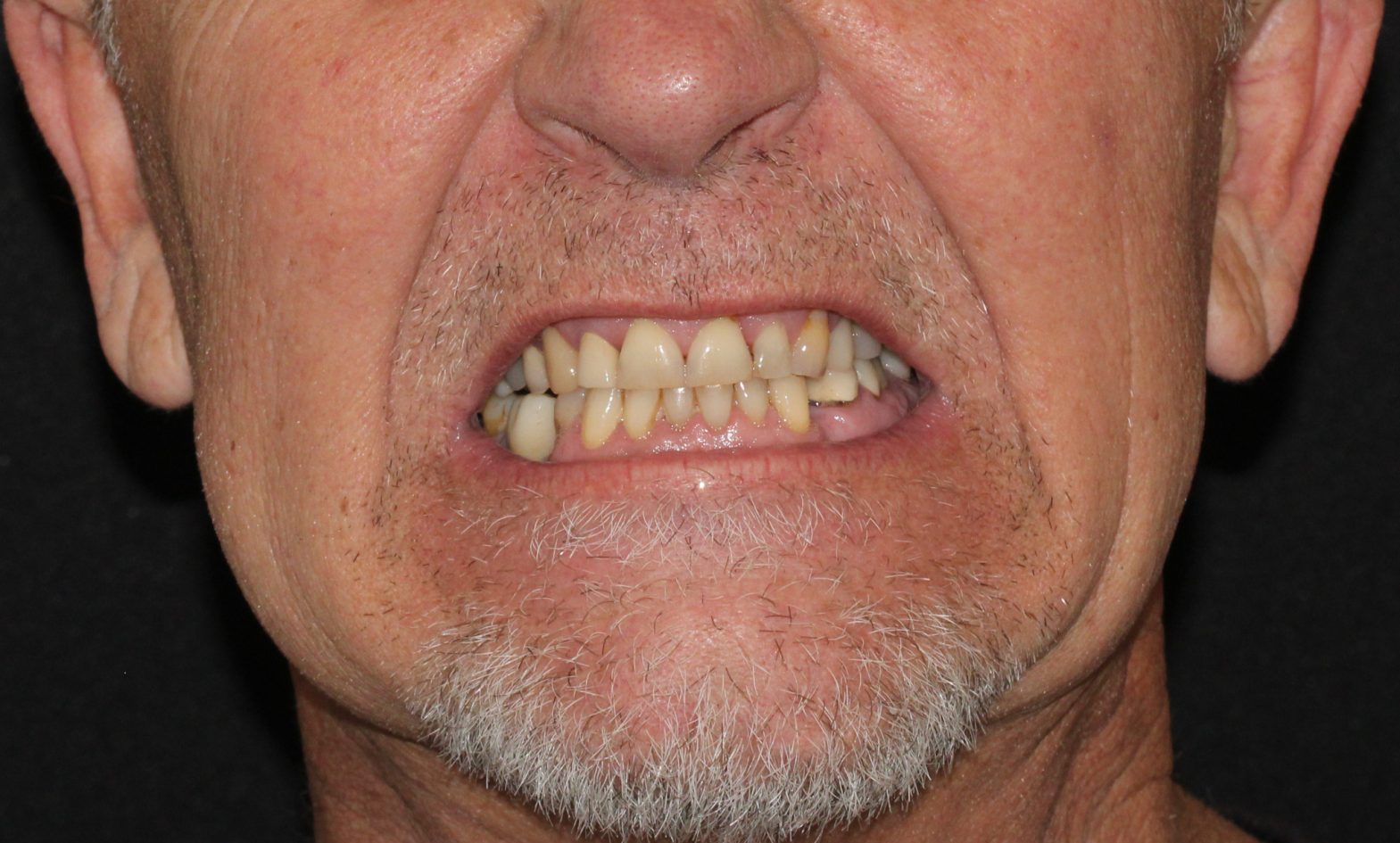
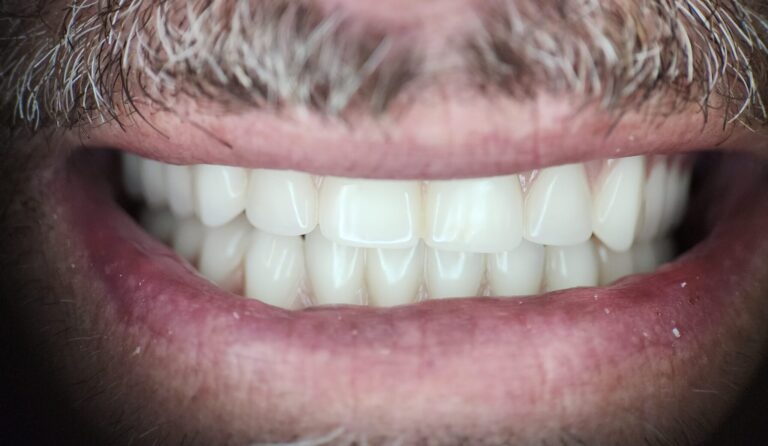
Patient photos shared with permission. Individual results vary.
Why Patients Choose SmileScience for Full Mouth Implants
Advanced technology, experienced team, all under one roof in Glendale
Fellowship-Trained Implant Dentist
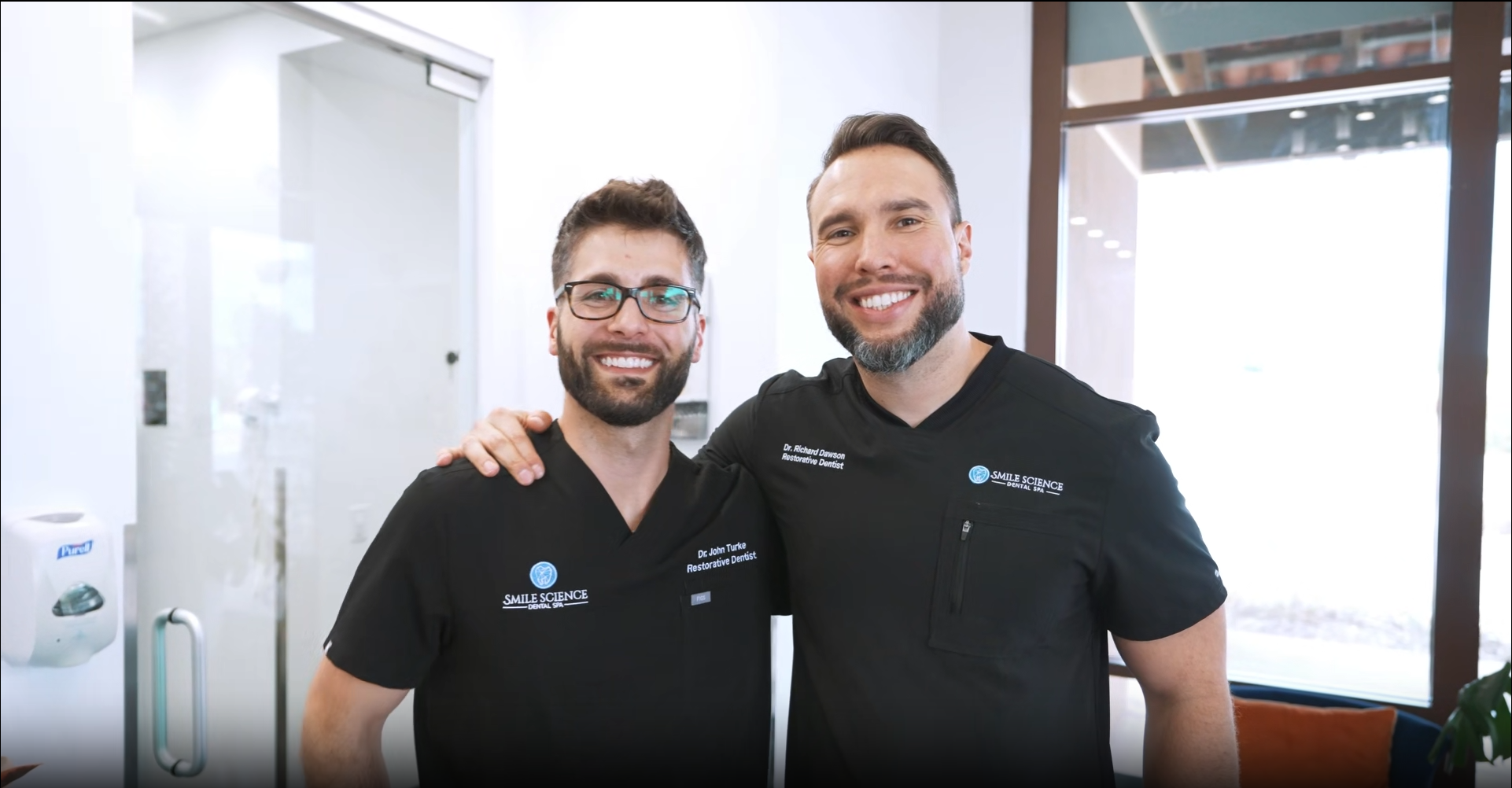
Dr. Richard Dawson, DMD holds Fellowship credentials from the International Congress of Oral Implantologists (ICOI) -- an advanced designation earned through demonstrated clinical competency in implant dentistry. As a general dentist with advanced implant training, he plans and delivers complex full-arch cases including same-day teeth and digitally guided surgery.
Multi-Doctor Implant Team
Dr. John Turke, DMD brings a complementary background in restorative and digital dentistry, with particular strength in digital workflows, intraoral scanning, and esthetic prosthetic delivery. Dr. Chris Barrett, DMD contributes extensive full-arch and zygomatic implant experience for the most complex bone loss cases. Coordination between doctors means no handoffs between offices -- your case stays with experts from scan to final bridge.
In-House CBCT 3D Imaging
Kavo OP 3D CBCT included free at every consultation -- high-resolution cone-beam imaging for precise surgical planning, no referral needed.
Digital Planning Software
Exocad, DTX Studio, and Blue Sky Bio let us virtually position each implant, design the prosthesis, and preview your smile digitally before surgery.
In-House Milling and Fabrication
PlanMeca 60S 5-axis mill, Ivoclar CS6 furnace, and SprintRay Pro 2S printer -- same-day provisional bridges and in-house zirconia, no outside lab wait.
Every Level of Sedation
Oral conscious sedation, IV sedation, or full general anesthesia with our board-certified dental anesthesiologist on site. Learn about sedation options.
Advanced Intraoral Scanning
Trios 5, iTero Lumina, and Emerald S scanners plus Micron Mapper photogrammetry -- no messy impression materials for final prosthetic work.
Spa-Grade Patient Comfort
Leather massage chairs, ceiling TVs, noise-canceling headphones, weighted blankets, and warm scented towels -- designed to feel nothing like a traditional dental clinic.
Am I a Candidate for Full Mouth Dental Implants?
Most patients are -- and many who were told "no" elsewhere can be helped with advanced techniques
Strong Indicators for Candidacy
- Missing all teeth in one or both arches (or will need all teeth removed)
- Wearing conventional dentures and wanting a fixed, permanent solution
- Failing teeth due to advanced decay, fracture, or severe gum disease
- Adequate bone volume, or willingness to undergo bone grafting
- Good general health without uncontrolled systemic conditions
- Non-smoker, or committed to cessation around the surgical period
- Willing to attend regular maintenance visits after treatment
Factors That Require Closer Evaluation
- Bone loss: Significant bone resorption after long-term denture use can often be addressed with grafting, sinus lifts, or advanced anchorage (zygomatic/pterygoid) implants.
- Uncontrolled diabetes: Poorly controlled blood sugar impairs healing. We work with your physician to optimize conditions before surgery.
- Active smoking or vaping: Significantly raises the risk of implant failure. We require patients to pause or quit around surgery and counsel on cessation support.
- Bisphosphonate medications: Certain bone medications affect healing. We review your medication list at consultation.
- Bruxism/clenching: Heavy grinders need a night guard protocol -- but are not automatically excluded from treatment.
Don't assume you're not a candidate
Many patients are told "no" by other offices because of bone loss or systemic health factors, only to find that SmileScience can offer a path forward with advanced techniques, staged therapy, or alternative anchorage. The only way to know is a thorough CBCT evaluation.
Book a Free Consultation (480) 530-3663Explore Related Implant Solutions
Full mouth treatment spans a spectrum -- find the option that fits your situation
Medical Review & Evidence
The patient education on this page is aligned with current peer-reviewed literature on full-arch implant therapy, prosthetic options, and immediate-load protocols. Key references:
- Maló P, de Araújo Nobre M, Lopes A, et al. All-on-4® immediate-function concept for completely edentulous maxillae: A longitudinal study with 10–18 years of follow-up. Clin Implant Dent Relat Res. 2019. PubMed
- Froimovici FO, et al. Fixed Full-Arch Implant-Supported Restorations: Options and Decision Factors. J Clin Med. 2024. Open Access
- Pjetursson BE, Heimisdottir K. Dental implants -- are they better than natural teeth? Eur J Oral Sci. 2018;126 Suppl 1:81–87. PubMed
- Araújo TG, et al. Long-term Implant Maintenance: A Systematic Review of Home and Professional Care. Clin Cosmet Investig Dent. 2024. Open Access
- American Academy of Implant Dentistry. Dental Implant Resources for Patients. AAID
*This content was reviewed by licensed dentists to ensure accuracy and alignment with current implant dentistry literature.
Frequently Asked Questions
All-on-4® is one specific protocol within the broader category of full mouth implant treatment. It uses exactly four implants per arch -- two straight in front, two tilted in the back -- to support a fixed full-arch bridge. "Full mouth dental implants" refers to any approach that replaces all teeth using implants, including All-on-4®, All-on-6, and individual implant crowns for every tooth. The right protocol depends on your bone volume, bite forces, and prosthetic goals -- which is determined through CBCT evaluation.
In many full-arch cases, yes. Same-day provisional bridges (often called "teeth in a day") are placed at the time of surgery when implant stability is sufficient for immediate loading. You leave the office with a complete, functional smile rather than going home without teeth. The temporary bridge is replaced with the final permanent prosthesis after osseointegration is confirmed at 4–6 months.
The full process typically takes 4–6 months from implant placement to final prosthetic delivery. This includes the osseointegration period, follow-up visits, and the time to fabricate your permanent bridge. In cases requiring bone grafting prior to implant placement, add-on healing time before surgery may extend the overall timeline. Your individualized plan will include a projected schedule.
Cost depends on the number of implants, prosthesis material, any bone grafting or extractions needed, and sedation level. At SmileScience, full-arch implant bundles start from $10,999 per arch for a PMMA hybrid bridge and from $14,999 per arch for a monolithic zirconia bridge. Both-arch full mouth treatment starts from $29,998 when both arches are treated. We offer flexible financing through multiple lenders and a detailed itemized treatment plan at your free consultation.
It depends on the approach. Full-arch bridge protocols (such as All-on-4® or All-on-6) use 4–8 implants per arch to support a fixed bridge spanning all teeth. Individual implant approaches use one implant per tooth -- 10–14 per arch for a full complement. Your CBCT scan determines which approach is anatomically appropriate for your bone and spacing, and we recommend the option that best matches your clinical situation and long-term goals.
Often yes. Significant bone loss is common in patients who have worn dentures for years, and it does not automatically disqualify you from implant treatment. Solutions include bone grafting to rebuild volume before implant placement, sinus lift procedures for upper jaw bone loss, or advanced anchorage options like zygomatic implants that bypass the jaw and anchor in the cheekbone. A CBCT scan is the only way to accurately assess your bone and determine which path is available to you.
Most dental insurance plans do not fully cover full-arch implant treatment, as it is often classified as elective. However, some plans contribute to extractions, imaging, sedation, or individual components. Our team verifies your benefits before your consultation and helps identify any coverage. We also offer financing options and an in-house dental membership plan for patients without insurance. See our financing page for details.
Yes. Modern implant prosthetics -- especially monolithic zirconia bridges and individual e.max crowns -- are fabricated to mimic the translucency, shade, and shape of natural teeth. At SmileScience, prosthetics are designed digitally and reviewed with patients for esthetic approval before final delivery. Our in-house milling capability gives us direct control over the final result, rather than relying on an outside lab for quality control.
Brush twice daily with a soft-bristle or sonic toothbrush. Use a water flosser to clean under the bridge where traditional floss cannot reach. Schedule professional maintenance visits every 3–6 months for hygiene, torque checks, and imaging. Wear a night guard if you clench or grind. Avoid chewing ice, pens, or very hard foods. With consistent care, implant fixtures can last decades -- and the prosthesis can be serviced or updated without replacing the implants.
Surgery is performed under your chosen level of sedation -- oral conscious sedation, IV sedation, or general anesthesia with our board-certified dental anesthesiologist. Most patients report that the surgery itself is comfortable and that they felt little or nothing during the procedure. Post-operative discomfort is typically manageable with prescribed medications and resolves within several days. Many patients are surprised by how smooth the recovery process is.
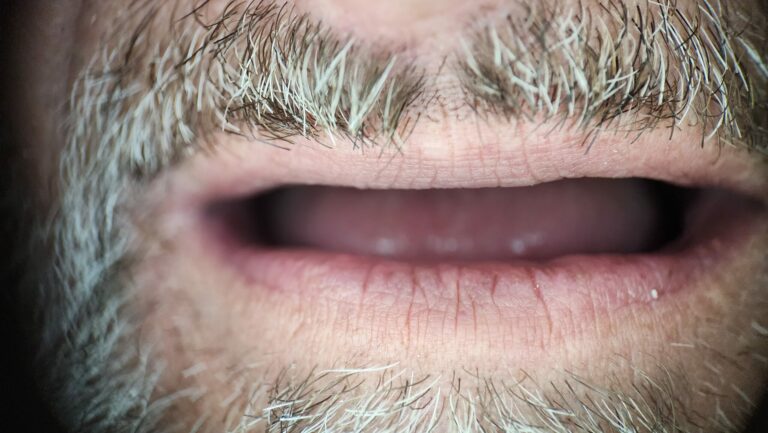
Real Patients. Real Results.
Smile transformations from our actual patients
What Our Patients Say
4.9 (437 reviews)
I recently had the pleasure of visiting Smile Science Dental Spa, and I couldn't be more impressed with the level of care and service provided by the entire team. Dr. Dawson and Dr. Turke are both incredibly skilled and made me feel completely at ease throughout my procedures. Their professionalism, combined with their gentle approach, made me feel comfortable and well-informed every step of the way. I was especially impressed that I was able to get a same-day crown(apparently their first ever!), which exceeded my expectations. I couldn’t believe how quick and seamless the process was. It really saved me time and made the experience even more convenient. Cindiray and Angeles, the dental assistants, were equally wonderful. They were not only friendly and attentive but also thorough in explaining everything and made sure I was relaxed during each phase of my visit. Lastly, a big thank you to Litzy at the front desk, who greeted me with a smile and helped with scheduling and any questions I had. She made the entire check-in process a breeze. From start to finish, my experience at Smile Science Dental Spa was exceptional. I'll be returning for sure. I highly, highly, highly recommend them for anyone looking for high-quality dental care.
View Full Review on GoogleDusty

Honestly I’ve never been so happy to go to the dentist. I came in (late due to Lyft) and was still taken care of and treated with care. Even without insurance (kicking in within the next month) prices for an extraction on my infected tooth were more than reasonable. I was able to get more than expected done in the same visit. Dr. Dawson and his team made me feel so comfortable and taken care of. Won’t go anywhere else.
View Full Review on GoogleCherish B

I recently started as a patient after leaving our long-time family Dentist and couldn’t be happier! Marcela is AMAZING and a FANTASTIC hygienist!!!! 😃 Dr Dawson is great too! Every time I visit, they make me feel like family.
View Full Review on GoogleTJ Winzeler

Myself and my family had previously gone to Dr. Turk at another dental office that he worked at. He had relocated and we did not know where he had gone to until this week. Today I got in with Dr. Turk and he took the time to look at my x-rays carefully . I was having pain from a tooth and some other issues. The previous Dentist I went to that I saw just a few days earlier, he did not find any issues with my tooth which I had pain in. Dr. Turk identified infection and referred me to an endodontist. He is very gentle as a wonderful disposition and my self and my family are thrilled to be able to get back with him. The office is lovely, relaxing music, heat and massage chair.I have always been very nervous and some anxiety going to dentist as I have had bad reactions with the anesthesia. I am confident that Dr. Kirk will help me get through my next appointment just fine. “The staff are very kind and attentive. I am looking forward as I have quite a bit of work to be done, and I know I’m in good hands with Dr. Turk and his staff. Five stars!⭐️ Sherry
View Full Review on GoogleSherry Redmond

I recently moved to Arizona and had an issue with a tooth repair from 15 years back. Not knowing anyone here in my new home, I searched dentists close to me. I chose Smile Science much like pinning the tail on the donkey and my selection couldn't have been better! What a terrific staff! Dr. Turke was concerned the tooth would need to be extracted, but said he wanted to take a shot at saving it..and that's just what he did! After setting a temporary crown, I was on my way with an appointment to install the permanent crown in the following two weeks. That evening I received a call I've never received from a dentist. Dr. Turke had taken the time to follow up with me to make sure I wasn't in any discomfort..I was completely caught off guard by this kind of attention to detail and caring for my well being. The permanent crown is now in place, it fits and feels fantastic, the job and treatment are first class! Thank you, Dr. Turke and staff for taking in this stray and giving me a home dentist! I'd like to say that I'm just good at selecting blindly, but the truth is I am very lucky..and I'll take lucky over being good any day of the week! Thank you, again and Happiest of New Year's in 2026, Science Smile!!
View Full Review on GoogleEddy

Ready to Replace Every Tooth with Permanent Implants?
Full mouth dental implants are the most complete, lasting solution for patients with significant tooth loss or a failing dentition. At SmileScience Dental Spa in Glendale, AZ, every case starts with a free consultation that includes same-day CBCT imaging, digital treatment planning, and a clear, itemized plan.